

RAG Foundation: A Waste of Coal Money
Translated from German, summarized and contextualized by DistantNews.
TLDR
- The RAG Foundation, responsible for covering post-mining costs, is accused by the Federal Court of Auditors of wasting money.
- This mismanagement could lead to significant financial burdens for the public.
- The article touches upon the history of coal mining in Germany and its role in the country's economic development.
The RAG Foundation, established to manage the long-term financial consequences of Germany's coal mining era, finds itself under intense scrutiny from the Federal Court of Auditors (Bundesrechnungshof).
The auditors' report alleges that the foundation is squandering funds, a serious accusation given its critical role in ensuring that the liabilities stemming from decades of coal extraction are adequately covered. This mismanagement raises concerns that the financial burden may ultimately fall upon the public purse, a prospect that is particularly unwelcome in the current economic climate.
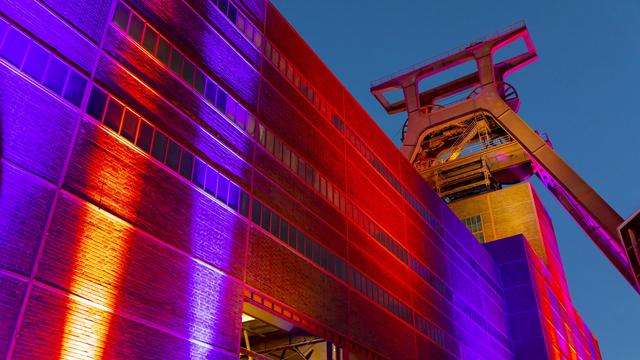
Historically, coal mining was the backbone of Germany's industrial might, powering the post-war economic miracle. However, as the industry became less profitable, it was phased out, with the last German hard coal mine closing in 2018. The RAG Foundation was created to ensure that the environmental and financial legacies of this era, such as mine flooding and land subsidence, are properly addressed without burdening future generations.
The auditors' findings suggest a potential failure in fulfilling this crucial mandate. The implication is that funds intended for remediation and long-term care are being mismanaged, potentially jeopardizing the very purpose for which the foundation was created. This situation is not just a matter of financial oversight; it touches upon intergenerational equity and the responsible management of historical industrial impacts.
DistantNews Editorial
Originally published by Die Zeit in German. Translated, summarized, and contextualized by our editorial team with added local perspective. Read our editorial standards.
More Stories



From Our Blog

What Gets Lost (and Found) When News Is Translated

How the Same Story Looks Different in Different Countries

The Critical Role of Diaspora Media in Global News

What Travellers Should Know About Countries with Restricted Press

A Digital Nomad's Guide to Following Local News
