


Record Heat Scorches Globe: Seas Warm, Europe Endures Heatwaves, Wildfires Rage
Translated from Polish, summarized and contextualized by DistantNews.
At a glance
News
Named sources
Context piece
- July 2026 set a new record for the average global sea surface temperature at 20.96 degrees Celsius, surpassing the previous record from July 2023.
- Europe experienced unprecedented heatwaves, with temperatures 2.79 degrees Celsius above normal for the first two months of summer, leading to energy infrastructure issues.
- The extreme heat and lack of rain have fueled wildfires across the EU, with scientists warning of an increased risk of "mega-fires" due to climate change.
July 2026 has broken records for global sea surface temperatures and European heatwaves, signaling a critical escalation in climate change impacts. The Copernicus Climate Change Service reported that the average temperature of global sea surfaces, excluding polar regions, reached 20.96 degrees Celsius in July, exceeding the previous record of 20.89 degrees Celsius set in July 2023.
Exceptionally strong heatwaves affected areas including the Atlantic coasts and the western Mediterranean. In the Mediterranean, the average surface temperature hit 27.07 degrees Celsius in July, also a record for the region and surpassing the prior 2025 record of 26.68 degrees Celsius. Meanwhile, global air temperatures near the surface in July 2026 were only 0.01 degrees Celsius lower than the record July 2024, making it the second-hottest July on record.
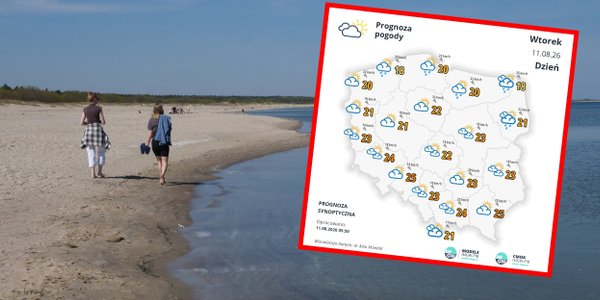
Europe is enduring an unprecedented heat surge, with the first two summer months being 2.79 degrees Celsius warmer than average, breaking a four-year-old record. Countries like Austria and Slovakia have recorded their highest temperatures ever. Persistent high-pressure systems have trapped heat over the continent, exacerbating a severe drought. This has impacted critical infrastructure, with two power plants in Poland forced to reduce operations due to water shortages. Hungary's sole nuclear power plant, Paks, was shut down for the first time in its 44-year history.
Preliminary estimates suggest that June's heatwaves cost grain farmers approximately 2 billion euros due to crop damage. Experts warn that these short-term losses are only the tip of the iceberg, as prolonged "mega-droughts" can have cascading effects on industry and construction for years. Traditional analysis methods may underestimate the scale of these losses. Furthermore, high temperatures, lack of rainfall, and strong winds have created ideal conditions for wildfires. Since the beginning of the year, around half a million hectares have burned across the EU, with smoke plumes degrading air quality. Scientists like Professor Víctor Resco de Dios from the University of Lleida warn that climate change favors the emergence of "mega-fires."
średnia temperatura powierzchni globalnych mórz i oceanów (poza regionami polarnymi) osiągnęła w lipcu 20,96 st. C. Pobiła tym samym dotychczasowy rekord dla tego miesiąca, który padł w 2023 r. i wynosił 20,89 st. C.
DistantNews Editorial
Originally published by Rzeczpospolita in Polish. Translated, summarized, and contextualized by our editorial team with added local perspective. Read our editorial standards.
More Stories


From Our Blog

What Gets Lost (and Found) When News Is Translated

The Critical Role of Diaspora Media in Global News

What Travellers Should Know About Countries with Restricted Press

A Digital Nomad's Guide to Following Local News

How the Same Story Looks Different in Different Countries
