


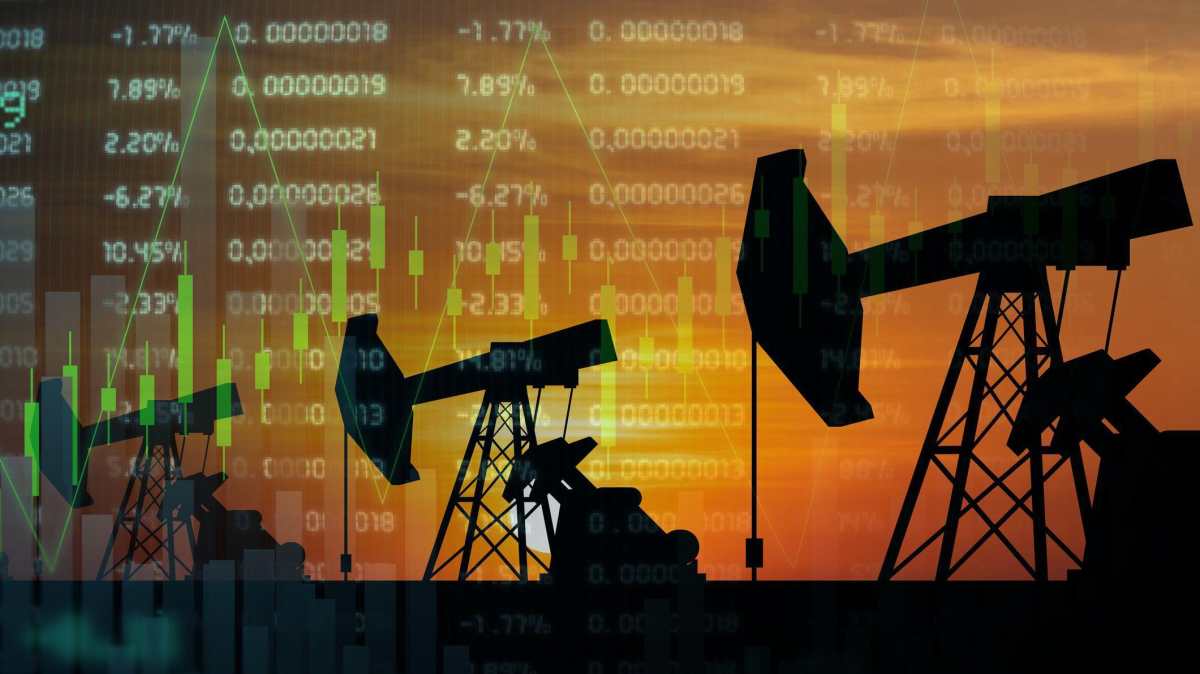
Record Oil Prices Unleash Chain Reaction Affecting Daily Life
Translated from Spanish, summarized and contextualized by DistantNews.
TLDR
- Record-high oil prices are triggering a chain reaction that impacts the global economy and daily life.
- Rising crude prices, driven by supply concerns and geopolitical tensions, affect not only fuel but also food, transportation, and manufactured goods.
- Experts warn of a domino effect, leading to increased inflation and higher costs across various sectors, potentially prompting de-escalation efforts.
The global economy is once again feeling the tremors of volatile oil prices, with recent surges creating a ripple effect that touches nearly every aspect of our lives. As reported by Axios and analyzed by experts, the current spike in crude oil prices, particularly Brent crude nearing $126 per barrel before settling around $116, is not an isolated event but the start of a complex chain reaction. This phenomenon underscores the profound interconnectedness of the global energy market and its direct influence on everything from our wallets to the availability of goods.
The increase in the price of oil 'has a domino effect not only on crude oil, but also on oil-related products, inflation, and basically all aspects of our daily lives.'
Prensa Libre, from its vantage point in Guatemala, understands that such fluctuations in international markets have immediate and tangible consequences for our citizens. The increase in oil prices directly translates to higher costs for gasoline and diesel at the pump, impacting daily commutes and the logistics of businesses. But the effect doesn't stop there. As analyst Naveen Das points out, the 'domino effect' extends to petroleum derivatives, making fertilizers more expensive – a critical factor for our agricultural sector – and increasing the costs of plastics, packaging, and air travel.
It is possible that we will begin to see more headlines about attempts to de-escalate the situation.
The geopolitical undercurrents, including stalled peace efforts and the situation in the Strait of Hormuz, are significant drivers of this price instability. While the article mentions potential US Central Command plans for targeted strikes, the immediate reality for consumers is the rising cost of living. Governments worldwide are warning households about escalating energy bills, food prices, and airfares. This situation highlights a vulnerability in our economies, heavily reliant on global energy flows. The challenge lies in mitigating these impacts locally, supporting vulnerable populations, and perhaps accelerating transitions to more stable energy sources, while navigating the complex international dynamics that dictate these price swings.
The increase in the price of oil forces up the prices of food, because it increases the cost of fertilizers and transportation.
DistantNews Editorial
Originally published by Prensa Libre in Spanish. Translated, summarized, and contextualized by our editorial team with added local perspective. Read our editorial standards.
More Stories



From Our Blog

What Gets Lost (and Found) When News Is Translated

The Critical Role of Diaspora Media in Global News

What Travellers Should Know About Countries with Restricted Press

A Digital Nomad's Guide to Following Local News

How the Same Story Looks Different in Different Countries
