


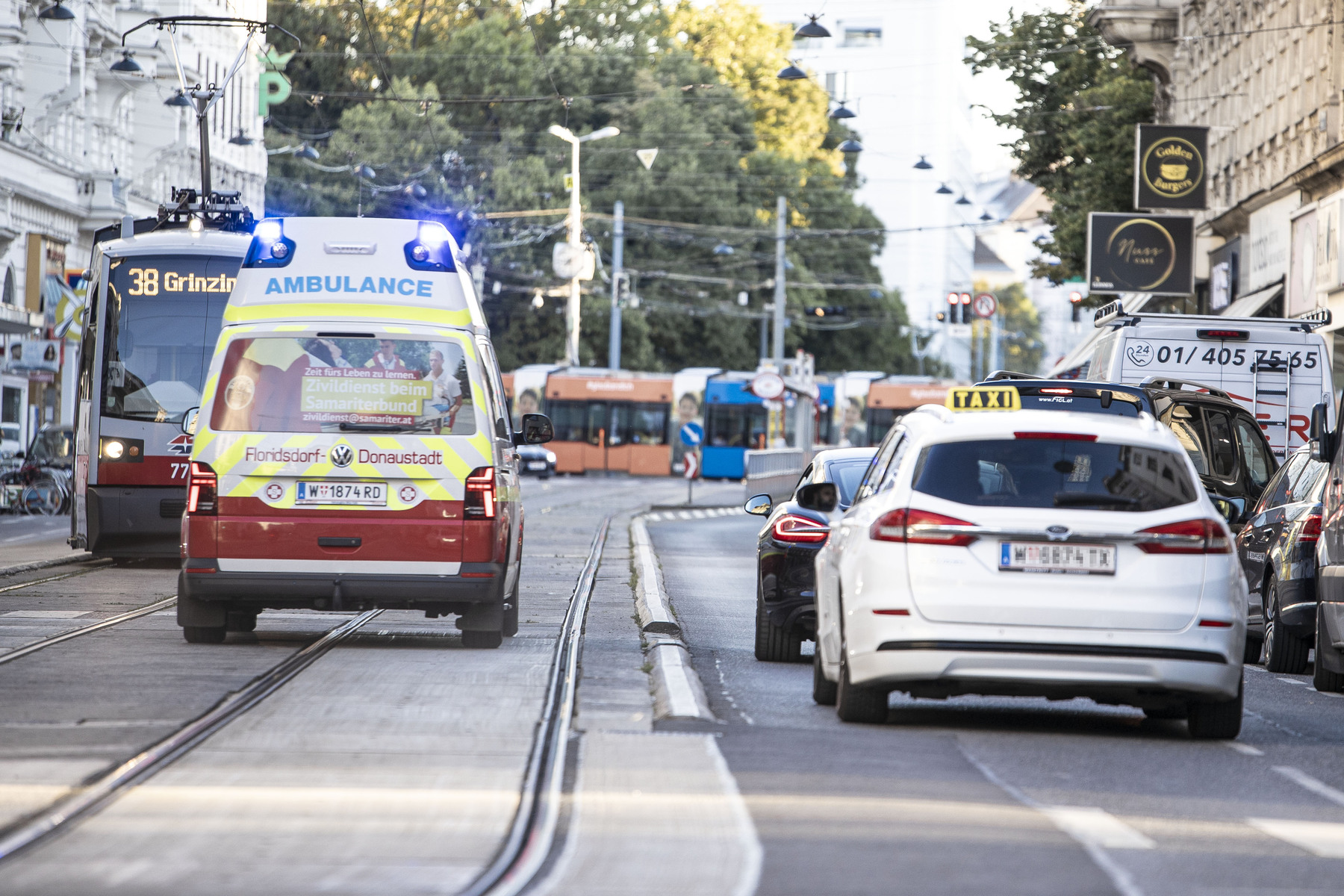
Rescue reform stalls – despite much potential
Translated from German, summarized and contextualized by DistantNews.
TLDR
- Austria is working on a "new paramedic law" to modernize and professionalize emergency medical services while retaining the volunteer system.
- Challenges exist in aligning training durations and competencies across different organizations and federal states.
- A longer, more intensive training could lead to greater on-site decision-making capabilities for paramedics, potentially saving significant costs.
Die Presse reports on the stalled progress of a crucial reform for Austria's emergency medical services, despite the acknowledged potential for significant improvements. The government program mentions a "new paramedic law" aimed at modernization and professionalization, but concrete steps are hampered by ongoing coordination talks.
Es wird aktuell daran gearbeitet, denn es ist ein wichtiges Gesetz für uns. Derzeit laufen Abstimmungsgespräche.
A key sticking point is the duration and structure of paramedic training. While Austria's current training is shorter than in many other European countries, with over 80% of paramedics qualifying at the lowest level (260 training hours), concerns are rising. Some federal states, heavily reliant on volunteers, fear that a "professionalization push" with longer training could make the service unattractive to volunteers, exacerbating personnel shortages.
Was die Ausbildungsdauer angeht, gibt es nämlich erhebliche Abstimmungsprobleme – nicht unbedingt auf politischer Ebene, sondern zum einen zwischen den verschiedenen Rettungsorganisationen, zum anderen zwischen den einzelnen Bundesländern.
Conversely, proponents argue that extended training would empower paramedics with greater decision-making authority, thereby relieving pressure on the broader healthcare system. The idea is that better-trained paramedics could more confidently assess situations, potentially avoiding unnecessary hospital transports and reducing healthcare costs. Green party health spokesperson Ralph Schallmeiner estimates a potential annual savings of 800 million euros, with training expansion costs at 19 million euros, highlighting the significant economic argument for reform. The debate thus centers on balancing the need for professionalization with the preservation of the vital volunteer system and ensuring adequate training standards across the nation.
Was die Ausbildungsdauer angeht, gibt es nämlich erhebliche Abstimmungsprobleme – nicht unbedingt auf politischer Ebene, sondern zum einen zwischen den verschiedenen Rettungsorganisationen, zum anderen zwischen den einzelnen Bundesländern.
DistantNews Editorial
Originally published by Die Presse in German. Translated, summarized, and contextualized by our editorial team with added local perspective. Read our editorial standards.
More Stories



From Our Blog

What Gets Lost (and Found) When News Is Translated

The Critical Role of Diaspora Media in Global News

What Travellers Should Know About Countries with Restricted Press

A Digital Nomad's Guide to Following Local News

How the Same Story Looks Different in Different Countries
