


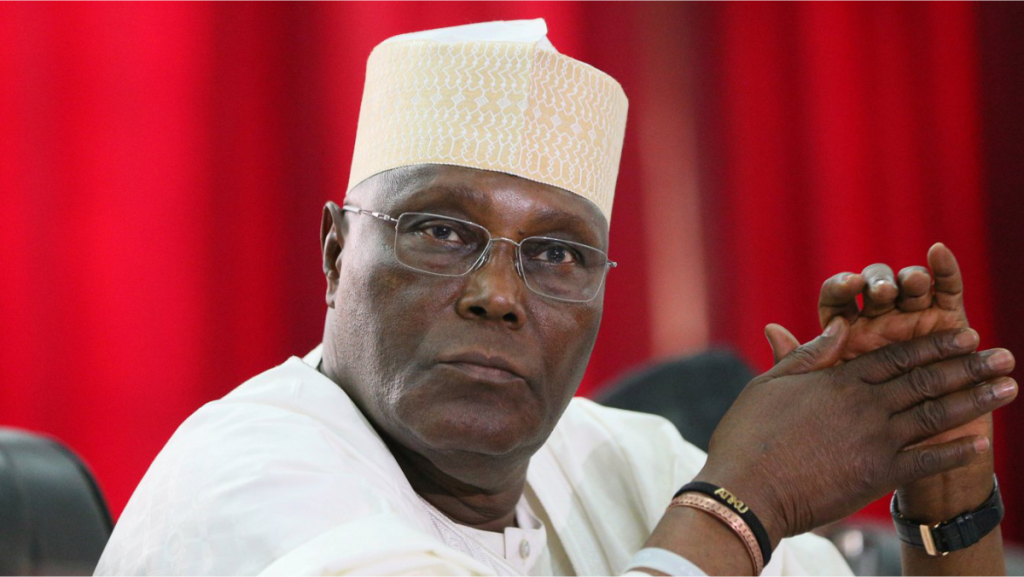
Rice Palliative: Nigerians Are Not Beggars - Atiku Slams Remi Tinubu
Translated from English, summarized and contextualized by DistantNews.
TLDR
- Former Nigerian Vice President Atiku Abubakar criticizes President Tinubu's administration for distributing food palliatives.
- Abubakar alleges the gesture is political manipulation and a normalization of poverty, not genuine compassion.
- He argues that the North needs sustainable food security policies, not 'campaign lunch packs.'
From the perspective of Nigeria's Vanguard newspaper, the recent exchange between former Vice President Atiku Abubakar and the presidency over food palliatives highlights a deep-seated political divide and a starkly different understanding of governance. Abubakar's condemnation of First Lady Oluremi Tinubu's distribution of rice and palliatives to northern states is framed not just as a critique of policy, but as an indictment of the Tinubu administration's approach to poverty and governance.
What Nigerians are witnessing today is the tragic normalization of poverty under the administration of President Bola Tinubu.
Vanguard, reflecting a common sentiment among opposition figures and a segment of the populace, presents Abubakar's argument that these handouts are mere 'political manipulation dressed as compassion' and a cynical attempt to 'politicize hunger.' The narrative emphasizes the accusation that the government is prioritizing optics over substantive solutions, offering 'campaign lunch packs' instead of addressing the 'structural causes' of the economic crisis. This framing taps into widespread frustration over rising inflation and insecurity, suggesting that the administration is exploiting the suffering of Nigerians for political gain.
What the North truly needs is genuine, sustainable food security policies — not campaign lunch packs wrapped in party insignia.
The article underscores the Nigerian context where such palliative measures often become politicized, especially in the lead-up to or during periods of economic hardship. Abubakar's reference to a similar exercise by Seyi Tinubu during Ramadan last year further solidifies the narrative of an 'entrenched strategy.' From this viewpoint, the distribution is not seen as a benevolent act but as a calculated move to curry favor, particularly in the North, a region grappling with significant challenges. The core message conveyed is that Nigerians are not beggars and deserve genuine economic policies, not symbolic gestures that mask deepening deprivation.
It is even more troubling that this pattern did not begin today. During Ramadan last year, the President’s son, Seyi Tinubu, embarked on a widely publicised distribution of food items across parts of the North — an exercise presented as charity but clearly designed to test the waters of this now entrenched strategy of politicising hunger.
DistantNews Editorial
Originally published by Vanguard in English. Translated, summarized, and contextualized by our editorial team with added local perspective. Read our editorial standards.
More Stories


From Our Blog

How the Same Story Looks Different in Different Countries

What Gets Lost (and Found) When News Is Translated

The Critical Role of Diaspora Media in Global News

What Travellers Should Know About Countries with Restricted Press

A Digital Nomad's Guide to Following Local News
