


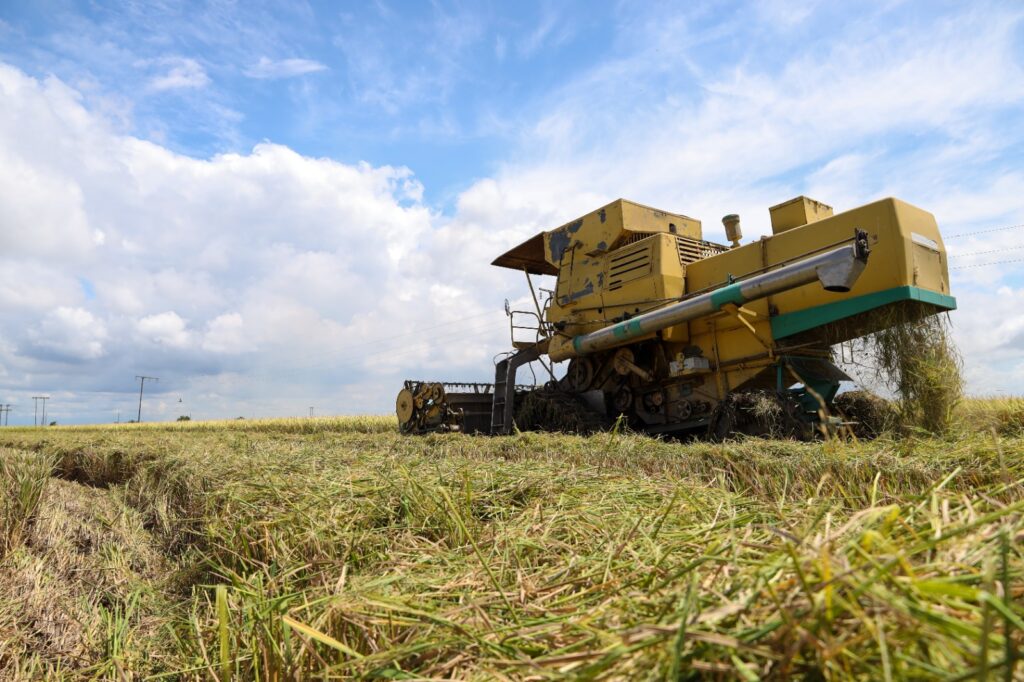
Rising Costs Force Malaysian Farmers to Consider Switching Crops
Translated from Malay, summarized and contextualized by DistantNews.
TLDR
- Malaysian paddy farmers are considering switching to oil palm cultivation due to rising operational costs, particularly diesel prices.
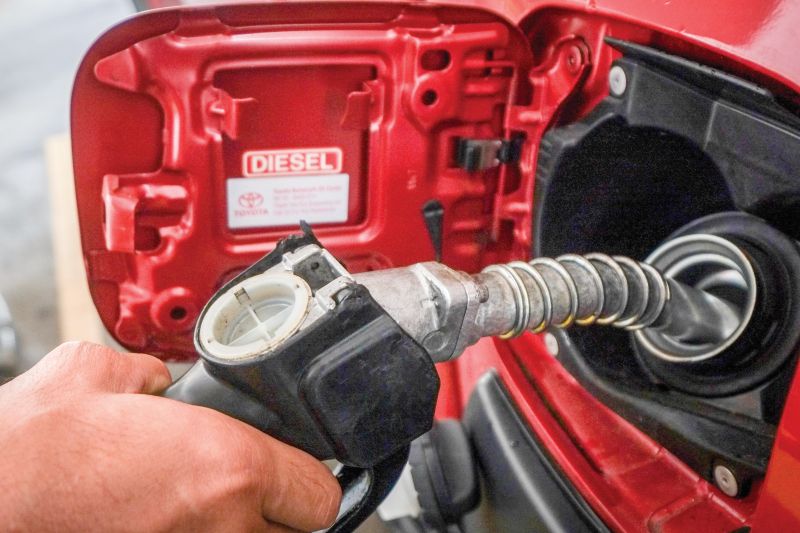
- The increase in diesel prices, linked to the West Asian crisis, has forced machinery operators to raise their service fees, squeezing farmers' profit margins.
- This shift raises concerns about the sustainability of national padi production and food security.
The backbone of Malaysia's agriculture, our dedicated paddy farmers, are facing unprecedented financial strain. Escalating operational costs, directly exacerbated by the recent surge in diesel prices stemming from the West Asian crisis, are pushing many to the brink. This difficult situation is forcing a reconsideration of traditional farming practices, with a growing number of farmers contemplating a move towards oil palm cultivation.
Hafizul Hamdan, a machinery operator and farmer from Perak, articulated the harsh reality: the increased cost of diesel has created a ripple effect throughout the entire padi production chain. Machinery operators, unable to absorb the rising fuel expenses, are compelled to increase their service charges. He lamented that without these increases, operators themselves would face significant losses, highlighting the precarious balance of the industry.
The implications of this potential shift are profound for Malaysia's food security. While oil palm offers a potentially more stable income stream for some, a widespread move away from padi cultivation could jeopardize the nation's self-sufficiency in rice production. This situation demands urgent attention and strategic solutions to support our farmers and safeguard our agricultural future.
If the price is not increased, we machinery operators will be the ones to bear the losses. Previously, a barrel of diesel cost RM43, but now...
DistantNews Editorial
Originally published by Utusan Malaysia in Malay. Translated, summarized, and contextualized by our editorial team with added local perspective. Read our editorial standards.
More Stories

From Our Blog

What Gets Lost (and Found) When News Is Translated

The Critical Role of Diaspora Media in Global News

What Travellers Should Know About Countries with Restricted Press

A Digital Nomad's Guide to Following Local News

How the Same Story Looks Different in Different Countries
