

Russia Faces Missile Shortage for Air Defense Against Drones, Claims Ukraine Commander
Translated from Romanian, summarized and contextualized by DistantNews.
TLDR
- Ukraine's Commander-in-Chief claims Russia faces a shortage of anti-aircraft missiles needed to counter drone attacks.
- This shortage reportedly stems from systematic strikes on Russian production facilities and the rapid consumption of sophisticated munitions against cheaper threats.
- The situation mirrors challenges faced by Western militaries dealing with the widespread use of drones.
From Kyiv, the Ukrainian military leadership asserts that Russia is grappling with a significant deficit in the anti-aircraft missiles essential for combating the relentless drone assaults. This assessment, shared by Commander-in-Chief Oleksandr Syrskyi, suggests that Moscow's air defense capabilities are being severely strained, facing challenges akin to those confronting Western forces in the evolving landscape of aerial warfare.
According to Syrskyi, Russia's own production facilities have been subjected to systematic strikes, degrading its ability to replenish its arsenal. This, coupled with the high tempo of Ukrainian long-range strikes targeting military and energy infrastructure, is forcing Russia into a difficult calculus: expending costly, sophisticated interceptors to neutralize cheaper, more numerous drone threats. This dynamic is a critical vulnerability that Ukraine intends to continue exploiting.
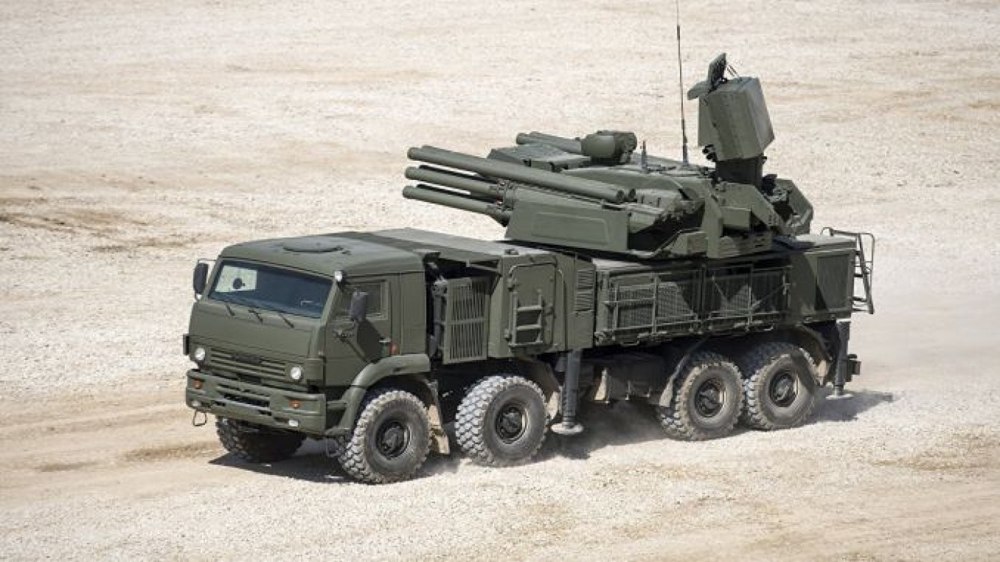
The Institute for the Study of War corroborates this view, noting that Ukraine's operations are increasing in pace and effectiveness, likely capitalizing on the vastness of Russian air defense coverage and the constant pressure it endures. While Russia primarily relies on systems like the Pantsir for drone defense, the production rate of its interceptor missiles lags behind the manufacturing of drones themselves. This disparity is further exacerbated by reports from Russian military commentators warning of mounting pressure on ammunition reserves, a concern echoed in Western analyses that highlight the unsustainable consumption rate of anti-aircraft interceptors compared to production capacity. This strategic challenge of balancing cost, efficiency, and industrial output is a defining feature of modern conflict, impacting all belligerents.
systematic strikes on production facilities in Russia contribute to the degradation of the adversary's air defense capabilities, already affected by a shortage of missiles capable of intercepting drones and other Ukrainian attack systems.
DistantNews Editorial
Originally published by Adevărul in Romanian. Translated, summarized, and contextualized by our editorial team with added local perspective. Read our editorial standards.
More Stories

From Our Blog

What Gets Lost (and Found) When News Is Translated

The Critical Role of Diaspora Media in Global News

What Travellers Should Know About Countries with Restricted Press

A Digital Nomad's Guide to Following Local News

How the Same Story Looks Different in Different Countries
