

Saudi Ministry of Islamic Affairs Directs Against Preceding Imam in Funeral Prayers
Translated from Arabic, summarized and contextualized by DistantNews.
TLDR
- Saudi Arabia's Ministry of Islamic Affairs has issued a directive preventing individuals from leading funeral prayers ahead of the designated Imam.
- The directive aims to ensure adherence to Islamic tradition and prevent disruptions in mosques.
- It clarifies that only the appointed Imam has the authority to lead funeral prayers, citing religious rulings and traditions.
The Ministry of Islamic Affairs, Call and Guidance in Saudi Arabia has taken a firm stance to uphold the sanctity and order of religious practices within mosques. A recent directive explicitly prohibits individuals from preceding the official Imam in leading funeral prayers, emphasizing the importance of congregational prayer and adherence to established religious protocols.
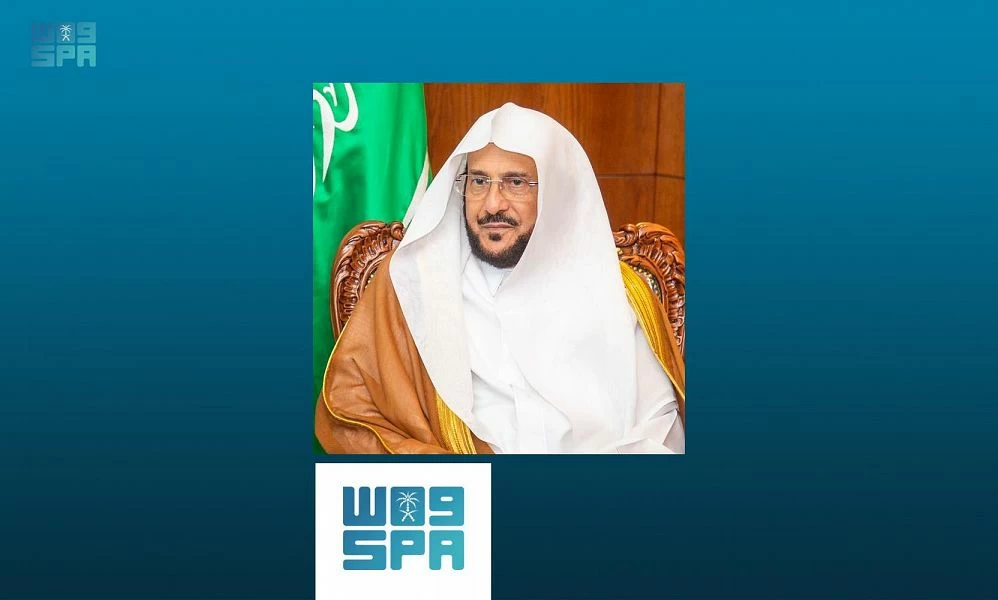
The Minister of Islamic Affairs, Call and Guidance, Sheikh Dr. Abdullatif bin Abdulaziz Al Al-Sheikh, directed the imams and muezzins of mosques where funeral prayers are held not to precede the Imam in offering the funeral prayer, and to remind worshippers to adhere to the Sunnah and pray with the congregation in the prescribed manner.
This measure addresses observed instances where individuals, often relatives of the deceased, have taken it upon themselves to lead funeral prayers without waiting for the designated Imam. The Ministry highlights that such actions can lead to confusion, disruption, and even complaints from mosque attendees and funeral service providers, undermining the solemnity of the occasion.
The Ministry of Islamic Affairs observed individuals in some mosques initiating funeral prayers after the deceased had been prepared, without waiting for the official congregational prayer, and some relatives of the deceased preceding the Imam.
By reinforcing the Imam's sole authority in leading funeral prayers, the Ministry seeks to ensure that all prayers are conducted in accordance with the Sunnah and established Islamic jurisprudence. This directive is grounded in fatwas from the Permanent Committee for Scholarly Research and Ifta and supported by prophetic traditions, underscoring the Kingdom's commitment to maintaining religious order and preventing practices that deviate from accepted norms.
It is not permissible to transgress upon his authority, as the authority belongs to the appointed Imam.
DistantNews Editorial
Originally published by Okaz in Arabic. Translated, summarized, and contextualized by our editorial team with added local perspective. Read our editorial standards.
More Stories


From Our Blog

What Gets Lost (and Found) When News Is Translated

The Critical Role of Diaspora Media in Global News

What Travellers Should Know About Countries with Restricted Press

A Digital Nomad's Guide to Following Local News

How the Same Story Looks Different in Different Countries
