

Syria's Kurds Register for Citizenship After Decades of Marginalization
Translated from English, summarized and contextualized by DistantNews.
TLDR
- Syria's Kurdish minority is registering for citizenship following a presidential decree aimed at ending decades of marginalization.
- The decree, issued by President Ahmed al-Sharaa, grants citizenship to unregistered Kurds and recognizes Kurdish language rights.
- This move follows recent agreements integrating Kurdish administration into the central Syrian government and appointing Kurdish figures to key positions.
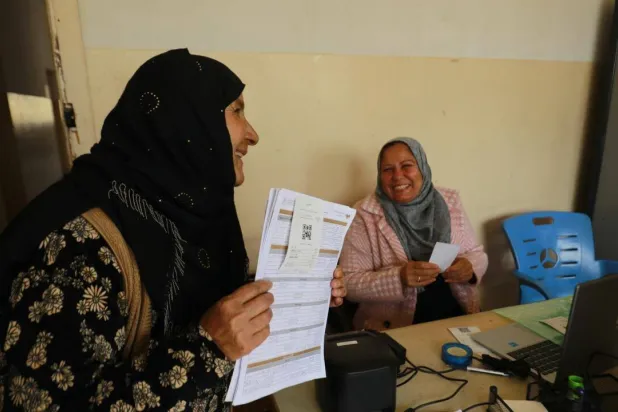
In a landmark development for Syria's Kurdish population, the government has initiated a process for granting citizenship to tens of thousands of unregistered Kurds, effectively ending decades of statelessness and marginalization. The move, spurred by a recent decree from President Ahmed al-Sharaa, represents a significant step towards national reconciliation and inclusivity within Syria.
A person without citizenship is considered as good as dead. Imagine not being able to register my children or our homes in our names. My grandfather never had citizenship, and we have been living without official documents ever since.
For many Kurds, particularly those in the northeastern Hasakeh province who were stripped of their nationality in a controversial 1962 census, this is a moment of profound relief and hope. Individuals like Firas Ahmad, who has lived without official documents his entire life, express the deep emotional and practical impact of statelessness. The inability to register children, own property, or even travel freely has been a harsh reality for generations, making the prospect of official recognition a life-altering event.
We suffered greatly. My five children could not complete their education, and we could not travel at all. Even now, our house is not registered in our name.
The decree not only addresses the citizenship issue but also enshrines cultural and language rights, recognizing Kurdish as a national language. This is a crucial acknowledgment of the Kurdish identity within Syria, a move that comes after a period of complex negotiations and security arrangements between Kurdish forces and the Syrian government. The integration of Kurdish administrations and the appointment of Kurdish military leaders to government posts signal a new era of cooperation and shared governance.
There are around 150,000 unregistered people in Syria today.
While the registration process is underway, organizations like the Network of Statelessness Victims are calling for flexibility and continued support from authorities. Ensuring that all eligible individuals, including those living abroad or facing travel challenges, can access citizenship is paramount. This initiative, though recent, holds the potential to reshape the social fabric of Syria, fostering a more unified and equitable society where all citizens, regardless of ethnicity, are recognized and valued.
flexibility in implementing the decision and to provide facilities for residents outside Syria
DistantNews Editorial
Originally published by Asharq Al-Awsat in English. Translated, summarized, and contextualized by our editorial team with added local perspective. Read our editorial standards.
More Stories

From Our Blog

What Gets Lost (and Found) When News Is Translated

The Critical Role of Diaspora Media in Global News

What Travellers Should Know About Countries with Restricted Press

A Digital Nomad's Guide to Following Local News

How the Same Story Looks Different in Different Countries
