


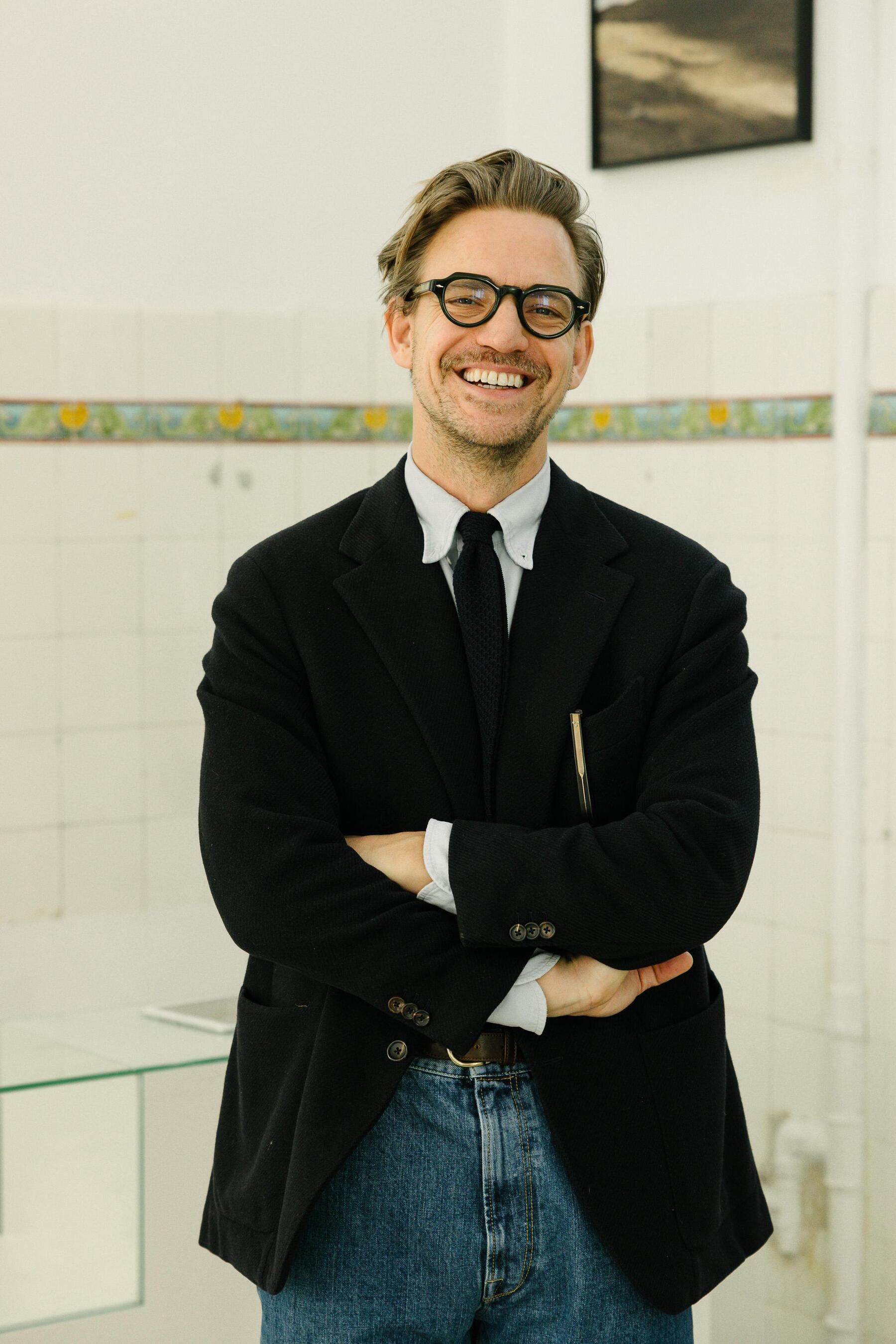
Sebastian Tigges: "I believe many parents separate too early"
Translated from German, summarized and contextualized by DistantNews.
At a glance
In-depth
Sources not specified
Context piece
- German "Walking Dad" influencer Sebastian Tigges advocates for active fatherhood and equal co-parenting post-separation.
- Tigges, a former lawyer, shares his experiences with mental load and passive fatherhood on social media and in his "Stern" column.
- He believes many parents separate too early, failing to recognize that effective co-parenting requires even greater communication than a partnership.
Sebastian Tigges, a prominent German influencer known as "Walking Dad," is advocating for a more engaged approach to fatherhood, particularly focusing on active co-parenting after relationship breakdowns. Tigges, who left his career as a lawyer specializing in insolvency law to become a more present father to his two children, now shares his insights on "mental load" and "passive fatherhood" through his social media and a column in "Stern" magazine.
Tigges publicly separated from his partner, model Marie Nasemann, last year, stating the decision was "out of love for our children, who deserve parents who can treat each other kindly." He has since been open about his experiences as a single dad and co-parent, noting that many mothers have reported feeling significantly better after separating from their partners, often due to a reduced mental load.
He explains that this reduction in mental load isn't necessarily because fathers suddenly take on more of the cognitive caregiving tasks, but rather because the burden of managing another adult's needs and expectations is removed. This includes managing everyday questions like "Have you seen my keys?" or "Do we have a gift for my mother?"
Tigges champions active fatherhood and partnership, emphasizing that physical and mental presence, coupled with a sense of responsibility, is the most crucial aspect of parenting. He observes that men often only confront these issues after a relationship ends. "If you want to live 50:50 with your children after separation, you have to coordinate even better than during the partnership. And the conflicts remain the same. Why wait so long until you are forced to divide everything concretely?"
While his views on equal parenting and clear task distribution resonate with many, they also provoke strong reactions. Some critics argue that his experiences, stemming from a seemingly more privileged background, do not reflect typical family dynamics. Despite facing criticism, Tigges continues to share his perspective, encouraging parents to actively engage in their children's lives and to approach separation with a focus on constructive co-parenting.
DistantNews Editorial
Originally published by Die Presse in German. Translated, summarized, and contextualized by our editorial team with added local perspective. Read our editorial standards.
More Stories



From Our Blog

What Gets Lost (and Found) When News Is Translated

The Critical Role of Diaspora Media in Global News

What Travellers Should Know About Countries with Restricted Press

A Digital Nomad's Guide to Following Local News

How the Same Story Looks Different in Different Countries
