


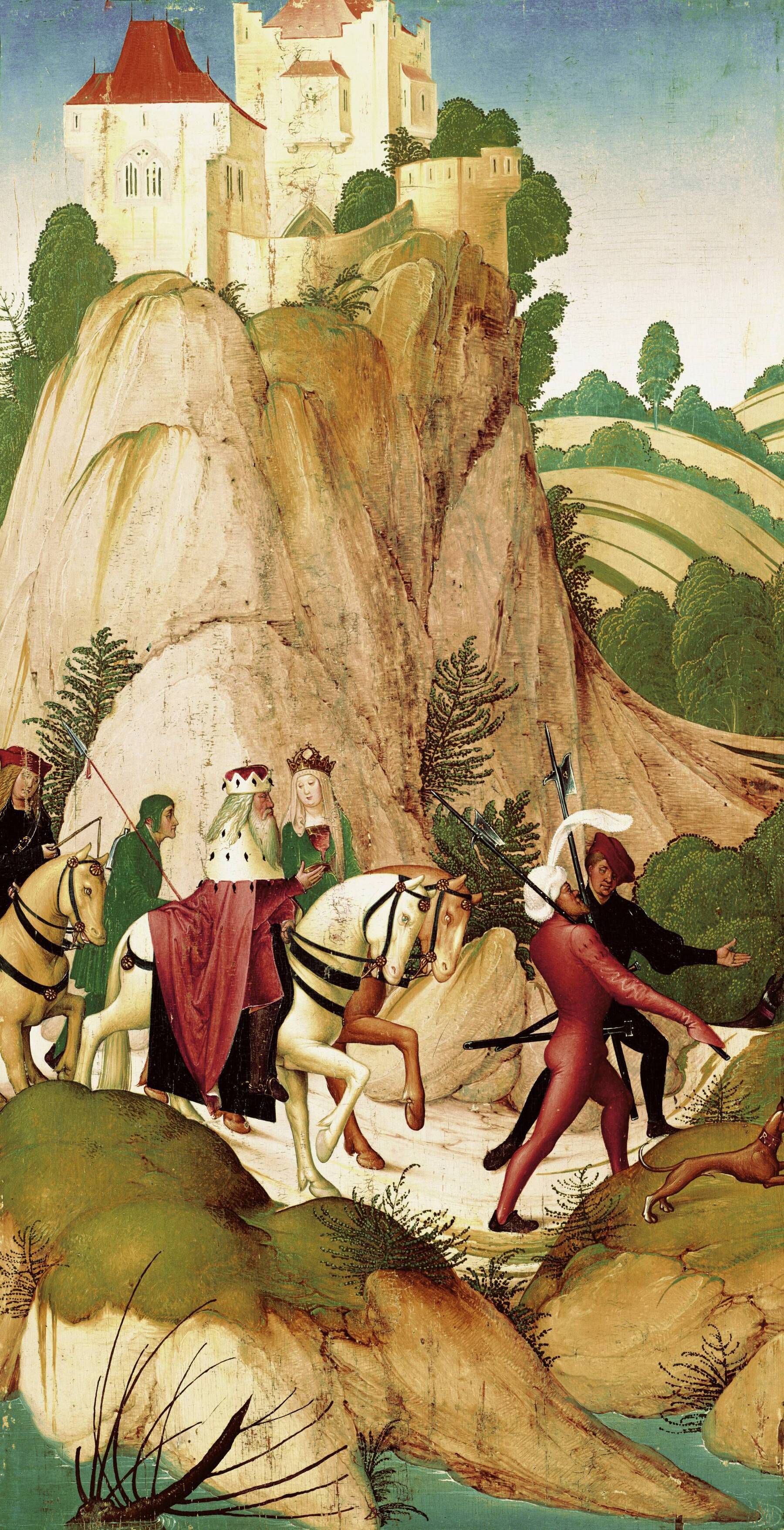
The Golden Babenberger Years
Translated from German, summarized and contextualized by DistantNews.
At a glance
In-depth
Sources not specified
Context piece
- The Babenberger dynasty ruled a territory in present-day Austria for 270 years, from 976 to 1246.
- Initially a military buffer zone against Hungarians, the region developed significantly under their rule.
- Their extinction caused a shock, nearly leading to the area becoming a Bohemian province.
The Babenberger dynasty, though little known outside Austria, profoundly shaped the region's history for 270 years, from 976 to 1246. Their rule was centered in a territory then vaguely described as the "region in the east," later known as Ostmark or Austria.
Initially established by Holy Roman Emperor Otto the Great as a military frontier, or "mark," the territory served as a buffer zone against incursions from the east, particularly from the Hungarians. The margrave, responsible for preventing further invasions, held more rights than a typical count. This borderland, characterized by dense forests and wilderness, required significant efforts to attract settlers and develop agriculture.
Over centuries, the Babenbergers transformed this frontier into a more developed region, eventually elevating their status to dukes. Their impact on the area's infrastructure and governance was substantial. Historian Bertrand Michael Buchmann notes that their extinction in 1246 was a significant shock, with one monk lamenting that they had "just begun to feel like Austrians" and fearing they would be "torn apart by wolves," referring to neighboring powers.
Following the Babenbergers' demise, the territory was nearly absorbed into Bohemia. The legacy of their rule, however, laid the groundwork for future Austrian identity and development, despite the initial precariousness of its existence as a border province.
It's a shame, we had just begun to feel like Austrians. Now the wolves will tear us apart.
DistantNews Editorial
Originally published by Die Presse in German. Translated, summarized, and contextualized by our editorial team with added local perspective. Read our editorial standards.
More Stories



From Our Blog

What Gets Lost (and Found) When News Is Translated

The Critical Role of Diaspora Media in Global News

What Travellers Should Know About Countries with Restricted Press

A Digital Nomad's Guide to Following Local News

How the Same Story Looks Different in Different Countries
