

Seoul Apartment Prices Surge, Outer Districts Lead Gains Amid Market Shift
Translated from Korean, summarized and contextualized by DistantNews.
TLDR
- Seoul's apartment prices rose 2.65% this year, double last year's rate, with outer districts leading the increase.
- Apartments priced under 1.5 billion won (approx. $1.1 million USD) saw the most buying activity, driven by loan regulations and tax pressures.
- Gangnam district was the only area to experience a price decrease (-0.34%), while areas like Seongbuk, Gwanak, and Gangseo saw the highest gains.
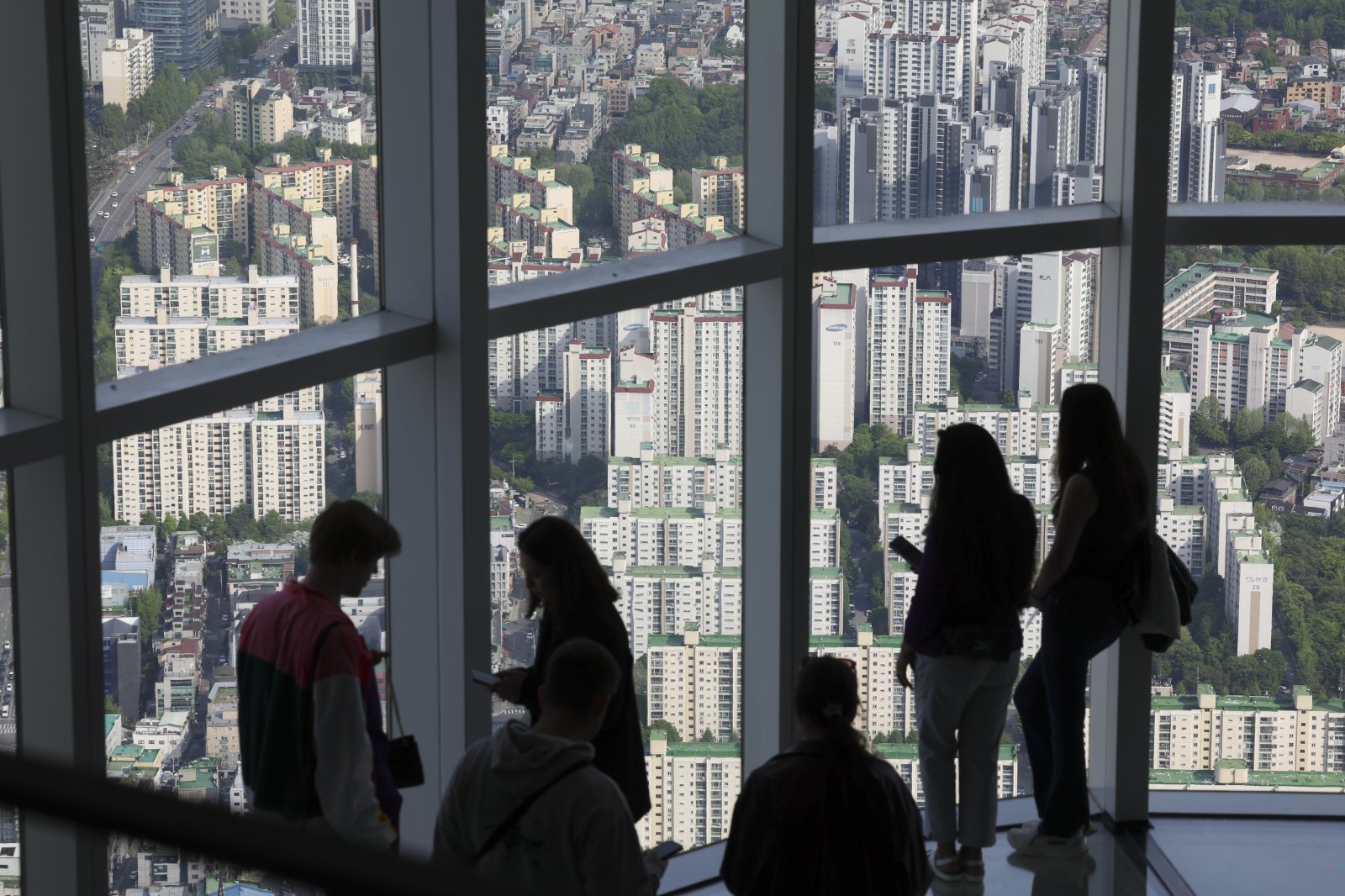
The Seoul housing market is experiencing a significant upswing, with apartment prices climbing at twice the rate seen last year. This surge is primarily concentrated in the city's outer districts, a stark contrast to the previous focus on prime areas. The data reveals a clear trend: buyers are increasingly targeting properties priced below 1.5 billion won, a shift attributed to government loan regulations and tax policies that favor mid-to-low-priced segments.
While the overall market shows robust growth, the prestigious Gangnam district stands out as the sole area experiencing a price decline. This divergence highlights a market segmentation driven by affordability and regulatory influence, rather than solely by prestige or location. Districts like Seongbuk, Gwanak, and Gangseo are now at the forefront of price appreciation, indicating a broader distribution of market activity.
This market rebalancing is a direct consequence of policies aimed at cooling the overheated real estate sector. The tightening of loan-to-value ratios and increased tax burdens on high-value properties have effectively redirected demand towards more accessible segments. Furthermore, a scarcity of rental properties, partly due to owner-occupancy requirements in designated zones, is pushing more tenants to consider purchasing homes.
From a local perspective in South Korea, this trend is closely watched. While price increases can be a cause for concern, the current pattern suggests a more balanced market development, moving away from the extreme concentration seen in previous years. The government's challenge remains to manage these fluctuations effectively, ensuring housing stability without stifling necessary market activity, particularly for middle-income households.
DistantNews Editorial
Originally published by Dong-A Ilbo in Korean. Translated, summarized, and contextualized by our editorial team with added local perspective. Read our editorial standards.
More Stories



From Our Blog

What Gets Lost (and Found) When News Is Translated

The Critical Role of Diaspora Media in Global News

What Travellers Should Know About Countries with Restricted Press

A Digital Nomad's Guide to Following Local News

How the Same Story Looks Different in Different Countries
