


Shareholder meetings: How corporate leaders respond to stock price questions
Translated from Vietnamese, summarized and contextualized by DistantNews.
TLDR
- Vietnamese business leaders consistently state that stock prices are determined by the market, not by corporate management.
- They avoid making buy or sell recommendations, emphasizing that stock trading is an individual's right based on their belief in the company.
- While some leaders acknowledge their company's stock may be undervalued, they frame this within broader market dynamics and investor sentiment.
At Vietnam's 2026 shareholder meetings, a recurring theme emerged as corporate leaders addressed shareholder inquiries about stock prices: the unwavering assertion that market forces, not management decisions, dictate share valuations. This consistent message from the leadership of major Vietnamese enterprises reflects a cautious and principled approach to investor relations, prioritizing transparency about market volatility over making potentially misleading promises.
Buying or selling advice is something that should not be given. It is everyone's freedom; if you believe in the business, then buy, otherwise, don't buy.
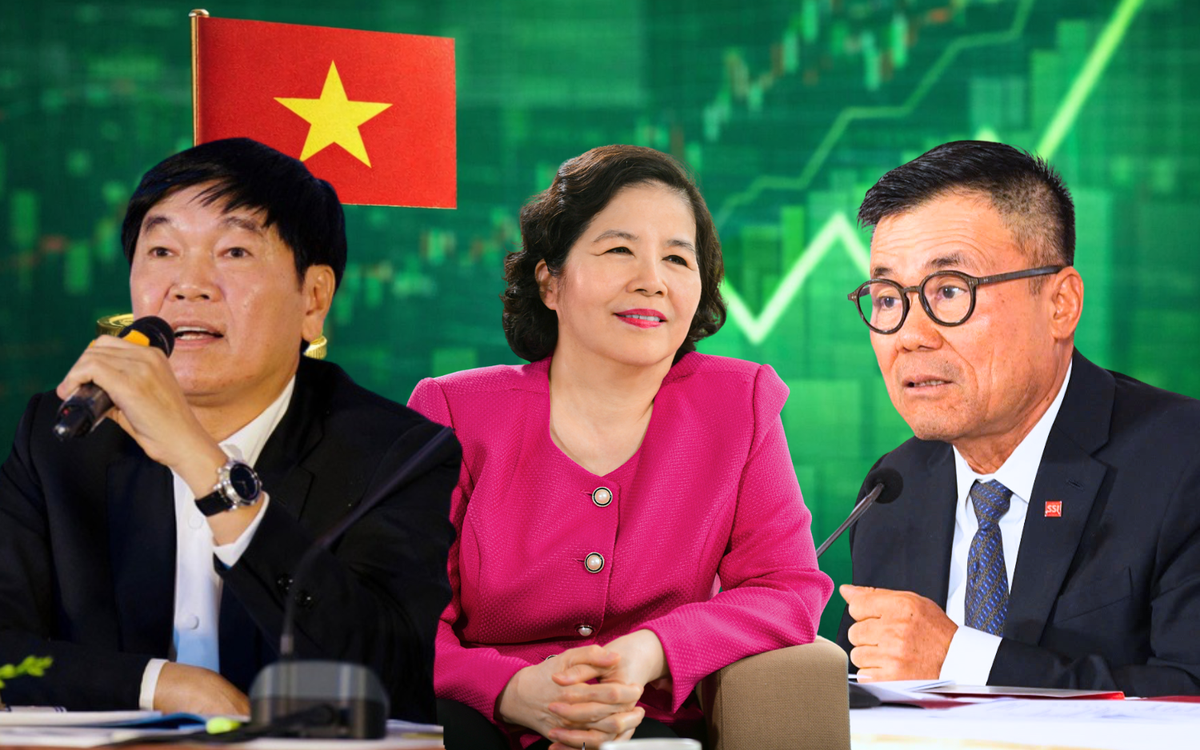
Executives from prominent companies, including Vinamilk and SSI Securities, reiterated that stock prices are a complex interplay of market conditions, company performance, and investor confidence. They firmly declined to offer buy or sell recommendations, framing such advice as inappropriate and an infringement on individual investor autonomy. The prevailing sentiment is that investors should make decisions based on their own research and conviction in a company's long-term prospects.
As I have said many times, the management board will not interfere with the stock price. I personally never trade my own company's stock.
This stance is particularly notable from figures like Ms. Mai Kiều Liên, CEO of Vinamilk, and Mr. Nguyễn Duy Hưng, Chairman of SSI. They emphasized that while they hope for their companies' success, direct intervention in stock price movements is neither feasible nor desirable. Mr. Hưng, for instance, stated he would never trade his own company's stock, highlighting a commitment to ethical business practices and avoiding conflicts of interest. The leadership's reluctance to "lùa gà" (deceive or lure investors) is a key reason for maintaining a distance from price speculation.
If I advise to buy and the price goes down, I will be accused of 'luring chickens', and if I advise to sell and the price goes up, I will be accused of causing investors to lose money.
While most leaders maintained this cautious approach, some, like Danny Lê, CEO of Masan Group, offered a different perspective, suggesting their company's stock might be undervalued by as much as 60%. However, even this assessment was contextualized within broader market factors, including geopolitical influences and investor concerns about cash flow generation. This nuanced discussion underscores the dynamic nature of the Vietnamese stock market and the ongoing dialogue between corporate leadership and their shareholders regarding valuation and market expectations.
Our company's stock is currently undervalued by about 60% compared to its actual value.
DistantNews Editorial
Originally published by Tuổi Trẻ in Vietnamese. Translated, summarized, and contextualized by our editorial team with added local perspective. Read our editorial standards.
More Stories

From Our Blog

What Gets Lost (and Found) When News Is Translated

The Critical Role of Diaspora Media in Global News

What Travellers Should Know About Countries with Restricted Press

A Digital Nomad's Guide to Following Local News

How the Same Story Looks Different in Different Countries
