

Sinaloa Governor Accused by U.S. DOJ of Drug Trafficking Ties
Translated from Spanish, summarized and contextualized by DistantNews.
TLDR
- The U.S. Department of Justice has accused Sinaloa Governor Rubén Rocha Moya of alleged ties to drug trafficking, specifically the 'Los Chapitos' faction.
- The accusations, filed in a New York court, claim the governor collaborated with the cartel to facilitate drug operations and received support during his election campaign.
- Mexican authorities have received extradition requests from the U.S. government for the governor and nine other individuals implicated in drug trafficking and weapons offenses.
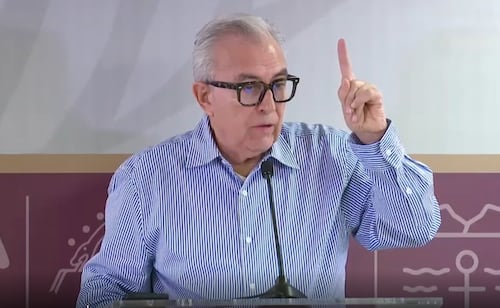
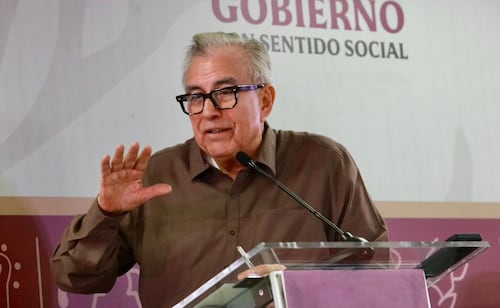
Serious allegations have surfaced against Sinaloa Governor Rubén Rocha Moya, with the U.S. Department of Justice accusing him of alleged links to drug trafficking, particularly the 'Los Chapitos' faction of the Sinaloa Cartel. These accusations, presented in the U.S. District Court for the Southern District of New York, suggest a disturbing level of collaboration between the governor and the criminal organization.
quien tomó posesión como gobernador de Sinaloa el 1 de noviembre de 2021, fue señalado este miércoles 29 de abril por el Departamento de Justicia de Estados Unidos por presuntos vínculos con el narcotráfico, tras una acusación presentada este miércoles en la Corte del Distrito Sur de Nueva York, donde se le imputa haber colaborado con la facción de “Los Chapitos” para facilitar sus operaciones y distribución de drogas hacia ese país.
According to the U.S. investigation, Governor Rocha Moya allegedly received support from the cartel during his 2021 election campaign, including acts of pressure against his political rivals. Furthermore, it is alleged that upon taking office, he allowed cartel operations to proceed without state intervention. These claims paint a grim picture of potential corruption at the highest levels of state government in Mexico.
The implications are significant, as the U.S. government has reportedly submitted extradition requests for Governor Rocha Moya and nine other individuals facing charges related to drug trafficking and firearms offenses. If convicted, the governor could face severe penalties, including life imprisonment or a minimum of 45 years in prison. This development has sent shockwaves through Mexico, raising critical questions about governance and the fight against organized crime.
el mandatario habría recibido apoyo de este grupo criminal durante su proceso electoral mediante actos de presión contra sus adversarios, y posteriormente, ya en el cargo, habría permitido que operaran sin intervención de las autoridades estatales.
This is not the first time Governor Rocha Moya has been linked to drug trafficking allegations. Notably, the investigation into the July 2024 murder of Héctor Melesio Cuén Ojeda, a former rector of the Autonomous University of Sinaloa, brought the governor into the spotlight. A letter attributed to Ismael 'El Mayo' Zambada suggested a meeting was scheduled between Cuén, Governor Rocha Moya, and Zambada himself on the day of the murder, casting a shadow over the governor's alleged proximity to cartel leaders. The subsequent intervention by Mexico's Attorney General's Office, which identified inconsistencies in the state's investigation, further complicated the case and fueled suspicions about the initial narrative of a simple vehicle theft gone wrong.
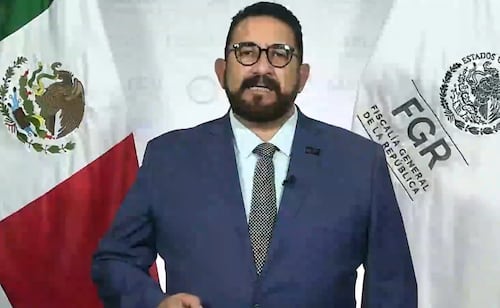
las acusaciones del Departamento de Justicia estadounidense contra el gobernador de Sinaloa, Rubén Rocha Moya, y otras nueve personas, son por tráfico de drogas y delitos relacionados con armas; por lo que la Secretaría de Relaciones Exteriores (SRE) informó que ayer se recibieron solicitudes de extradición de diversas personas por parte del gobierno de Donald Trump.
From our perspective at El Universal, these accusations against Governor Rocha Moya are deeply concerning and demand a thorough and transparent investigation. The potential involvement of a state governor with powerful drug cartels strikes at the heart of Mexico's ongoing struggle against organized crime and corruption. While these are allegations, the gravity of the charges and the involvement of U.S. authorities necessitate a swift and decisive response from Mexican institutions to uphold the rule of law and public trust. The international dimension, with U.S. extradition requests, highlights the transnational nature of the drug trade and the need for robust bilateral cooperation, but also raises sensitive questions about national sovereignty and the capacity of Mexican authorities to address such complex issues independently.
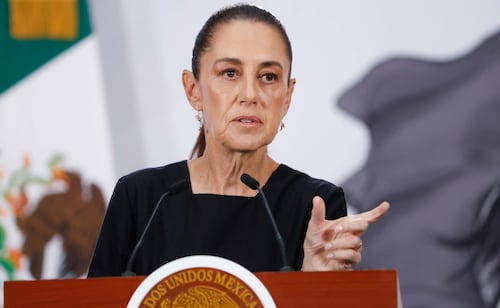
Este ataque no es solo contra mi persona, sino también a la 4T
DistantNews Editorial
Originally published by El Universal in Spanish. Translated, summarized, and contextualized by our editorial team with added local perspective. Read our editorial standards.
More Stories
From Our Blog

What Press Freedom Means for the News You Read

What Gets Lost (and Found) When News Is Translated

The Critical Role of Diaspora Media in Global News

What Travellers Should Know About Countries with Restricted Press

A Digital Nomad's Guide to Following Local News
