

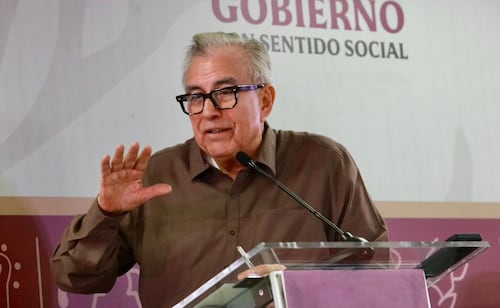
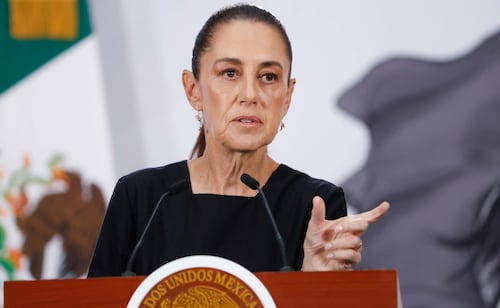
Tests are key to extraditing Rubén Rocha to the US: specialist; Mexico must decide whether to proceed or send him if it finds evidence
Translated from Spanish, summarized and contextualized by DistantNews.
TLDR
- The potential extradition of Sinaloa Governor Rubén Rocha Moya to the US is a complex legal and political issue involving the bilateral extradition treaty.
- US authorities must present sufficient evidence to prove Rocha Moya's probable responsibility for alleged crimes, including ties to the Sinaloa Cartel.
- Mexico's executive branch, specifically President Claudia Sheinbaum, will make the final decision on extradition after review by the Foreign Ministry and Attorney General's Office.
The prospect of Sinaloa Governor Rubén Rocha Moya's extradition to the United States has ignited a significant legal and political debate concerning the scope of the bilateral treaty and the Mexican government's role. According to Virginia Petrova Georgieva, a researcher at the Department of Law at Universidad Iberoamericana, the request submitted by US authorities must adhere to the stipulations outlined in the extradition treaty and Mexican legislation.
She explained that Article 6 of the bilateral agreement stipulates that extradition is only permissible if the United States provides sufficient evidence to establish the probable responsibility of the accused individual for the imputed crimes, in this case, alleged links to the Sinaloa Cartel and organized crime offenses. However, Article 12 allows Mexico to request additional information if the initial evidence is deemed insufficient. Therefore, a lack of evidence does not automatically lead to the rejection of the process. "It is very difficult to deny an extradition solely based on a lack of evidence; there is always the possibility of requesting additional information," she emphasized.
Es muy difícil que únicamente por falta de pruebas se niegue una extradición; siempre existe la posibilidad de pedir información adicional
The Ministry of Foreign Affairs (SRE) has received the request and forwarded it to the Attorney General's Office (FGR), which is responsible for analyzing the case file. If the FGR finds sufficient grounds, the SRE may request the provisional detention of the official and present him before a judge. The Judiciary will then review whether there are grounds to deny extradition, such as the offense being political in nature, the risk of a death penalty, prior judgment for the same acts, or the existence of immunity that prevents the process.
Ultimately, the definitive decision rests with the federal executive, meaning President Claudia Sheinbaum Pardo, acting through the Ministry of Foreign Affairs. This type of procedure typically remains under diplomatic confidentiality, although Mexico has made extradition requests public in other recent cases. A crucial element, Georgieva added, is the potential involvement of Mexican authorities in gathering evidence. If confirmed, the "prosecute or extradite" principle would apply, obligating Mexico to prosecute the official if extradition is denied.
Si el gobierno mexicano participó en la investigación y hay pruebas suficientes, no podría simplemente
DistantNews Editorial
Originally published by El Universal in Spanish. Translated, summarized, and contextualized by our editorial team with added local perspective. Read our editorial standards.
More Stories

From Our Blog

What Press Freedom Means for the News You Read

What Gets Lost (and Found) When News Is Translated

The Critical Role of Diaspora Media in Global News

What Travellers Should Know About Countries with Restricted Press

A Digital Nomad's Guide to Following Local News
