


'Single Tax' Sparks Debate Over Japan's Population Challenges
Translated from Vietnamese, summarized and contextualized by DistantNews.
TLDR
- Japan has introduced a new levy, colloquially termed the 'single tax,' as an additional contribution to public health insurance, affecting all workers starting April 2026.
- This levy, officially part of the 'Child and Child-rearing Support' system, is calculated based on income, with higher earners contributing more, and is perceived by some as a penalty for not having children.
- The move exacerbates existing tax disadvantages for single individuals in Japan, who already pay more net tax than couples with the same gross income due to dependent deductions, fueling discontent among the growing single-person household demographic.
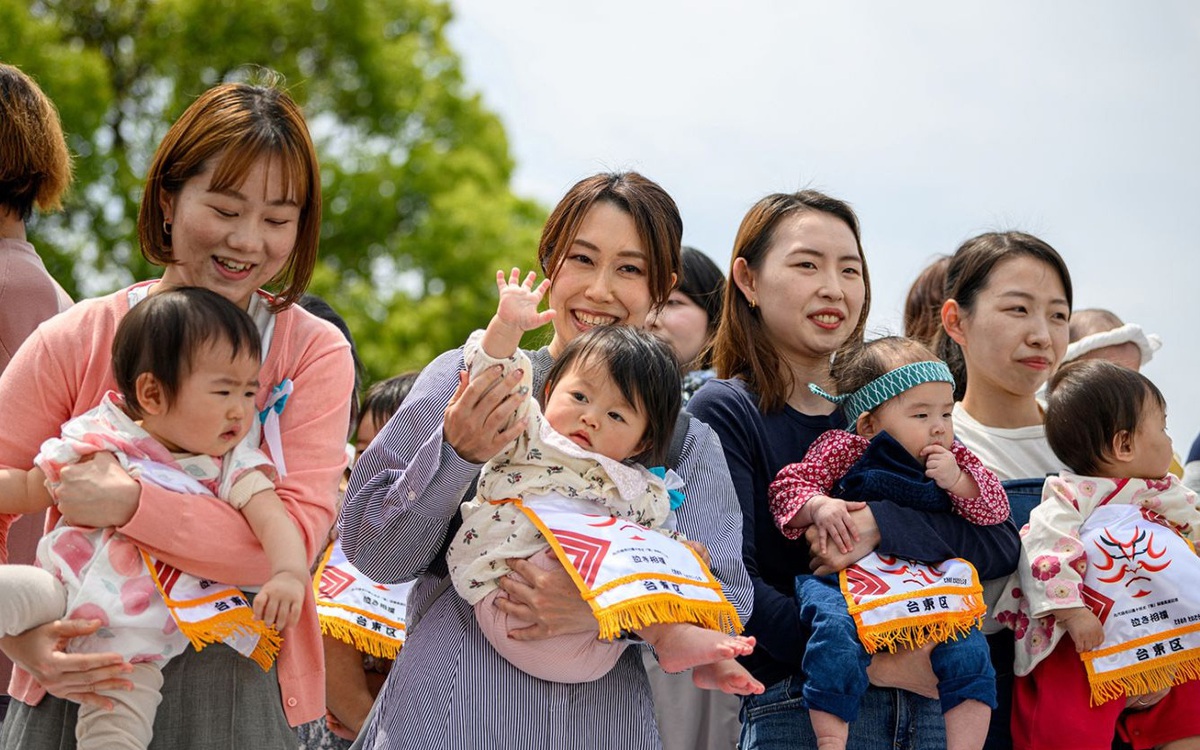
A new financial burden, dubbed the 'single tax' by the public, has sparked widespread discussion across Japan's economic forums and social media. Since April 2026, workers have noticed a new deduction on their payslips. While not a direct tax on being single, this additional contribution to public health insurance, officially known as the 'Child and Child-rearing Support' system, is being met with considerable resistance. The levy's progressive nature, where higher earners contribute more, means those without children are effectively subsidizing family-related social services, leading many to feel unfairly penalized.
This levy arrives at a time when single-person households have become the largest demographic in Japan, accounting for one-third of all households in 2022. This demographic shift, a stark contrast to the traditional multi-generational families common just decades ago, means the 'single tax' disproportionately affects a significant and growing portion of the population. The discontent is amplified by existing tax inequities. Japan's 'dependent deduction' system has long favored married couples, creating a situation where single individuals with the same total income pay more net tax. The new levy compounds this 'hidden tax,' making the financial strain on single individuals more pronounced than ever.
The Japanese government justifies the levy as essential for the sustainability of the social security system, particularly in light of declining birth rates. The argument is that a shrinking workforce will eventually undermine the pension system and public services. However, this rationale does little to appease those who feel they are being financially penalized for their personal choices or circumstances. The debate highlights a fundamental tension between the government's demographic goals and the financial realities faced by its citizens, particularly the increasing number of individuals living alone.
From a Japanese perspective, this issue cuts to the heart of societal structure and individual contribution. While international coverage might focus on the economic implications or demographic trends, the local discourse is deeply rooted in fairness and the perceived erosion of individual autonomy. The term 'single tax' itself, though informal, captures the sentiment of being singled out for financial contribution towards services one does not directly benefit from. This policy, intended to address long-term population challenges, risks alienating a substantial segment of the current workforce and exacerbating social divisions.
DistantNews Editorial
Originally published by Tuổi Trẻ in Vietnamese. Translated, summarized, and contextualized by our editorial team with added local perspective. Read our editorial standards.
More Stories


From Our Blog

What Gets Lost (and Found) When News Is Translated

The Critical Role of Diaspora Media in Global News

What Travellers Should Know About Countries with Restricted Press

A Digital Nomad's Guide to Following Local News

How the Same Story Looks Different in Different Countries
