


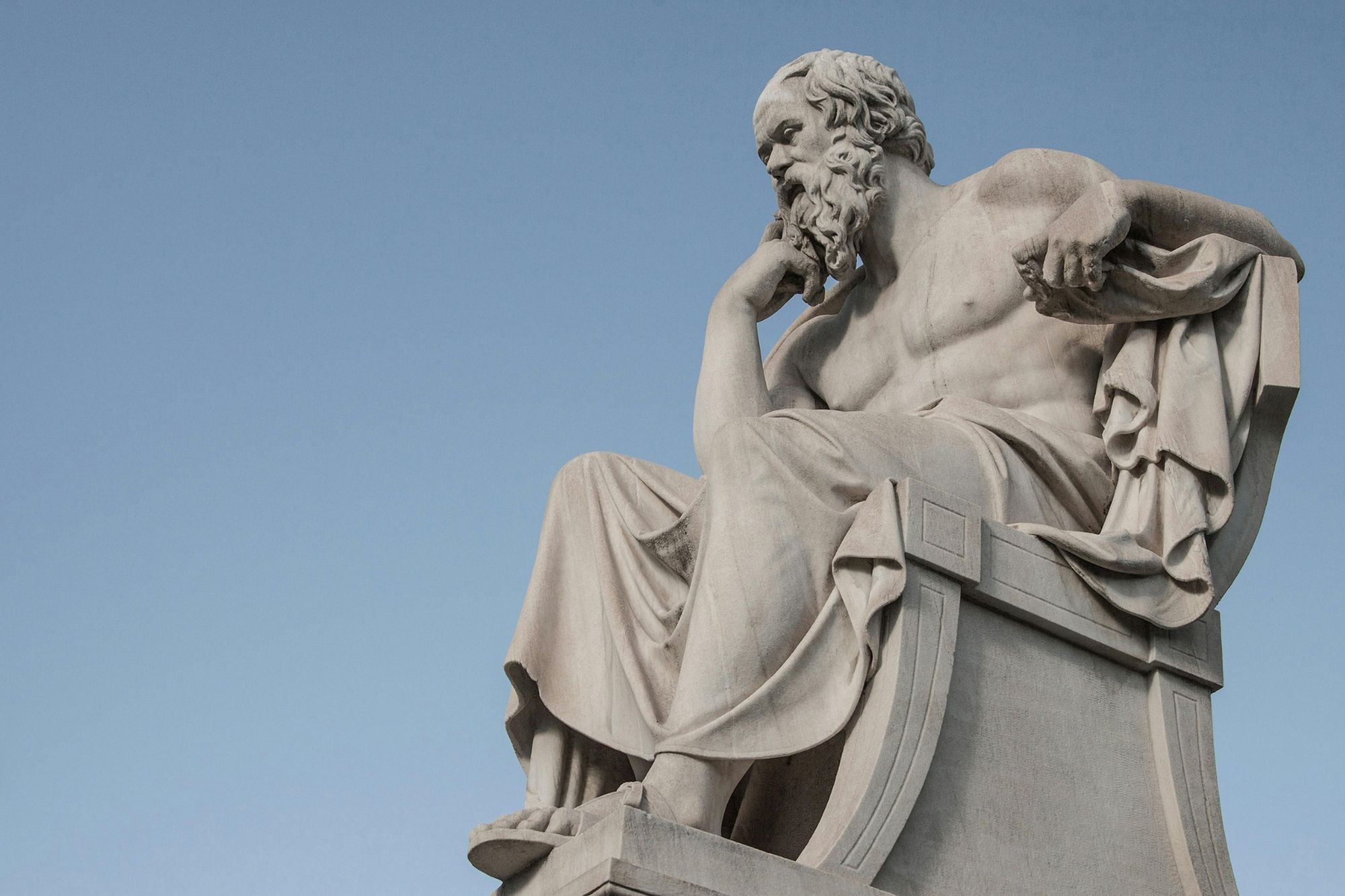
Socrates and Maieutics: 'I Know That I Know Nothing'
Translated from Spanish, summarized and contextualized by DistantNews.
TLDR
- The article explores the Socratic principle "I know that I know nothing" as a foundation for open communication, particularly with children.
- It highlights how personal biases and prejudices prevent individuals from truly listening to and understanding others' perspectives.
- The piece explains Socrates' method of maieutics, or "midwifery of the mind," as a way to guide individuals to discover knowledge through questioning.
La Nación (AR) delves into the profound wisdom of the ancient Greek philosopher Socrates, focusing on his famous maxim, "I know that I know nothing." This philosophical cornerstone is presented not merely as an intellectual concept but as a vital tool for fostering genuine dialogue and understanding in our daily lives, especially within family relationships. The article poignantly addresses the common human failing of being ensnared by our own biases and prejudices, which erect barriers to empathy and open-mindedness. It criticizes the tendency to dismiss others' concerns or aspirations, particularly those of children, due to our own limited viewpoints. The piece champions the Socratic method of maieutics, a process of guided questioning that helps individuals uncover their own knowledge and confront their ignorance. By embracing uncertainty and cultivating curiosity, the article suggests, we can move closer to true wisdom. This perspective emphasizes the enduring relevance of Socratic philosophy in navigating the complexities of human interaction and personal growth, offering a timeless guide to self-awareness and intellectual humility.
I know that I know nothing.
DistantNews Editorial
Originally published by La Nación in Spanish. Translated, summarized, and contextualized by our editorial team with added local perspective. Read our editorial standards.
More Stories


From Our Blog

What Gets Lost (and Found) When News Is Translated

The Critical Role of Diaspora Media in Global News

What Travellers Should Know About Countries with Restricted Press

A Digital Nomad's Guide to Following Local News

How the Same Story Looks Different in Different Countries
