


South Korea Considers Expanding Family Care Leave to Cohabitants
Translated from Korean, summarized and contextualized by DistantNews.
TLDR
- The South Korean government is considering expanding family care leave to include cohabitants, not just legal family members.
- This move aims to reflect the reality of diverse family structures, such as common-law marriages and foster families.
- The proposal follows a significant increase in non-related households and a recommendation from the Korea Labor Institute to broaden the scope of care recipients.
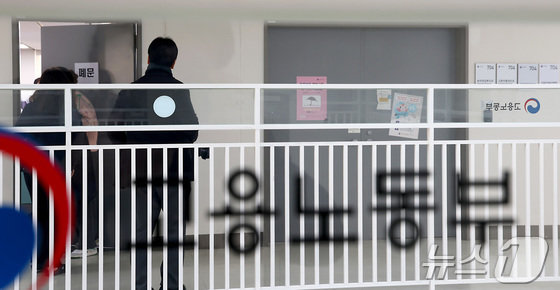
The Ministry of Employment and Labor is exploring a significant expansion of family care leave, a move that acknowledges the evolving nature of family in South Korea. Currently, the law permits leave for caring for legal relatives like parents, spouses, and children. However, with the rise of diverse family arrangements, including common-law partnerships and children living in foster care, the existing framework leaves many individuals without adequate support.
The government's research initiative, 'Improvement Measures for Family Care Support Systems such as Family Care Leave,' signals a proactive approach to address this gap. Data shows a 37% increase in non-related households living together over the past four years, highlighting a societal shift that the labor laws must now accommodate. The Korea Labor Institute's recommendation to include cohabitants underscores the growing recognition that 'family' extends beyond legal definitions.
This potential policy change aligns South Korea with international trends. Countries like Sweden and the Netherlands have already broadened their definitions of family for caregiving purposes, including friends, neighbors, or actual cohabitants. By considering these international examples, the Ministry aims to create a more inclusive and supportive system that reflects the lived realities of its citizens. This initiative is a crucial step towards ensuring that all workers, regardless of their marital status or family structure, can access necessary caregiving leave.
DistantNews Editorial
Originally published by Dong-A Ilbo in Korean. Translated, summarized, and contextualized by our editorial team with added local perspective. Read our editorial standards.
More Stories


From Our Blog

What Gets Lost (and Found) When News Is Translated

The Critical Role of Diaspora Media in Global News

What Travellers Should Know About Countries with Restricted Press

A Digital Nomad's Guide to Following Local News

How the Same Story Looks Different in Different Countries
