

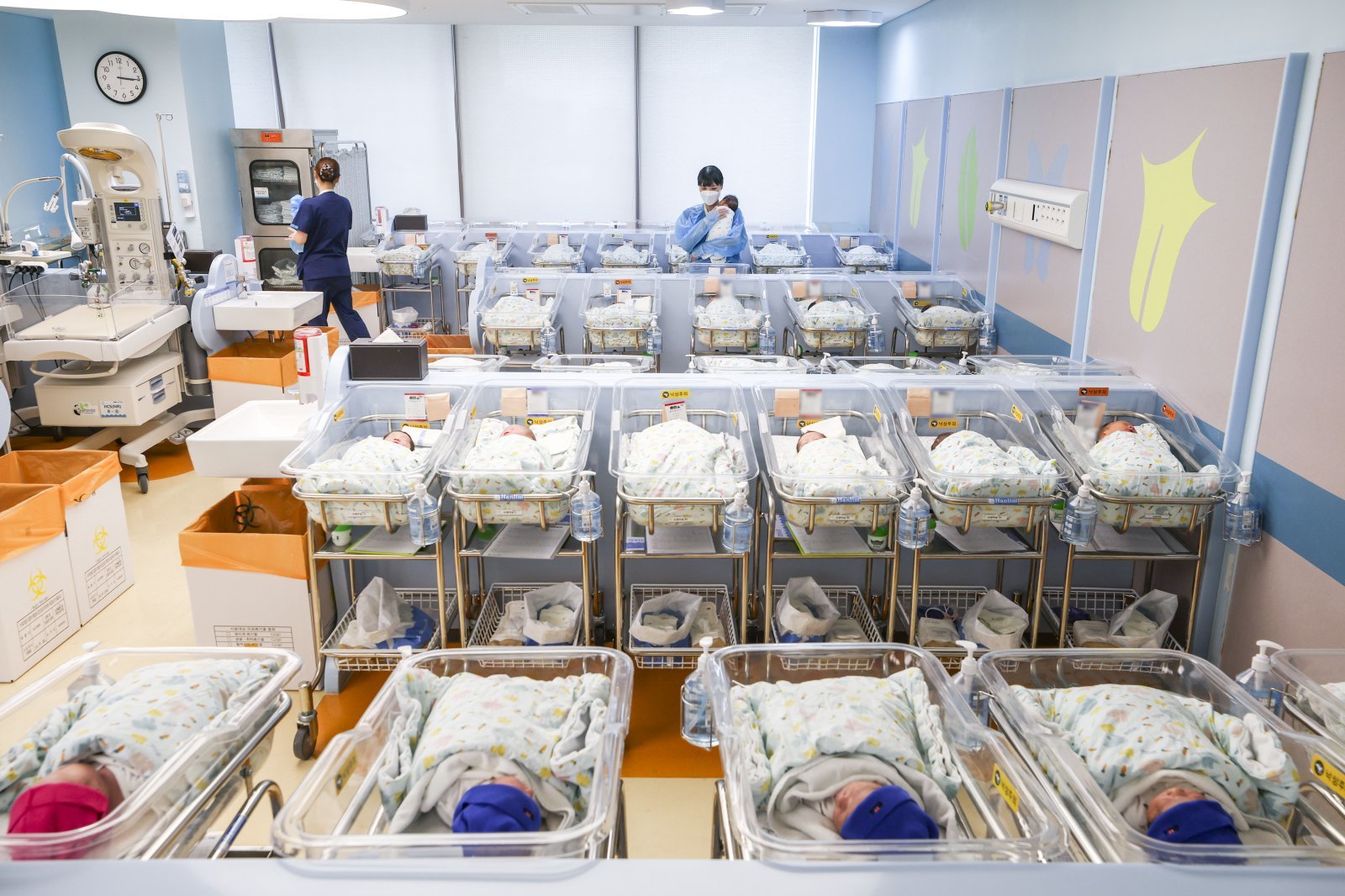

South Korea expands morning care services at kindergartens and daycare centers
Translated from Korean, summarized and contextualized by DistantNews.
TLDR
- South Korea's Ministry of Education is expanding morning care services at kindergartens and daycare centers to address childcare gaps during early morning work hours.
- Kindergartens will deploy senior caregivers, while daycare centers will receive subsidies for morning care staff.
- The number of children using morning care services has increased by 29% in the first quarter of 2026 compared to the previous year.
Recognizing the growing needs of dual-income households, South Korea's Ministry of Education is significantly bolstering its morning care services for young children. This initiative aims to alleviate the burden on parents who struggle with childcare during the crucial hours between early morning commutes and the start of regular daycare or kindergarten schedules. The expansion, detailed in the Hankyoreh, reflects a proactive approach to supporting working families and ensuring children receive consistent care.
At the kindergarten level, the program involves deploying 'senior caregivers' who have undergone specialized training in childcare and understanding children's needs. As of May 2026, 408 such caregivers are assisting in 245 kindergartens nationwide. This innovative use of senior citizens not only provides essential support but also fosters intergenerational interaction, a value deeply cherished in Korean society. For daycare centers, the ministry is introducing new subsidies for teachers dedicated to morning care, addressing a long-standing financial concern that previously made these early hours a strain on operations.
As the number of dual-income families increases, the niche care provided during commute times plays an important role in alleviating parents' childcare burdens.
From the perspective of the Hankyoreh, a publication known for its progressive stance and focus on social issues, this policy is a welcome step towards creating a more equitable and supportive environment for families. The reported 29% increase in the utilization of morning care services in early 2026 clearly indicates the high demand and the positive impact of these measures. This story is particularly resonant in South Korea, where low birth rates and the challenges of balancing work and family life are pressing national concerns. The government's investment in 'niche care' – addressing the specific needs of parents during commute times – is seen as a vital strategy to ease parental burdens and, by extension, encourage family formation. This contrasts with a Western focus that might solely emphasize economic productivity, whereas here, the emphasis is on social well-being and family support as integral to national progress.
We will provide meticulous support for niche care through the placement of senior caregivers in kindergartens and the provision of subsidies for morning care teachers in daycare centers.
DistantNews Editorial
Originally published by Hankyoreh in Korean. Translated, summarized, and contextualized by our editorial team with added local perspective. Read our editorial standards.
More Stories



From Our Blog

What Gets Lost (and Found) When News Is Translated

The Critical Role of Diaspora Media in Global News

What Travellers Should Know About Countries with Restricted Press

A Digital Nomad's Guide to Following Local News

How the Same Story Looks Different in Different Countries
