


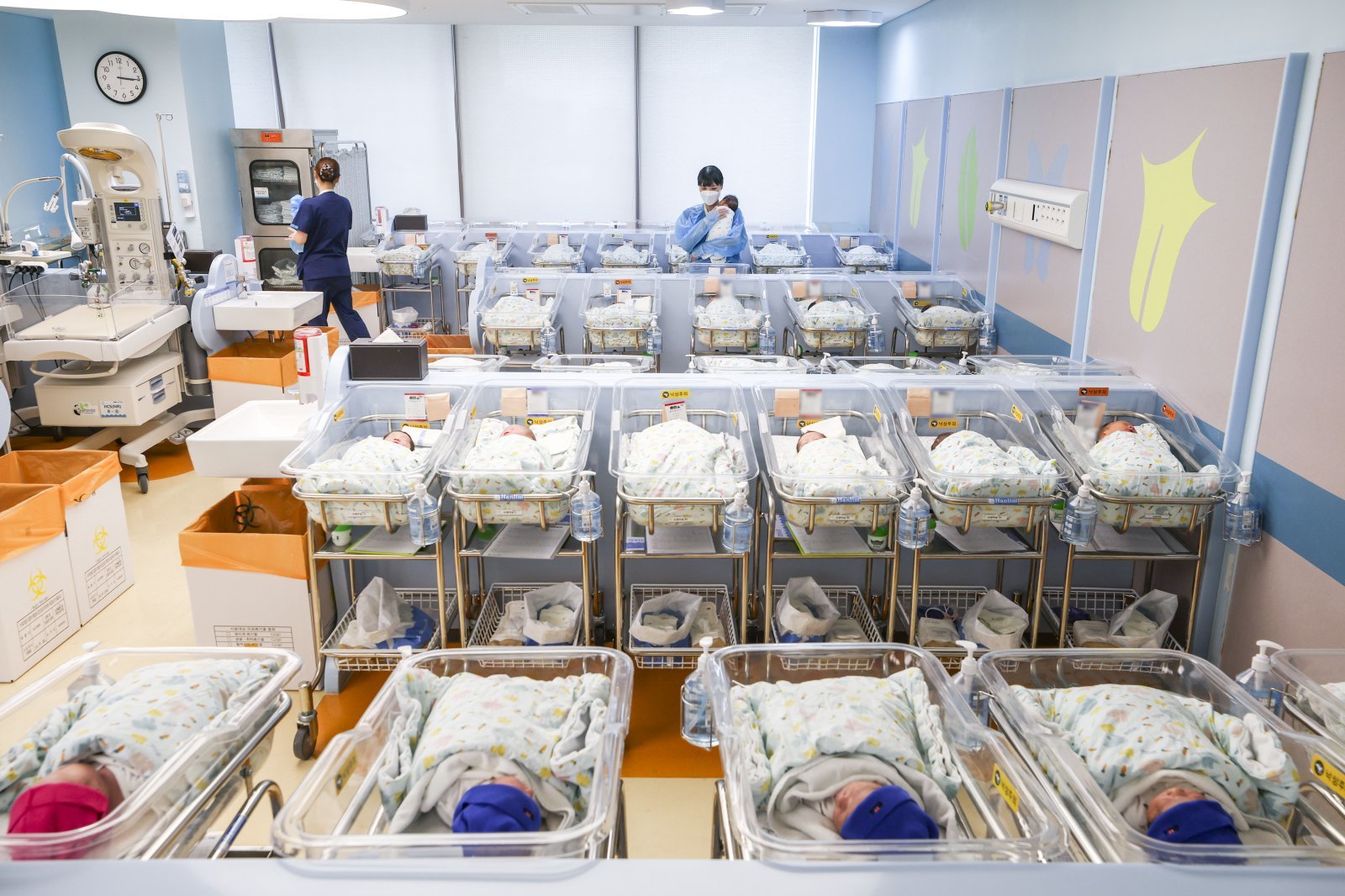
South Korean unmarried individuals show increased positive views on marriage and childbirth, survey finds
Translated from Korean, summarized and contextualized by DistantNews.
TLDR
- A recent survey indicates a growing positive perception of marriage and childbirth among unmarried South Koreans, with over 40% expressing a willingness to have children.
- The survey, conducted by the Presidential Committee on Aging and Low Birth Rate, showed increased positive views on marriage and a rise in the intention to have children compared to previous surveys.
- Key policy demands include job creation, corporate and local government participation, reduced private education costs, and improved work-life balance initiatives to address the low birth rate.
The recent findings from the Presidential Committee on Aging and Low Birth Rate's fifth survey on marriage, childbirth, and parenting offer a glimmer of hope amidst South Korea's persistent demographic challenges. The data, revealing a significant uptick in positive perceptions towards marriage and a notable increase in the willingness of unmarried individuals to have children, suggests a potential shift in societal attitudes. This is particularly encouraging given the nation's historically low birth rate.
While the survey highlights a growing acceptance of marriage, with 65.7% of unmarried individuals expressing a positive view, and a substantial 40.7% indicating a desire to have children – the first time this figure has surpassed 40% since the survey's inception – it also underscores areas needing urgent attention. Satisfaction with childcare services has seen a decline, with parents emphasizing the need for expanded operating hours and reduced costs. This points to a gap between the desire to have children and the practical support available for raising them.
This survey confirmed that the public's expectations for the quality and diversity of childcare services have significantly increased.
From a South Korean perspective, these figures are more than just statistics; they represent a crucial juncture in our national conversation about the future. The government's acknowledgment of these positive shifts and its commitment to reflecting public demand in future population strategies are vital. The emphasis on structural issues like job creation and reducing the burden of private education, alongside calls for greater flexibility in work-life balance, reflects a deep understanding of the socio-economic factors influencing family planning in Korea. This is not merely about increasing numbers; it's about creating an environment where young Koreans feel secure and supported in starting and raising families, a sentiment often overlooked in international coverage that focuses solely on the declining birth rate.
We plan to prepare practical policy and institutional improvements to foster a child-rearing-friendly culture that meets public demand and create workplace conditions where parental leave can be taken without hesitation.
DistantNews Editorial
Originally published by Dong-A Ilbo in Korean. Translated, summarized, and contextualized by our editorial team with added local perspective. Read our editorial standards.
More Stories



From Our Blog

What Gets Lost (and Found) When News Is Translated

The Critical Role of Diaspora Media in Global News

What Travellers Should Know About Countries with Restricted Press

A Digital Nomad's Guide to Following Local News

How the Same Story Looks Different in Different Countries
