

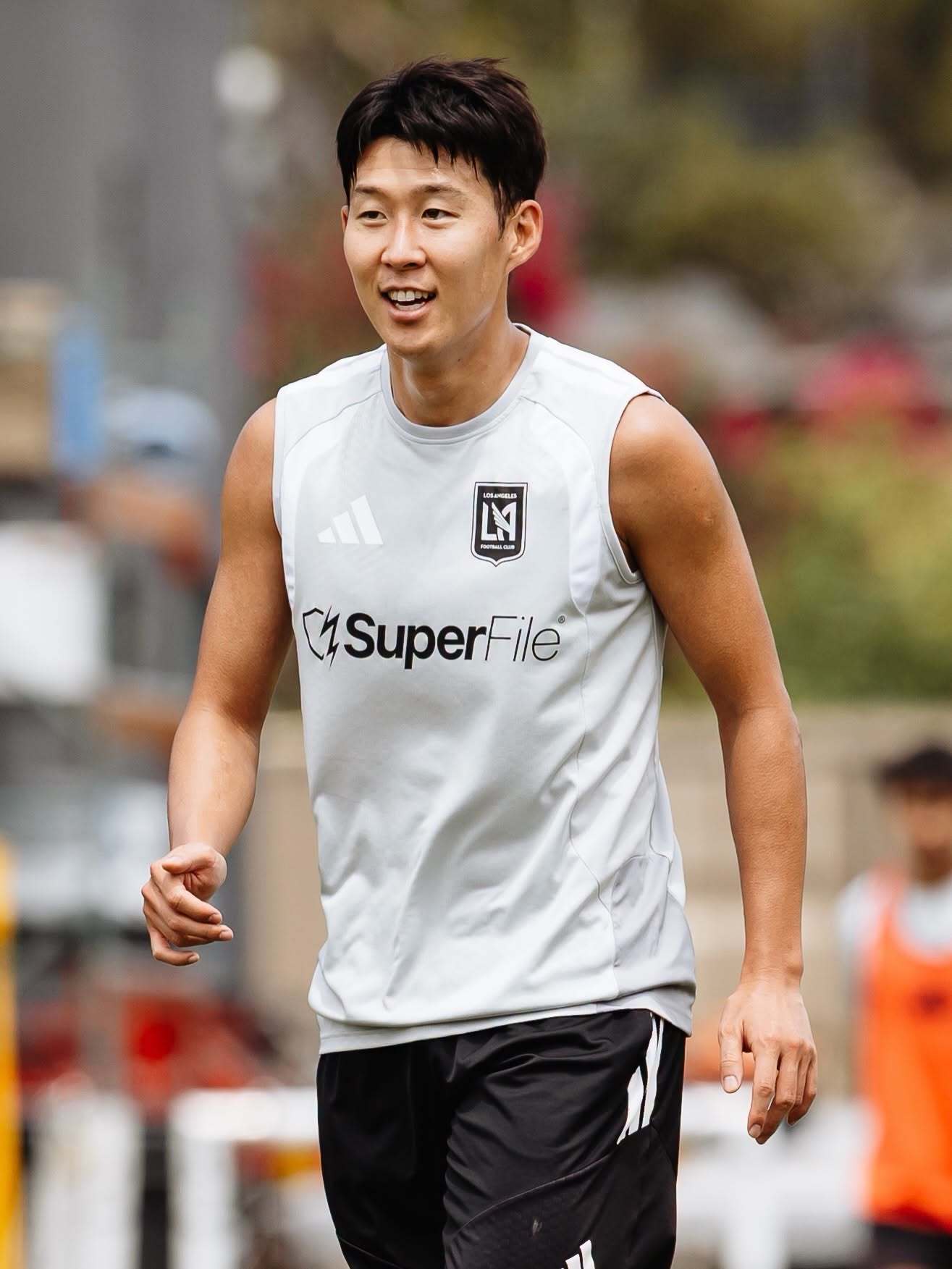
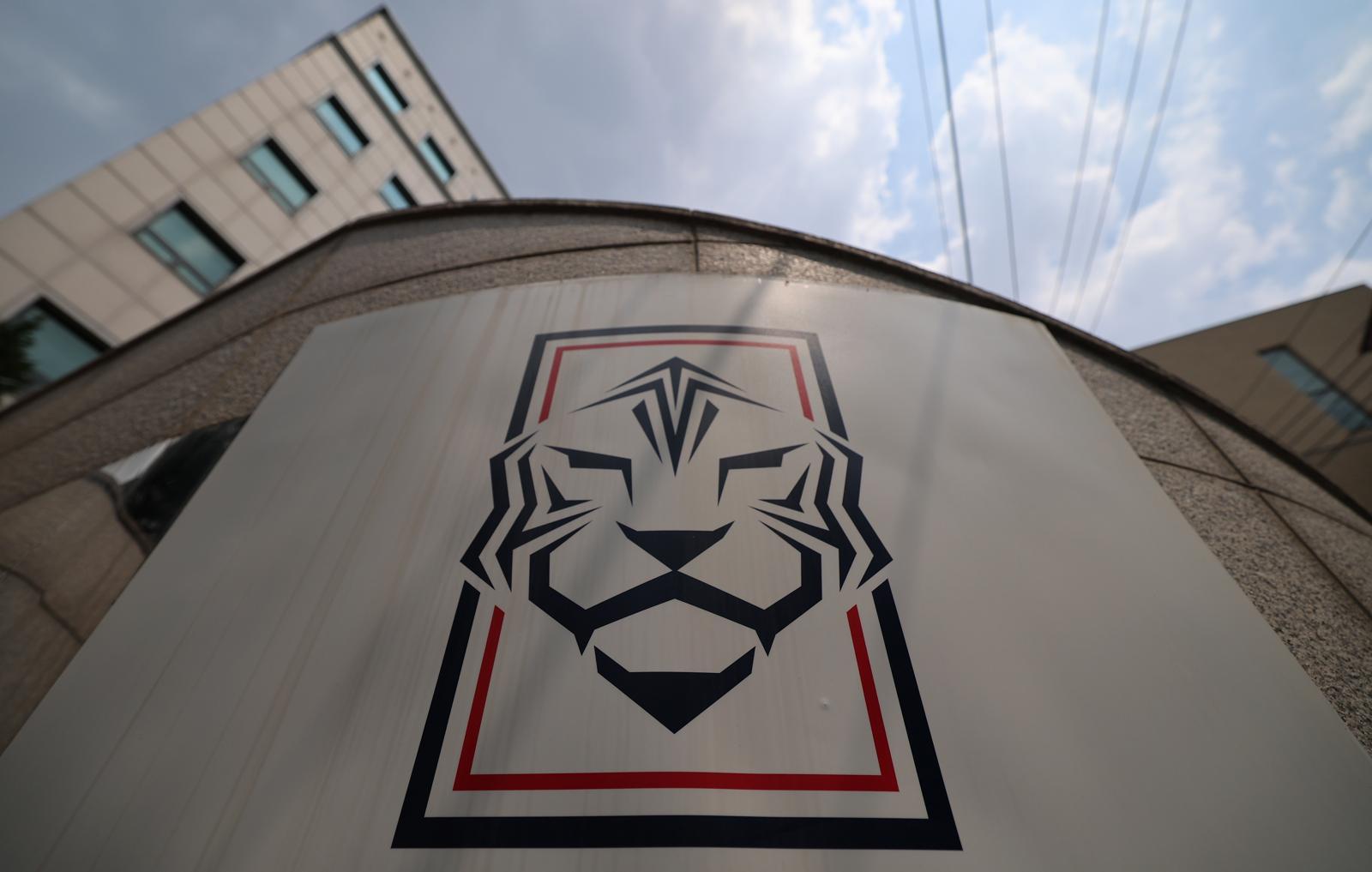
South Korea's National Football Team Coaching Search: A 'Poisoned Chalice'?
Translated from Korean, summarized and contextualized by DistantNews.
At a glance
Analysis
Named sources
Context piece
- The South Korean national football team's coaching position remains vacant, attracting numerous candidates but also significant risks, earning it the moniker 'poisoned chalice'.
- While the role offers a chance to lead the team in World Cups and potentially win the Asian Cup, the high pressure and criticism for underperformance are substantial.
- The Korean Football Association faces challenges in selecting a new coach due to an unclear direction and an upcoming presidential election, complicating the process.
The vacant head coach position for the South Korean national football team is proving to be a complex challenge, attracting a multitude of candidates while carrying considerable risks. This role has been aptly described as a 'poisoned chalice' due to its dual nature: offering prestige and opportunity alongside intense scrutiny and pressure.
The position of head coach for the Korean national team is peculiar from a coach's perspective. It's quite attractive, but the risk is substantial. The expression 'poisoned chalice' is therefore appropriate.
Leading the national team presents a significant career highlight, with a high probability of qualifying for the World Cup and the potential to compete for the Asian Cup title. Former coaches like Guus Hiddink have spoken fondly of their time in South Korea, highlighting the strong bonds formed. However, the pressure to achieve results is immense. Failure to secure a World Cup win or an Asian Cup title often leads to severe public criticism, despite the team's consistent ranking among Asia's top four.
Financially, the position is not as lucrative as those in wealthier leagues or nations. Unlike oil-rich Middle Eastern countries, the Korean Football Association cannot offer top-tier salaries, making it difficult to attract world-renowned coaches. Yet, for coaches seeking to rebuild their careers or elevate their status, the South Korean job can be a valuable stepping stone. Paulo Bento, for instance, significantly boosted his profile after leading the team to the Round of 16 in the 2022 World Cup, a feat he achieved during his four-year tenure, setting a record for the longest-serving national team coach.
The team is always likely to qualify for the World Cup, maintaining a ranking of 3rd or 4th in Asia. Having 'led a specific country in the World Cup finals' on a coach's resume is significant.
The selection process is further complicated by the absence of a Football Association president and an unclear strategic direction from the Enhancement Committee. This has led to a difficult situation where decisions must be made, but the framework for making them is still undefined. Some within the association have even considered the possibility of the acting president and the head of the Enhancement Committee jointly appointing the next coach, though concerns remain about the legitimacy and support such an appointment would receive.
If you don't win the World Cup or become the Asian Cup champions after more than 66 years, you have to be prepared for terrible criticism.
With the national team's recent performance in the North and Central American World Cup raising public interest in the next coach, the negotiations are expected to be arduous. The association must find a diligent and suitable coach who aligns with Korean football's ethos, all while navigating a potentially lengthy and uncertain selection period. The current focus should be on establishing clear criteria and a thorough process, rather than getting caught up in the speculation surrounding currently rumored candidates, to avoid wasting valuable time.
Top-class coaches are not eager to come to a country that demands significant results without offering a large sum of money, unlike oil-rich nations.
DistantNews Editorial
Originally published by Dong-A Ilbo in Korean. Translated, summarized, and contextualized by our editorial team with added local perspective. Read our editorial standards.
More Stories

From Our Blog

What Gets Lost (and Found) When News Is Translated

The Critical Role of Diaspora Media in Global News

What Travellers Should Know About Countries with Restricted Press

A Digital Nomad's Guide to Following Local News

How the Same Story Looks Different in Different Countries
