


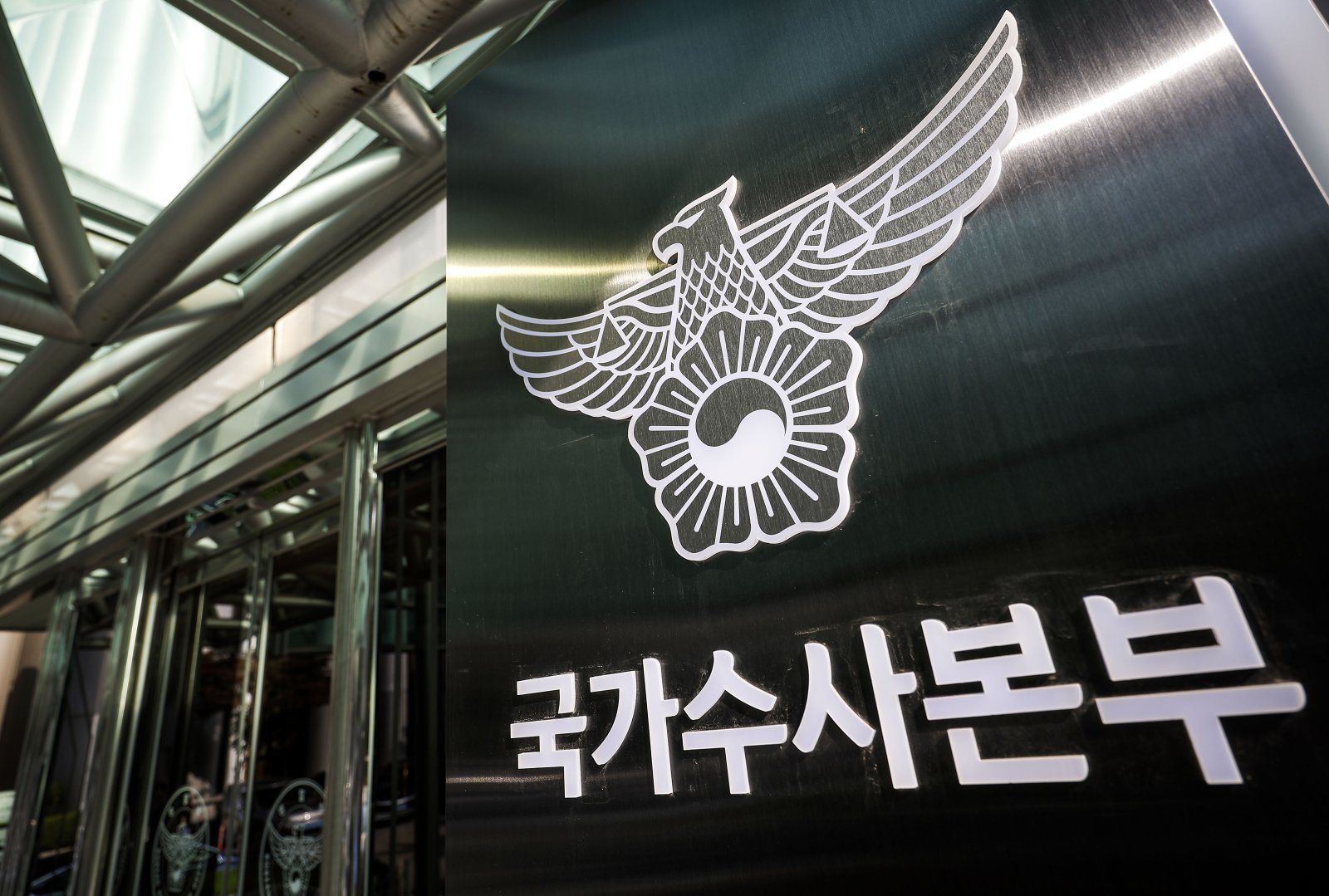
South Korean Police Escalate Election Crime Response, Target AI Fake News
Translated from Korean, summarized and contextualized by DistantNews.
TLDR
- South Korean police are escalating their response to election offenses, particularly focusing on the spread of AI-generated fake news.
- A multi-level response system has been activated, with dedicated investigation teams and a 24-hour situation room operating since February and March, respectively.
- The police will adopt a zero-tolerance approach to major election crimes including fake news, bribery, and election interference by public officials, while also enhancing measures against AI-manipulated content.
As the June 3rd local elections approach, South Korean police are intensifying their efforts to ensure a fair and transparent electoral process. The National Investigation Headquarters has elevated its election crime response system to the highest level, signaling a firm stance against any form of electoral misconduct. This heightened alert is particularly focused on combating the increasingly sophisticated threat of AI-generated fake news, which poses a significant challenge to maintaining public trust and the integrity of the democratic process.
The police are emphasizing a zero-tolerance policy towards three key areas: the dissemination of false information and smear campaigns, bribery and the illegal distribution of funds, and violations of political neutrality by public officials. These measures are designed to create a level playing field for all candidates and prevent undue influence on voters. The proactive approach, including the establishment of dedicated investigation teams and a 24-hour operational room, demonstrates a commitment to swiftly addressing any irregularities.
What makes this election cycle particularly noteworthy is the police's specific focus on combating AI-manipulated content. By developing an 'AI manipulated content analysis and response system,' authorities aim to go beyond simple fact-checking. They plan to utilize advanced digital forensic techniques to reconstruct the entire lifecycle of such content, from creation to dissemination, to build strong cases against perpetrators. This technological arms race against disinformation highlights the evolving nature of election security in the digital age and the need for innovative policing strategies to safeguard democratic institutions. The police's commitment to protecting whistleblowers and offering substantial rewards further underscores their dedication to uncovering and prosecuting election fraud.
We will do our best to create a fair competition ground for candidates so that voters' intentions can be fully reflected in the election results.
DistantNews Editorial
Originally published by Dong-A Ilbo in Korean. Translated, summarized, and contextualized by our editorial team with added local perspective. Read our editorial standards.
More Stories



From Our Blog

What Gets Lost (and Found) When News Is Translated

The Critical Role of Diaspora Media in Global News

What Travellers Should Know About Countries with Restricted Press

A Digital Nomad's Guide to Following Local News

How the Same Story Looks Different in Different Countries
