


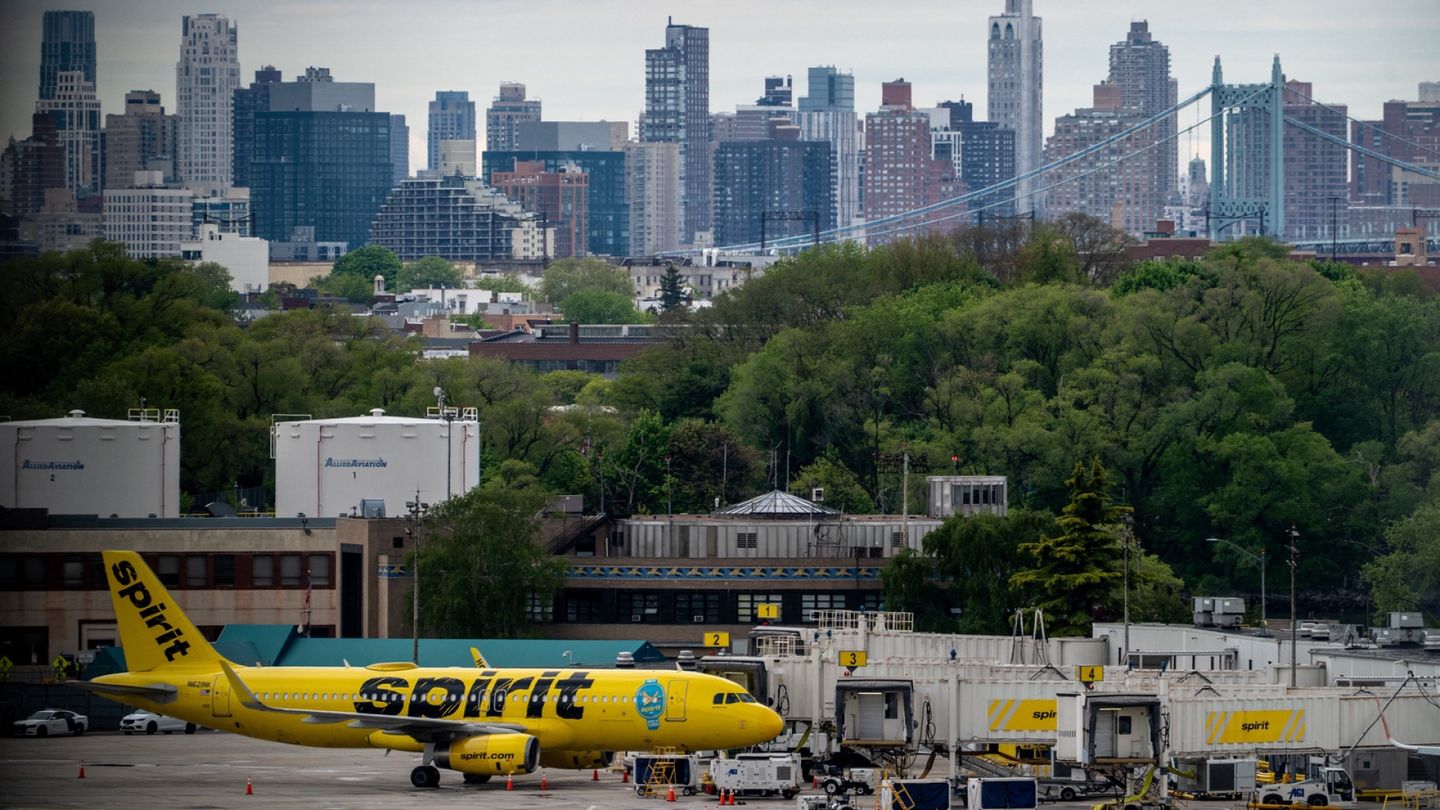
Spirit Airlines Collapses Amid Soaring Fuel Costs Linked to Iran Conflict
Translated from Finnish, summarized and contextualized by DistantNews.
TLDR
- US budget airline Spirit Airlines ceased operations on May 2nd, becoming the first major US airline bankruptcy since 2001.
- The airline's collapse is directly linked to a sharp increase in jet fuel prices following the conflict in Iran and the closure of the Strait of Hormuz.
- Experts warn that more airline bankruptcies could follow if fuel prices remain high, though Finnair is reportedly well-hedged against such price fluctuations.
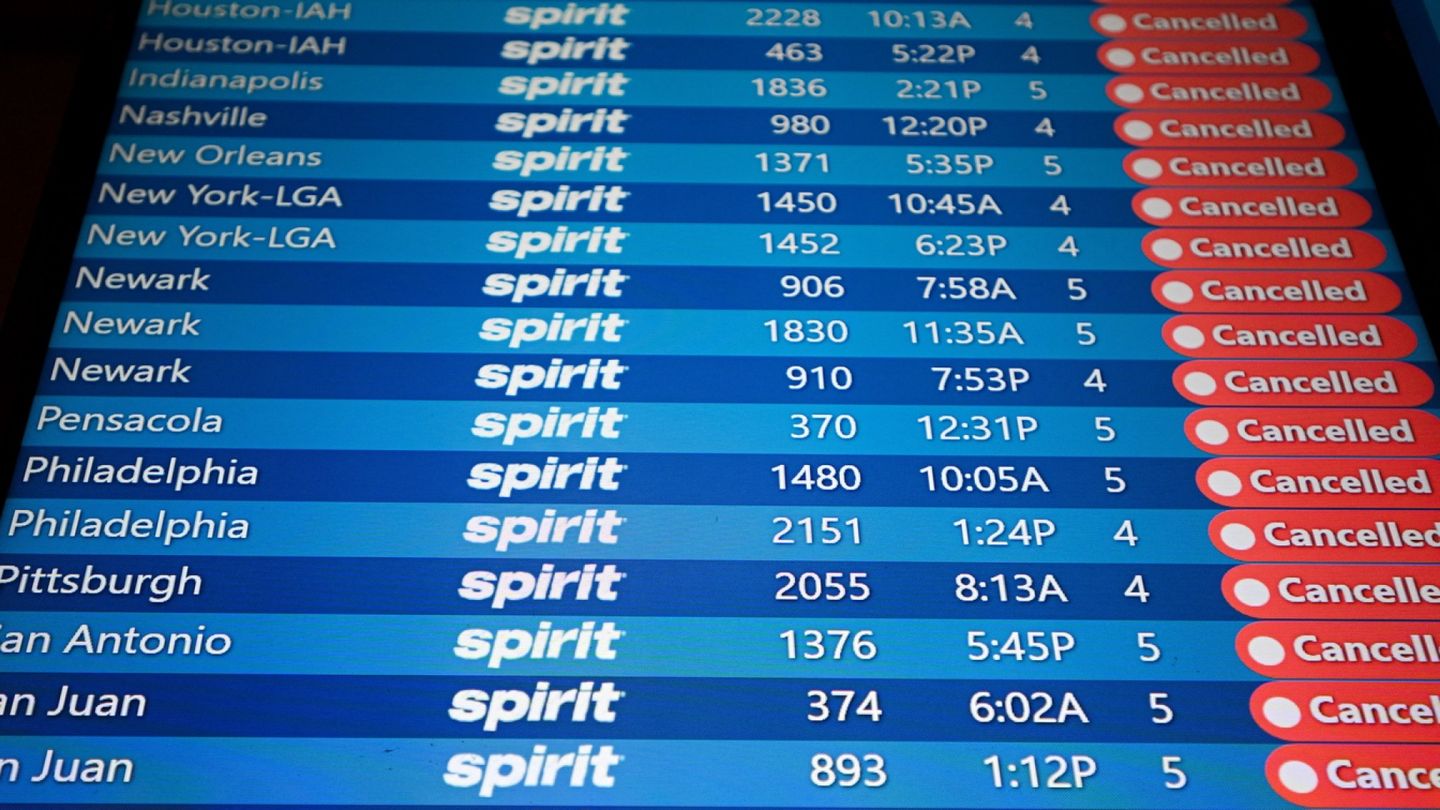
The bankruptcy of Spirit Airlines, the eighth-largest airline in the United States, marks a significant moment in the aviation industry, being the first major US carrier to collapse since 2001. This event is directly attributed to the escalating geopolitical tensions surrounding Iran and the subsequent surge in jet fuel prices.
There may be more bankruptcies to come if the Strait of Hormuz remains closed and fuel prices continue to rise.
Professor Jorma Mäntynen, a leading expert in transport and traffic technology, explains that the closure of the Strait of Hormuz, a critical chokepoint for global fuel supply, has led to a near doubling of jet fuel costs. This dramatic price increase proved to be the final blow for Spirit Airlines, which was already facing financial difficulties.
Mäntynen cautions that this may not be an isolated incident. He suggests that further bankruptcies within the airline sector are possible if fuel prices continue to climb and the Hormuz Strait remains inaccessible. This precarious situation could lead to a wave of insolvencies across the industry.
All signs indicate that the industry could face a larger wave of bankruptcies.
While the collapse of Spirit Airlines, which operated primarily within the US, Caribbean, and Latin America, will not directly impact Finnair's operations, the Finnish airline's strong position is noted. Finnair has reportedly hedged 82% of its fuel costs for the second quarter, providing a buffer against price volatility. However, the broader trend of rising airfare prices and flight cancellations by other European carriers like Lufthansa and SAS indicates a challenging environment for the global aviation sector.
The rise in fuel prices has been so steep that not everyone will survive.
DistantNews Editorial
Originally published by Helsingin Sanomat in Finnish. Translated, summarized, and contextualized by our editorial team with added local perspective. Read our editorial standards.
More Stories


From Our Blog

What Gets Lost (and Found) When News Is Translated

The Critical Role of Diaspora Media in Global News

What Travellers Should Know About Countries with Restricted Press

A Digital Nomad's Guide to Following Local News

How the Same Story Looks Different in Different Countries
