


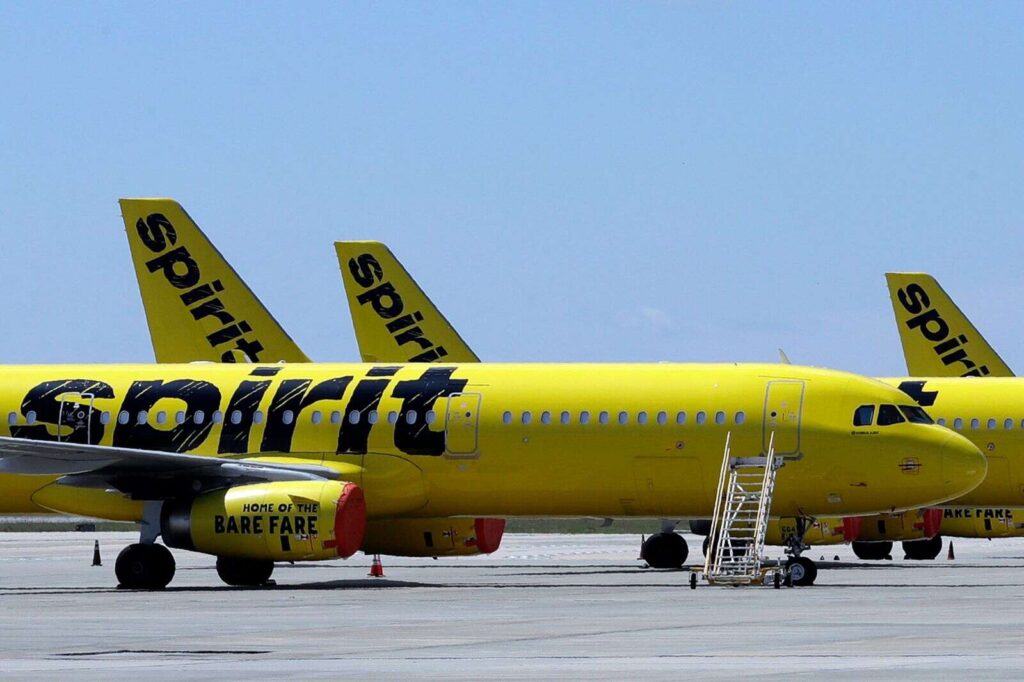
Spirit Airlines Winds Down Operations; US Carriers Step In
Translated from English, summarized and contextualized by DistantNews.
TLDR
- Spirit Airlines has ceased global operations effective immediately after last-minute talks with creditors and the White House failed.
- Other US carriers are offering
The collapse of Spirit Airlines marks a significant disruption in the US air travel landscape, leaving thousands of passengers stranded and employees facing an uncertain future. While the airline cites crushing fuel prices and a lack of additional funding as the reasons for its immediate wind-down, the failure to secure a bailout, despite White House consideration, points to deeper financial woes that have plagued the low-cost carrier for years.
The pain of this decision will not be felt in boardrooms. It will be felt by pilots, flight attendants, mechanics, dispatchers, and ground crews, and by the families and communities that depend on them.
Other major airlines have stepped in to assist Spirit's customers, offering 'rescue fares' and increasing capacity on routes where Spirit had a significant presence. This move not only helps stranded travelers but also allows competitors to capture a share of Spirit's market. The situation also presents an opportunity for other carriers to recruit Spirit's experienced staff, particularly pilots, flight attendants, and mechanics, who are now looking for new employment.
The Air Line Pilots Association and other unions representing Spirit employees have voiced their anger, emphasizing that the impact of this decision will be felt most acutely by the workers and their families, not by those in the boardrooms. This sentiment highlights the human cost of corporate failures and the precariousness of employment in the airline industry.
The president was like a dog on a bone trying to figure out a way to keep Spirit afloat.
US Transportation Secretary Sean Duffy defended the Trump administration's efforts, stating the president was determined to keep Spirit afloat. However, he also pointed to the creditors' final say in any deal and the significant financial commitment required for a bailout, suggesting that government intervention, while considered, was ultimately not feasible. The administration's inability to secure a bailout also raises questions about the effectiveness of government support for struggling industries, especially in the face of market pressures and creditor demands.
In the end, this was a creditor issue. Again, they have the final say of whether they want to do a deal with the government.
This event underscores the volatility of the low-cost airline sector, which operates on thin margins and is highly susceptible to economic downturns, rising fuel costs, and intense competition. Spirit's repeated struggles with bankruptcy in recent years served as a warning sign, and its ultimate demise serves as a stark reminder of the challenges facing airlines in a dynamic and often unforgiving market.
But also from the government’s perspective, we oftentimes don’t have a half a billion dollars laying around in a spare account that we can put into a bailout of an airline.
DistantNews Editorial
Originally published by Jamaica Observer in English. Translated, summarized, and contextualized by our editorial team with added local perspective. Read our editorial standards.
More Stories



From Our Blog

What Gets Lost (and Found) When News Is Translated

The Critical Role of Diaspora Media in Global News

What Travellers Should Know About Countries with Restricted Press

A Digital Nomad's Guide to Following Local News

How the Same Story Looks Different in Different Countries
