

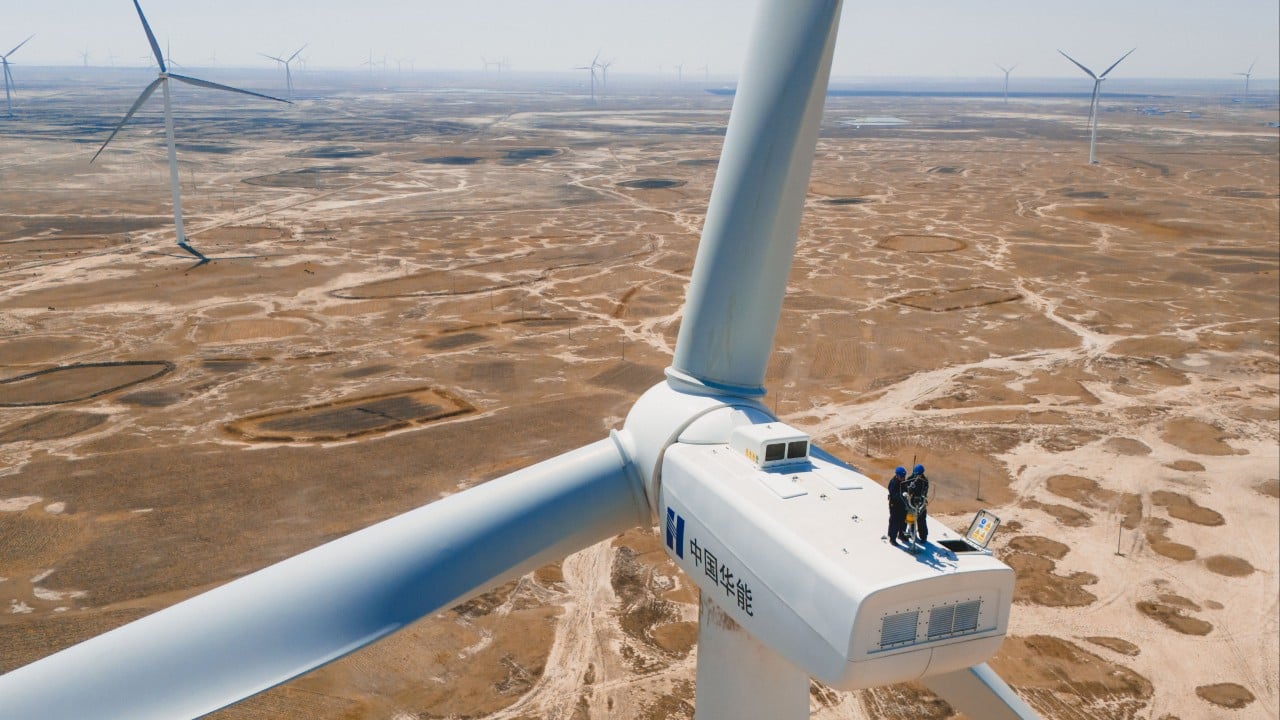

Spying in Xinjiang? No, I was reporting from China’s energy heartland
Summarized and contextualized by DistantNews.
At a glance
In-depth
Named sources
Context piece
- A journalist visited China's Xinjiang region to report on its coal-chemical industry, a sector benefiting from global energy supply disruptions.
- Access to Xinjiang, particularly its energy sector, proved challenging for journalists from non-state media outlets.
- The reporter observed large-scale, modern coal-chemical production facilities, including an open-pit coal mine in the Gobi Desert.
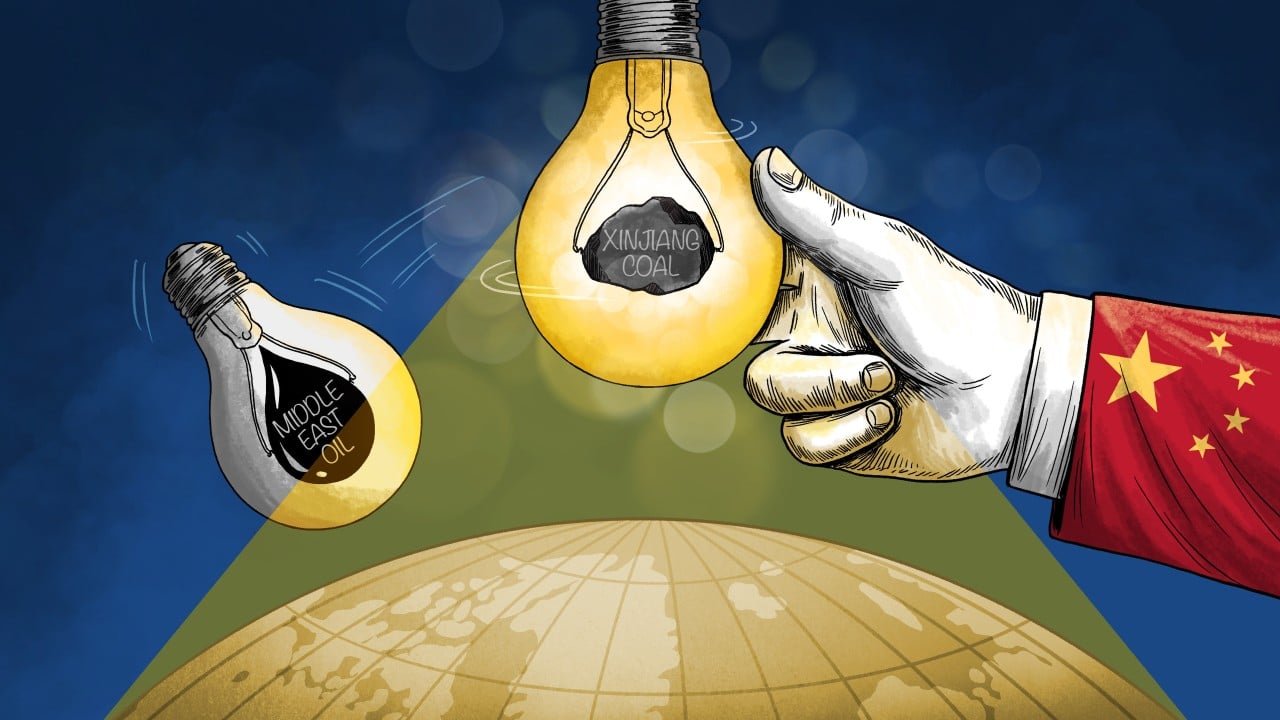
Amidst global oil and chemical supply disruptions stemming from the war in Iran, China's coal-heavy energy sector is experiencing an unprecedented boom. Dannie Peng, a journalist for a non-local, non-state media outlet, traveled to the Xinjiang Uygur autonomous region to document the operations of one of China's major coal-chemical production bases.
Peng's journey into Xinjiang's energy heartland, located on China's far western edge, revealed a vast and complex industrial landscape. Gaining access to the region, especially for reporting on its energy sector, presented significant hurdles. "As a journalist working for a non-local, non-state media outlet, gaining access to Xinjiang has never been easy, especially when it comes to its energy sector – a reality I began to understand even more deeply during my week there," Peng noted.
Her reporting began with a visit to a large open-pit coal mine in northeastern Changji Hui autonomous prefecture, approximately a four-hour drive from the regional capital, Urumqi. This mine alone produces over 20 million tonnes of coal annually. Upon arrival on the first evening, Peng described a stark contrast to urban environments: a wild, desolate landscape dominated by the mine within the vast expanse of the Gobi Desert.
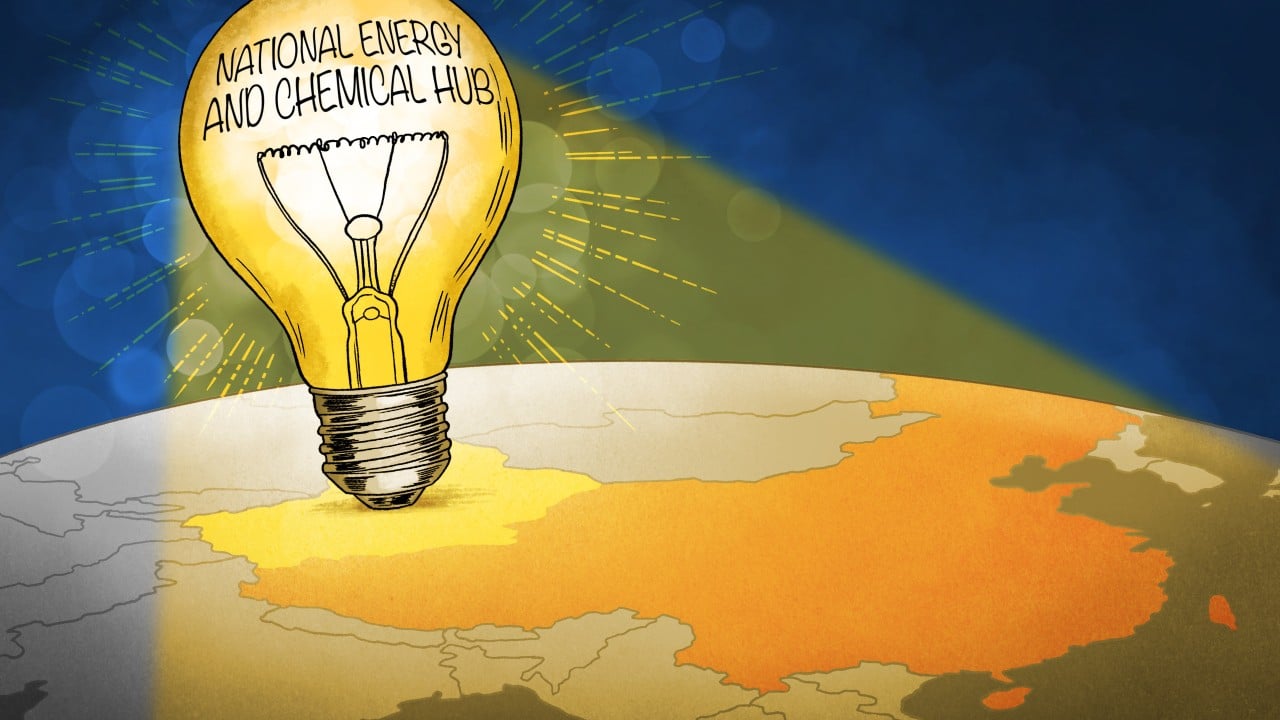
The trip aimed to explore the ecosystem of modern, large-scale coal chemical production in Xinjiang, one of four such major bases in China. The observations gathered during her visit form the basis of a two-part series, offering a glimpse into a critical sector of China's economy during a period of global energy market volatility.
As a journalist working for a non-local, non-state media outlet, gaining access to Xinjiang has never been easy, especially when it comes to its energy sector – a reality I began to understand even more deeply during my week there.
DistantNews Editorial
Originally published by South China Morning Post. Summarized and contextualized by our editorial team with added local perspective. Read our editorial standards.
More Stories
From Our Blog

Countries Without a Free Press: What You Need to Know

What Press Freedom Means for the News You Read

What Gets Lost (and Found) When News Is Translated

The Critical Role of Diaspora Media in Global News

What Travellers Should Know About Countries with Restricted Press
