


Starlink rival Qianfan hits satellite milestone, but is it too slow and costly?
Summarized and contextualized by DistantNews.
At a glance
News
Sources not specified
New plan
- China's Qianfan network has launched 201 broadband satellites, reaching a national milestone.
- Despite rapid launches, the deployment pace lags behind official targets, raising concerns about speed and cost.
- A source indicated that the company behind Qianfan sent a delegation to observe the latest launch.
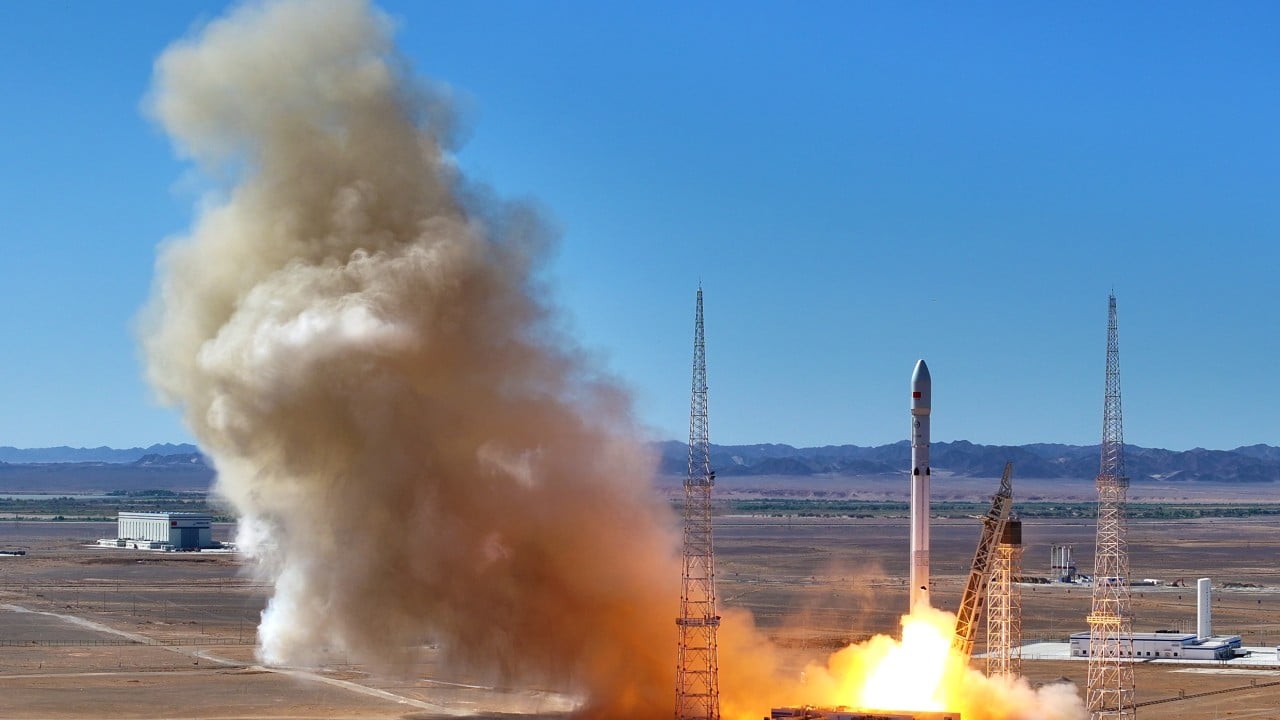
China's Qianfan satellite network has achieved a significant milestone by placing over 201 broadband satellites into orbit. The latest launch, which included a direct-to-cell test satellite, was carried aboard a Zhuque-2E rocket from the Gobi Desert. This follows two other successful launches last week that each deployed 18 Qianfan satellites.
However, the accelerated launch cadence has not been enough to meet the company's official targets. Concerns are mounting regarding the overall speed and cost of Qianfan's deployment, even as it aims to challenge existing satellite internet providers like Starlink. The company behind the network, Shanghai Spacecom Satellite Technology (SSST), sent a delegation to witness the recent launch, signaling continued focus on the project's progress.
The constellation now has 201 satellites after a successful launch on board a Zhuque-2E rocket from the Gobi Desert at 4.23pm Beijing time on Tuesday.
The rapid deployment highlights China's ambitions in the global satellite internet market. While the milestone is a technical achievement, the ongoing challenges of cost and speed suggest a complex path ahead for Qianfan as it seeks to establish a competitive presence.
SSST – the company behind Qianfan – had sent a delegation to watch Tuesday’s launch.
DistantNews Editorial
Originally published by South China Morning Post. Summarized and contextualized by our editorial team with added local perspective. Read our editorial standards.
More Stories


From Our Blog

Countries Without a Free Press: What You Need to Know

What Press Freedom Means for the News You Read

What Gets Lost (and Found) When News Is Translated

The Critical Role of Diaspora Media in Global News

What Travellers Should Know About Countries with Restricted Press
