

Students Suffer Food Poisoning in Ho Chi Minh City School Incidents
Translated from Vietnamese, summarized and contextualized by DistantNews.
TLDR
- Multiple students in Ho Chi Minh City have suffered food poisoning incidents, raising concerns about food safety in schools.
- Recent cases include students from Dang Thuy Tram Primary School and Binh Quoi Tay Primary School falling ill after consuming school meals.
- Authorities are emphasizing the need for stricter supervision and preventative measures, particularly during hot weather when food spoilage risks increase.
A series of alarming food poisoning incidents affecting students in Ho Chi Minh City has cast a stark spotlight on the critical issue of food safety within educational institutions. The recent cases, involving students from Dang Thuy Tram Primary School and Binh Quoi Tay Primary School, have sent ripples of concern through the community, highlighting a persistent vulnerability in school meal services.
The issue of ensuring food safety in collective kitchens such as schools and hospitals or businesses is always of special concern to regulatory agencies, especially in the educational environment, but in reality, we cannot be absolutely reassured.
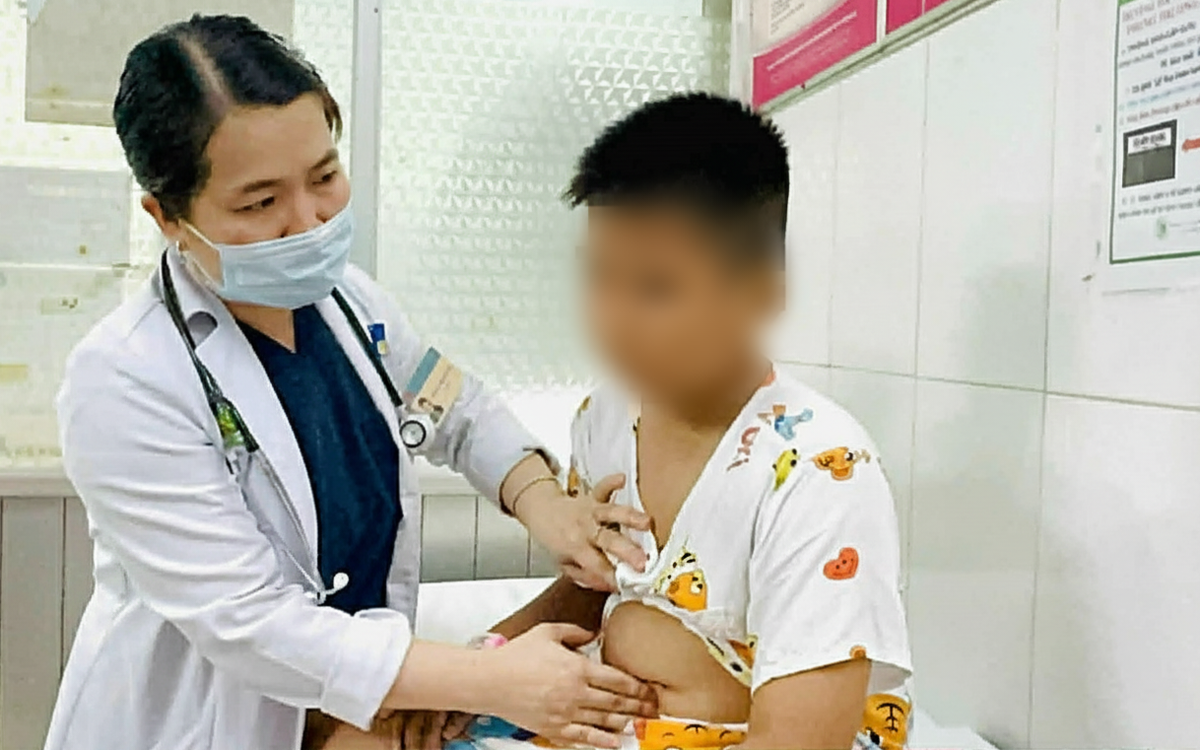
In one particularly distressing incident at Dang Thuy Tram Primary School, several students were hospitalized with severe symptoms, including high fever, dehydration, shock, and convulsions. Fortunately, intensive medical care led to the recovery of the affected students. Prior to this, an outbreak at Binh Quoi Tay Primary School resulted in 266 students falling ill, with 190 requiring hospitalization after consuming their midday meals on April 7.
The responsibility does not only lie with the business but also with the school, especially the principal, who is the highest responsible person if an incident occurs.
Pham Khanh Phong Lan, Director of the Ho Chi Minh City Food Safety Department, acknowledged that while food safety in collective kitchens, such as those in schools, is a priority, absolute assurance remains elusive. She stressed that responsibility extends beyond food providers to include school administrators, particularly principals, who bear the ultimate accountability. Lan also underscored the heightened risk of food spoilage during the hot and humid climate, necessitating a collaborative effort involving authorities, schools, parents, the media, and the community to effectively prevent such occurrences. The incidents serve as a critical reminder that vigilance and robust preventative strategies are paramount in safeguarding the health and well-being of students.
With the hot and humid climate, the risk of food spoilage and deterioration is very high. Especially with large quantities of food in processing facilities, it is impossible to ensure 100% absolute control, requiring the cooperation of many parties, including the press and the community, to prevent food poisoning in collective kitchens.
DistantNews Editorial
Originally published by Tuổi Trẻ in Vietnamese. Translated, summarized, and contextualized by our editorial team with added local perspective. Read our editorial standards.
More Stories

From Our Blog

What Gets Lost (and Found) When News Is Translated

The Critical Role of Diaspora Media in Global News

What Travellers Should Know About Countries with Restricted Press

A Digital Nomad's Guide to Following Local News

How the Same Story Looks Different in Different Countries
