


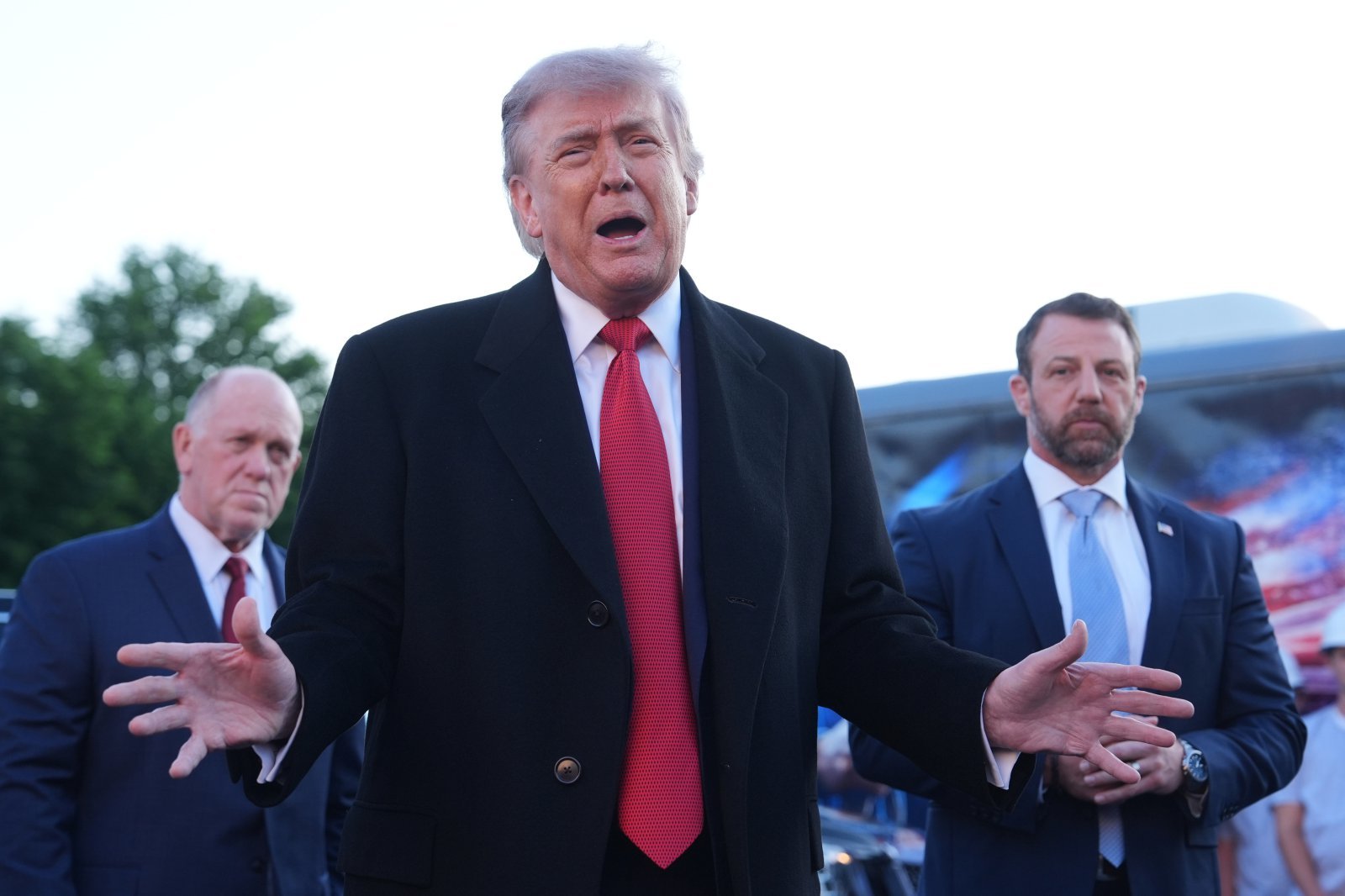
Taxes Cut, Defense Spending Soars: US National Debt Exceeds Economic Size
Translated from Korean, summarized and contextualized by DistantNews.
TLDR
- The United States' national debt has reportedly surpassed its Gross Domestic Product (GDP), a level not seen since World War II and the COVID-19 pandemic.
- This fiscal imbalance is attributed to a combination of tax cuts, increased military spending, and rising social security and healthcare costs due to an aging population.
- While immediate crisis is not predicted, experts warn that a debt growing faster than the economy could lead to higher interest rates and increased government borrowing costs.
The United States is facing a stark fiscal reality as its national debt is estimated to have exceeded its economic output, a concerning milestone not seen in decades. This situation, fueled by a combination of tax cuts enacted during the Trump administration, substantial increases in defense spending, and the long-term pressures of an aging population on social programs, has placed a significant strain on America's finances.
While the immediate threat of a fiscal crisis may not be apparent, with the economy showing resilience and potential for spending growth to moderate, the trajectory is deeply worrying. The Congressional Budget Office has projected that annual deficits could approach $2 trillion by fiscal year 2026, a figure that would represent an increase from previous years. This sustained deficit spending, coupled with the potential for tax cuts to widen the gap, paints a grim picture for future fiscal health.
the debt level is a 'red warning light' for the economy
Experts caution that if the national debt continues to outpace economic growth, investors may demand higher yields on U.S. Treasury bonds, thereby increasing the government's interest payments. This creates a dangerous feedback loop where servicing the debt becomes a larger and larger portion of the national budget, crowding out other essential investments. The sheer scale of U.S. debt, even when compared to countries like Japan or Greece, carries far greater global implications due to the dollar's status as the world's primary reserve currency.
Lawmakers on both sides of the aisle have acknowledged the severity of the situation, with some labeling the debt level a "red warning light" for the economy. However, concrete bipartisan action to address the burgeoning deficit remains elusive, leaving the nation on a precarious fiscal path. The implications extend beyond government finances, as rising Treasury yields can translate into higher borrowing costs for consumers and businesses alike, potentially dampening economic activity.
both parties are driving America's finances toward a cliff
DistantNews Editorial
Originally published by Dong-A Ilbo in Korean. Translated, summarized, and contextualized by our editorial team with added local perspective. Read our editorial standards.
More Stories



From Our Blog

What Gets Lost (and Found) When News Is Translated

The Critical Role of Diaspora Media in Global News

What Travellers Should Know About Countries with Restricted Press

A Digital Nomad's Guide to Following Local News

How the Same Story Looks Different in Different Countries
