

Tether Slows Gold Purchases for USDT Reserves in First Quarter
Translated from English, summarized and contextualized by DistantNews.
TLDR
- Tether, the issuer of the world's largest stablecoin USDT, significantly reduced its gold purchases for reserves in the first quarter of the year.
- The company acquired approximately 6 metric tons of gold, a sharp decrease from the 27 tons purchased in the previous quarter.
- Despite the slowdown, Tether's reserves backing USDT now hold gold worth $19.8 billion, representing about 10% of the total reserves, which are predominantly U.S. Treasury Bills.
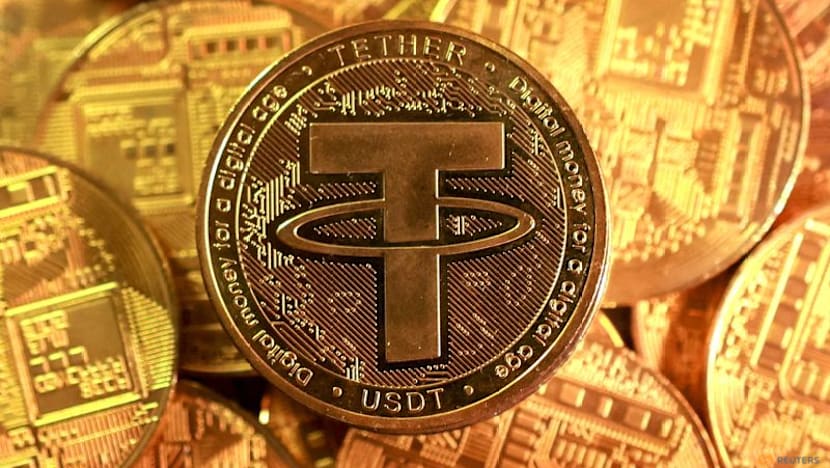
Tether, the entity behind the dominant USDT stablecoin, has notably scaled back its gold acquisitions in the first quarter of 2024. Data from its latest quarterly report reveals a substantial drop in gold purchases, with the company acquiring only about 6 metric tons, a significant deceleration from the 27 tons secured in the preceding quarter.
This strategic shift in reserve management comes after Tether emerged as a considerable gold buyer throughout the previous year. The company's stablecoins, USDT and the XAUT gold token, are backed by reserves intended to maintain their peg to the U.S. dollar or gold, respectively. While USDT is primarily backed by U.S. Treasury bills, gold has become an increasingly important component of its reserves.
As of the end of March, Tether's reserves backing USDT held gold valued at $19.8 billion. This constitutes approximately 132 metric tons, making up about 10% of the total reserves. The bulk of these reserves, however, remains in U.S. Treasury Bills, valued at $117 billion, with Bitcoin accounting for $7 billion. For its XAUT token, Tether holds an additional 22 tons of gold. In total, Tether's gold holdings across both products amount to 154 tons, placing it among the top global gold reserve holders if it were a nation-state.
It just did not work
DistantNews Editorial
Originally published by CNA in English. Translated, summarized, and contextualized by our editorial team with added local perspective. Read our editorial standards.
More Stories

From Our Blog

What Gets Lost (and Found) When News Is Translated

The Critical Role of Diaspora Media in Global News

What Travellers Should Know About Countries with Restricted Press

A Digital Nomad's Guide to Following Local News

How the Same Story Looks Different in Different Countries
