


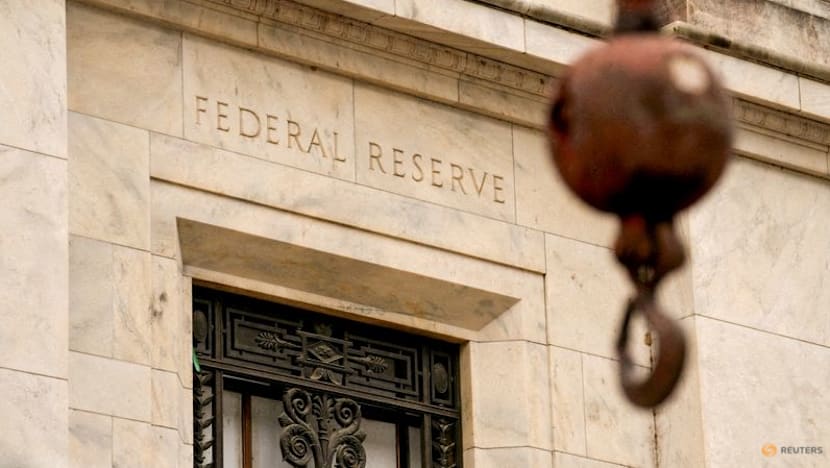
US Fed Official Warns Rate Hikes May Be Needed Amid Inflation Fears
Translated from English, summarized and contextualized by DistantNews.
TLDR
- A key US Federal Reserve official warned that interest rate hikes may be necessary if inflation worsens due to the Middle East conflict.
- Minneapolis Fed President Neel Kashkari indicated that a series of rate increases could be warranted, even at the risk of further labor market weakness.
- Several Fed officials dissented from the latest policy decision, highlighting concerns about persistent inflation and the potential impact of energy price shocks.
The US Federal Reserve faces a precarious balancing act as inflation concerns resurface, fueled by geopolitical instability in the Middle East. Minneapolis Fed President Neel Kashkari has issued a stark warning: further interest rate hikes may be on the table if price shocks stemming from the conflict escalate beyond current expectations. This stance, a departure from the central bank's recent decision to hold rates steady, underscores a growing unease among some policymakers about the trajectory of inflation.
Federal funds rate increases, potentially a series of them, could be warranted, even at the risk of further weakness to the labour market.
Kashkari's dissent, joined by other regional Fed presidents, signals a significant divergence within the rate-setting committee. While the majority opted for a pause, the dissenting voices argue for a more flexible policy outlook, one that acknowledges the possibility of both rate cuts and hikes depending on evolving economic conditions. Their concern centers on the potential for inflation expectations to become unanchored, particularly if the conflict leads to sustained disruptions in energy and commodity markets, such as a prolonged closure of the Strait of Hormuz.
I dissented from the post-meeting statement because I did not believe it was appropriate to include an easing bias around the future path for monetary policy.
This internal debate within the Fed is particularly noteworthy, occurring against a backdrop of political pressure from President Trump, who has consistently advocated for lower interest rates. The high number of dissents, the most since 1992, suggests that the incoming leadership, potentially Kevin Warsh, will inherit a complex and divided committee. The challenge lies in navigating the delicate path between controlling inflation and supporting economic growth, a task made more difficult by unpredictable global events. For observers, it highlights the Federal Reserve's struggle to maintain its independence and credibility amidst competing economic and political forces.
Inflation pressures continue to be broad based, and rising oil prices present an additional source of inflationary pressure.
DistantNews Editorial
Originally published by CNA in English. Translated, summarized, and contextualized by our editorial team with added local perspective. Read our editorial standards.
More Stories
From Our Blog

What Gets Lost (and Found) When News Is Translated

The Critical Role of Diaspora Media in Global News

What Travellers Should Know About Countries with Restricted Press

A Digital Nomad's Guide to Following Local News

How the Same Story Looks Different in Different Countries
