

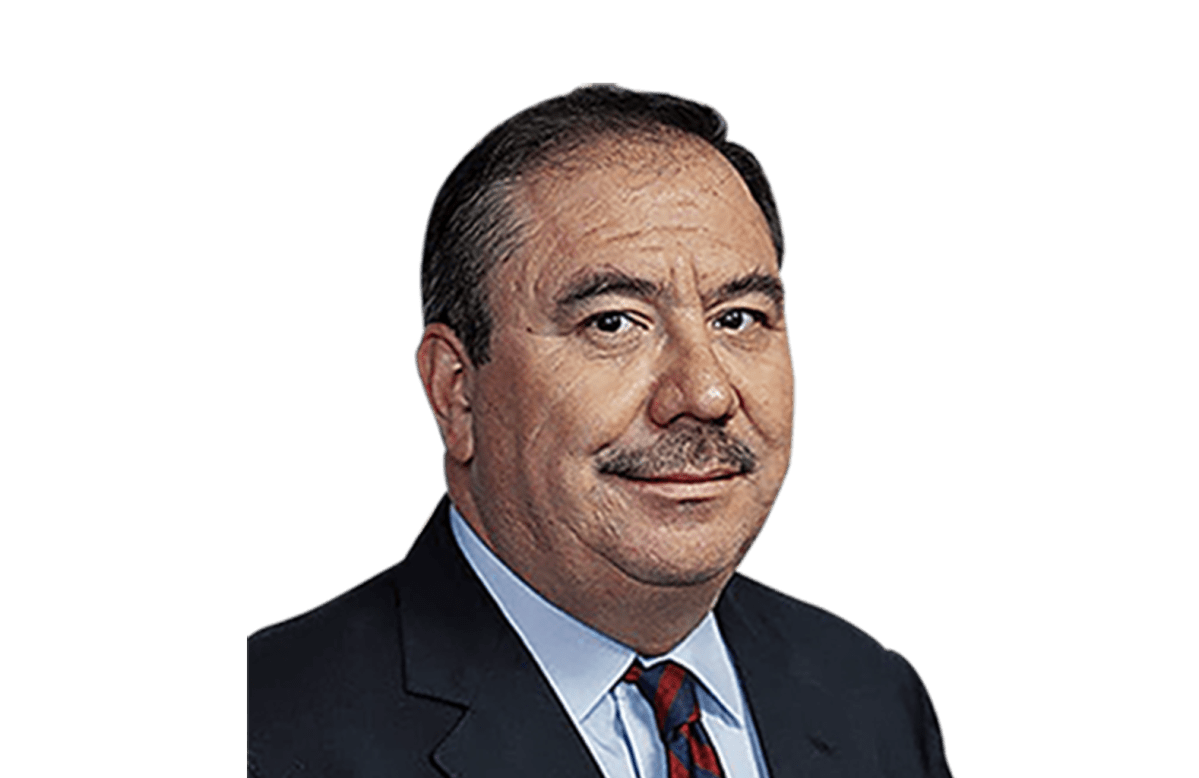
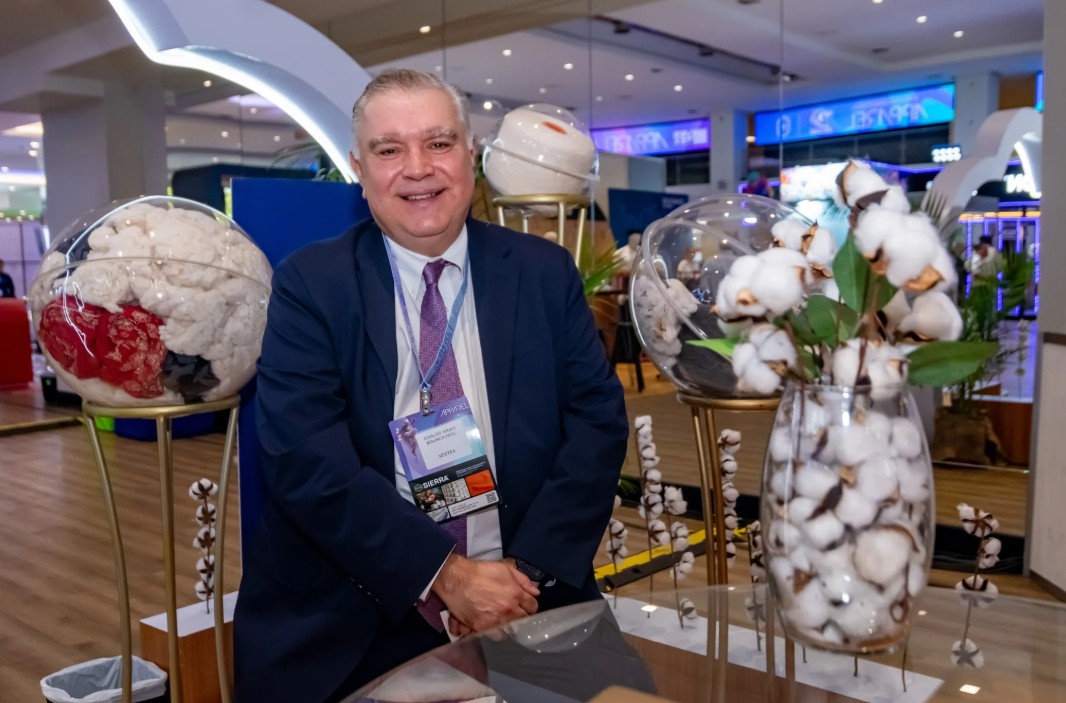
Textile Entrepreneur Carlos Arias Bouscayrol Assumes CACIF Presidency for 2026-2027
Translated from Spanish, summarized and contextualized by DistantNews.
TLDR
- Textile businessman Carlos Arias Bouscayrol assumed the presidency of CACIF for the 2026-2027 term.
- He will oversee the upcoming general elections and monitor key legislation, including port and anti-money laundering laws.
- External factors like US trade policy and global economic impacts from geopolitical conflicts are also on the agenda.
Guatemala's private sector has a new leader at the helm of CACIF, the Coordinating Committee of Agricultural, Commercial, Industrial, and Financial Associations. Carlos Roberto Arias Bouscayrol, a prominent textile businessman and current vice president of the Guatemalan Association of Exporters (Agexport), officially took over the presidency for the 2026-2027 term on April 13th. He succeeds Charles Bland, who concluded his tenure leading the organization.
Arias Bouscayrol's agenda is packed with critical issues facing the nation. A primary focus will be observing and ensuring the integrity of the general elections scheduled for next year. Additionally, his leadership will involve monitoring the progress and implementation of significant legislation currently under discussion in the Congress of the Republic, such as the Port Law and the Anti-Money Laundering Law. The private sector also awaits the future appointments of key monetary authorities and the Superintendent of Banks (SIB).
The new CACIF president's responsibilities extend beyond domestic policy. The organization will also track initiatives aimed at improving Guatemala's critical infrastructure, including ongoing projects by the U.S. Army Corps of Engineers. Externally, CACIF will be closely monitoring U.S. tariff and immigration policies, as well as the broader global economic repercussions stemming from international geopolitical conflicts, which have already led to increased oil prices and costs for essential inputs.
DistantNews Editorial
Originally published by Prensa Libre in Spanish. Translated, summarized, and contextualized by our editorial team with added local perspective. Read our editorial standards.
More Stories


From Our Blog

What Gets Lost (and Found) When News Is Translated

The Critical Role of Diaspora Media in Global News

What Travellers Should Know About Countries with Restricted Press

A Digital Nomad's Guide to Following Local News

How the Same Story Looks Different in Different Countries
