

The Chinese AI police tech aimed at physical, psychological and emotional states
Summarized and contextualized by DistantNews.
At a glance
News
Sources not specified
Context piece
- Chinese AI technology can now assess suspects' physical health, mental state, and risk levels, as demonstrated at a Beijing expo.
- Companies claim this biometric equipment can reduce police manpower needs and improve efficiency.
- The technology, including cameras that measure vital signs, aims to assist law enforcement both domestically and internationally.
Chinese artificial intelligence technology capable of assessing suspects' physical health, mental state, and risk levels was showcased at a recent law enforcement equipment exhibition in Beijing. Firms presented biometric devices designed to enhance police efficiency and address shortages of frontline officers.
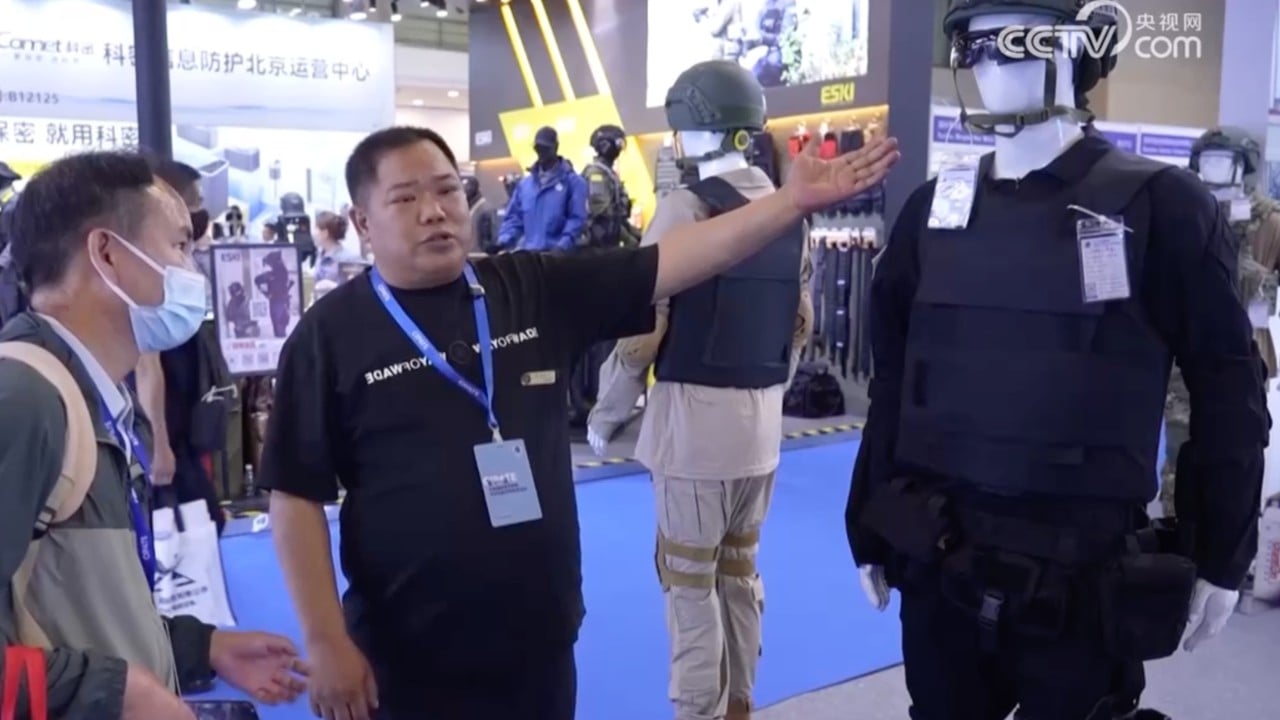
Exhibitors at the international police and anti-terrorism technology expo, which concluded on Saturday, aimed to introduce the latest law enforcement equipment to global police forces. Notably, Indonesia expressed interest in Chinese counterterrorism gear during the event.
Among the featured technologies was a camera developed by Tiandy, a video surveillance supplier. This camera can assess the vital signs of up to six individuals simultaneously, including heart rate, blood pressure, blood oxygen level, and blood flow rate. According to Tiandy, the system achieves over 90% accuracy after about 10 seconds of scanning, displaying results alongside live images, with abnormalities highlighted in yellow or red.
Tiandy suggested the technology is best suited for interrogation waiting areas, where multiple cameras could monitor numerous individuals. The system can track detainees' locations, alert to medical emergencies, and flag irregular policing conduct, such as unattended detainees or interrogations conducted by a single officer, thereby helping to enforce protocols.
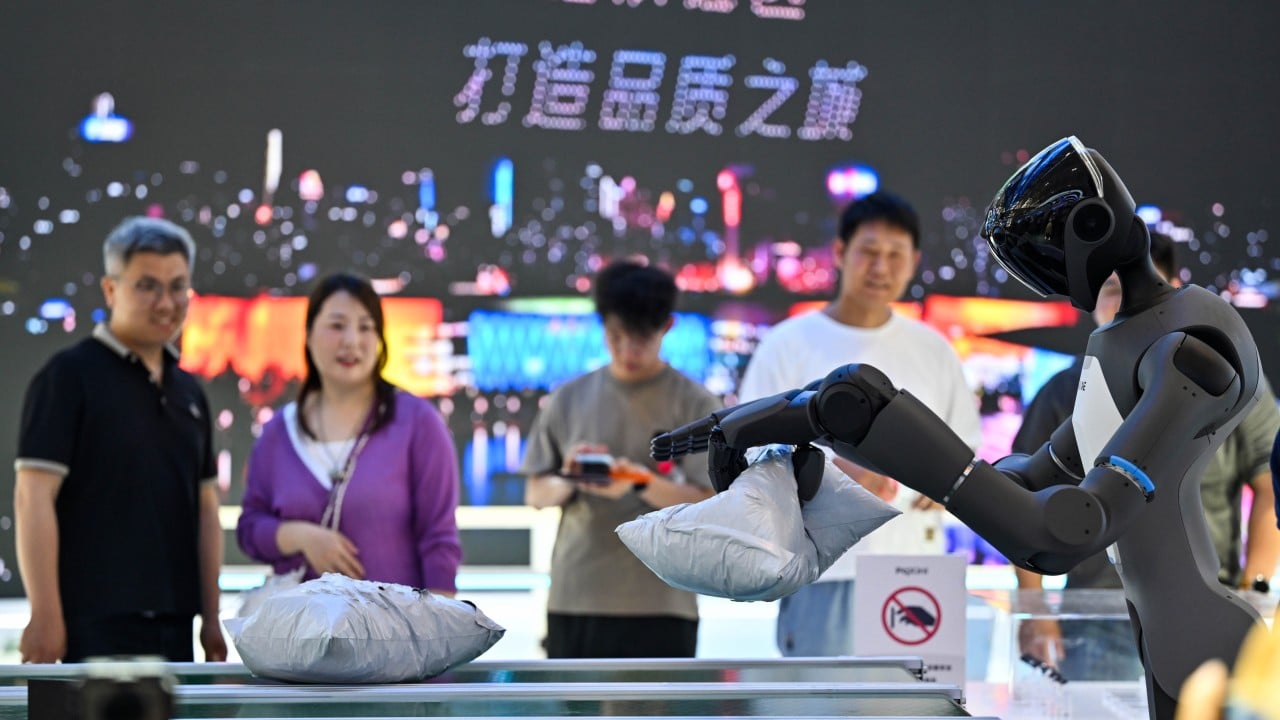
The exhibition also highlighted humanoid traffic police robots deployed in Hangzhou, China's tech hub, indicating a broader trend of AI integration in public safety and law enforcement.
DistantNews Editorial
Originally published by South China Morning Post. Summarized and contextualized by our editorial team with added local perspective. Read our editorial standards.
More Stories


From Our Blog

Countries Without a Free Press: What You Need to Know

What Press Freedom Means for the News You Read

What Gets Lost (and Found) When News Is Translated

The Critical Role of Diaspora Media in Global News

What Travellers Should Know About Countries with Restricted Press
