


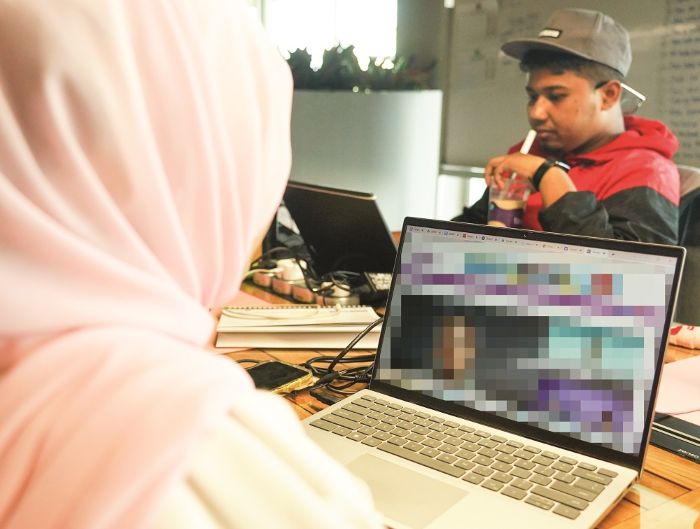
The Danger of Fake Experts in the Era of Algorithmic Authority
Translated from Malay, summarized and contextualized by DistantNews.
TLDR
- In the digital age, society is increasingly exposed to 'fake experts' whose claims lack rigorous research, peer review, or institutional accountability.
- Social media algorithms prioritize engagement over accuracy, elevating unverified voices and blurring the lines between confidence and expertise.
- This phenomenon is particularly dangerous in sensitive fields like criminology and counter-terrorism, potentially leading to flawed public policy and a general erosion of trust in knowledge.
The proliferation of 'fake experts' in our increasingly interconnected world presents a significant challenge to the integrity of public discourse. Utusan Malaysia recognizes that while the internet offers unprecedented access to information, it also serves as a fertile ground for individuals to claim expertise without the requisite qualifications or ethical grounding. The traditional gatekeepers of knowledge – universities, peer-reviewed journals, and professional bodies – are being bypassed as social media platforms amplify content based on virality rather than veracity.
This shift is deeply concerning, especially when it impacts critical areas such as public health, safety, and policy. When unverified voices, often mimicking academic language and citing sources selectively, gain traction, they can distort public understanding and lead to misguided decisions. The article rightly points out that credibility in academia is built upon a rigorous process of empirical research, critical analysis, and peer validation. Simply presenting information confidently or mimicking the outward forms of expertise is not sufficient to establish genuine authority. This distinction is crucial for maintaining a society that values evidence-based reasoning.
The danger is amplified in fields that demand a high degree of accuracy and ethical consideration, such as criminology, terrorism studies, and human trafficking. In these domains, misinformation can have severe real-world consequences, potentially influencing policy and public perception in detrimental ways. The erosion of trust in genuine expertise is a grave concern, as it leaves society vulnerable to manipulation and undermines the very foundations of informed decision-making. Utusan Malaysia believes that fostering media literacy and critical thinking skills among the public is essential to navigate this complex information landscape.
From a Malaysian perspective, the challenge lies in ensuring that public discourse remains grounded in credible knowledge, especially when addressing sensitive national issues. While international platforms may focus on the technological aspects of algorithms, our concern is the tangible impact on societal understanding and trust. It is imperative for institutions, including the media and NGOs, to exercise due diligence in identifying and amplifying genuine expertise, thereby safeguarding the public against the corrosive influence of misinformation and upholding the value of rigorous scholarship.
DistantNews Editorial
Originally published by Utusan Malaysia in Malay. Translated, summarized, and contextualized by our editorial team with added local perspective. Read our editorial standards.
More Stories



From Our Blog

What Gets Lost (and Found) When News Is Translated

The Critical Role of Diaspora Media in Global News

What Travellers Should Know About Countries with Restricted Press

A Digital Nomad's Guide to Following Local News

How the Same Story Looks Different in Different Countries
