


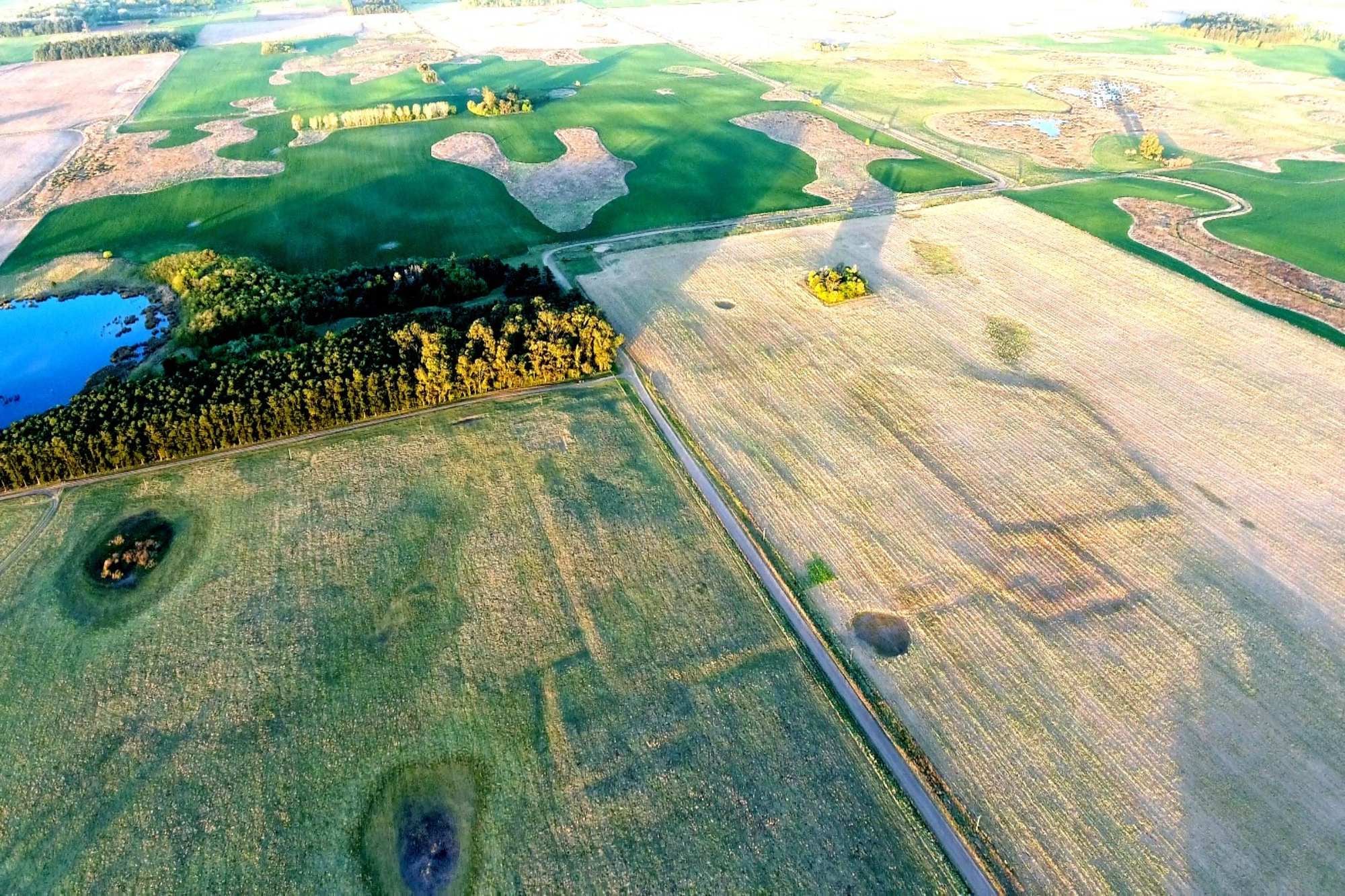
The fort of bizarre French design that existed in the middle of the Pampas plain
Translated from Spanish, summarized and contextualized by DistantNews.
TLDR
- The Fuerte Cruz de Guerra, built in 1827 in Argentina's Buenos Aires province, featured an unusual star-shaped design by French engineer Narciso Parchappe.
- This design, intended for defense against artillery, was atypical for the frontier forts of the era, which primarily faced indigenous cavalry.
- The fort's construction involved Brazilian prisoners of war and faced challenges with supplies and harsh living conditions for the workers.
The story of Fuerte Cruz de Guerra, unearthed from the plains of Buenos Aires province, offers a fascinating glimpse into Argentina's early military architecture and the complex frontier dynamics of the 19th century. Its existence, a mere decade after the declaration of Independence, speaks to the nascent nation's efforts to establish and defend its territory.
What makes this fort particularly intriguing is its departure from the conventional designs of its time. Engineer Narciso Parchappe's star-shaped, four-bulwark plan was a European military standard, conceived for battles against artillery-equipped armies. Yet, it was erected in a region where the primary threat was indigenous cavalry, armed with lances and bolas. This architectural choice, while perhaps reflecting European military thinking, seems almost anachronistic in the context of the Pampas frontier wars.
Furthermore, the construction itself was a product of its time, involving Brazilian prisoners from the recent war against the Empire of Brazil. The engineer's own account of hardship – enduring a diet of only meat and water, lacking basic provisions like salt and adequate shelter – paints a vivid picture of the challenging conditions faced by those building these foundational structures. This historical footnote, preserved in La Nación, reminds us of the human cost behind the symbols of national defense and the unique blend of European influence and local realities that shaped early Argentine history.
My health is quite altered, as is that of my assistant due to what we have suffered on this expedition, having had only meat and water for food since we entered the campaign, most of the time without salt, and remaining until now without the slightest shelter, against the rigor of the season. The expedition brings no rations despite assurances to the contrary… I must inform the Department that, even if I improve and am able to continue the expedition, I will not be able to do so without being provided with my personal rations, and without being facilitated a way to obtain some...
DistantNews Editorial
Originally published by La Nación in Spanish. Translated, summarized, and contextualized by our editorial team with added local perspective. Read our editorial standards.
More Stories



From Our Blog

What Gets Lost (and Found) When News Is Translated

The Critical Role of Diaspora Media in Global News

What Travellers Should Know About Countries with Restricted Press

A Digital Nomad's Guide to Following Local News

How the Same Story Looks Different in Different Countries
