

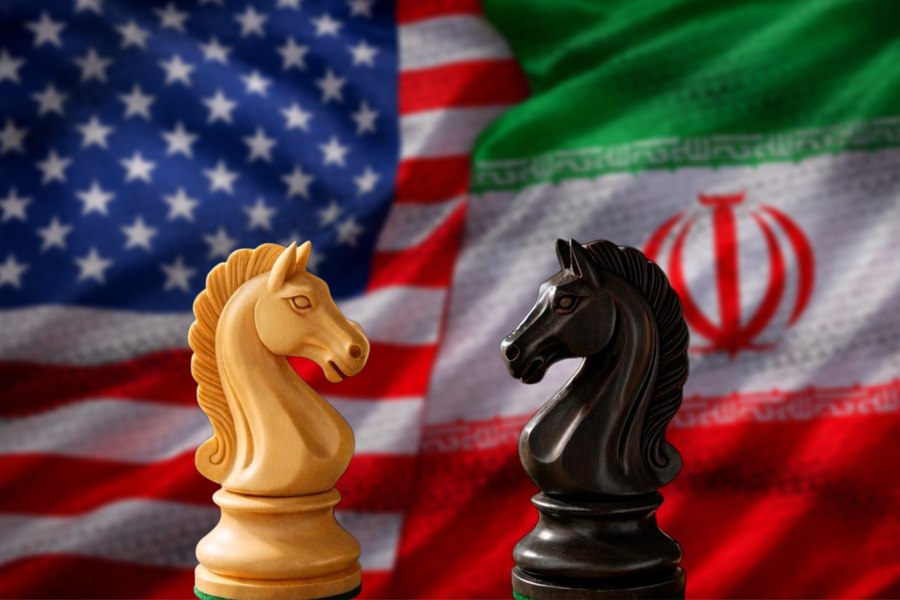
The Iran War has turned maritime routes into pieces on a global chessboard. How the stakes are being reconfigured for the US and China
Translated from Romanian, summarized and contextualized by DistantNews.
TLDR
- Geopolitical experts and economists view the conflict in Iran and its impact on the Strait of Hormuz as a key move in a larger global "cold war" aimed at China.
- The US is strategically expanding its influence over vital maritime routes worldwide, not just Hormuz, to counter China's economic dependence on energy imports.
- This strategy, framed by the White House as the "Donroe Doctrine," aims to encircle China and potentially deter aggressive actions without direct military conflict.
This analysis from Adevărul positions the Strait of Hormuz conflict not as a regional dispute but as a critical theater in a global geopolitical struggle, primarily between the United States and China. The framing emphasizes the strategic importance of maritime routes for global trade and energy supply, portraying the US as a calculating player using economic and strategic pressure to contain China's rise.
SUA exercită presiune și vizează clar punctele slabe reflectate în aceste noduri - sau strâmtori - ale tranzitului global
The article highlights how events in the Middle East, like the Iran conflict, are inextricably linked to broader superpower competition. It suggests that while headlines focus on Hormuz, the US is simultaneously tightening its grip on other crucial waterways from the Panama Canal to the Strait of Malacca. This paints a picture of a meticulously planned, multi-pronged strategy by the US to exert control and influence.
Sunt rutele maritime de care China depinde pentru a-și menține preeminența economică.
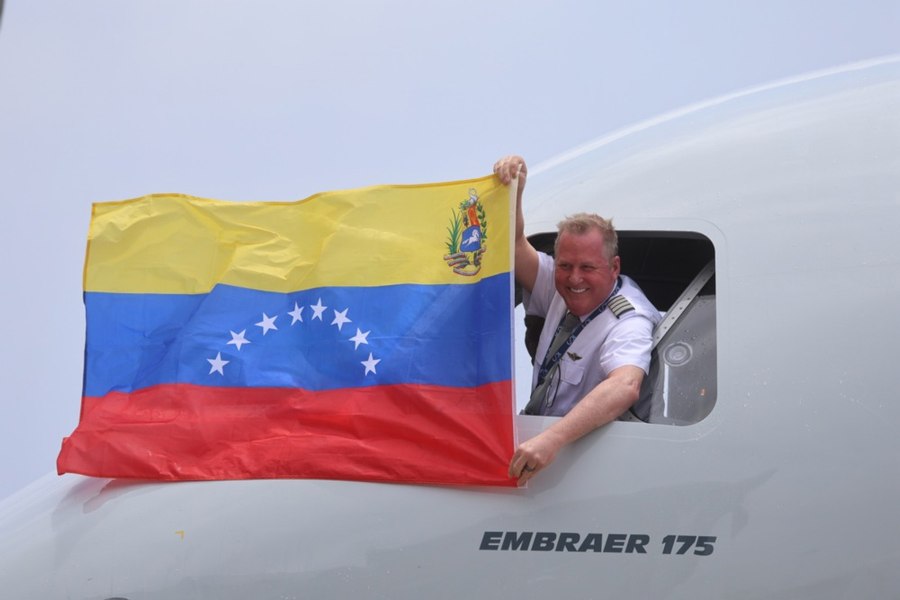
The perspective adopted is one that sees international relations through the lens of strategic competition, where economic leverage and control over supply chains are paramount. The mention of the "Donroe Doctrine" and the US's actions in Venezuela further underscore this view of American assertiveness in shaping the global order, particularly in its own hemisphere and beyond.
SUA încearcă, în ultimele luni, să își impună controlul asupra acestor zone, ca o modalitate de a încercui China
From a Romanian perspective, this analysis likely resonates with concerns about global stability and the shifting balance of power. The emphasis on energy security and the strategic importance of trade routes would be particularly relevant, given Romania's position in Eastern Europe and its own energy considerations. The article implicitly suggests that smaller nations are caught in the crosscurrents of these larger power plays, making understanding these global dynamics crucial.
Nu trebuie să ducă la un război direct; poate fi doar o manevră de blocare. Dacă SUA pot amenința că taie accesul Chinei la energie, atunci Beijingul va fi mai prudent în acțiuni precum o invazie a Taiwanului.
DistantNews Editorial
Originally published by Adevărul in Romanian. Translated, summarized, and contextualized by our editorial team with added local perspective. Read our editorial standards.
More Stories

From Our Blog

What Gets Lost (and Found) When News Is Translated

The Critical Role of Diaspora Media in Global News

What Travellers Should Know About Countries with Restricted Press

A Digital Nomad's Guide to Following Local News

How the Same Story Looks Different in Different Countries
