

The Truth About May Day: How a Solemn Commemoration Turned into a Barbecue and Beer Festival
Translated from Romanian, summarized and contextualized by DistantNews.
TLDR
- International Workers' Day, May 1st, has largely lost its original meaning as a symbol of the labor movement.
- Today, it's primarily associated with barbecues, food, and outdoor gatherings in Romania and over 90 other countries.
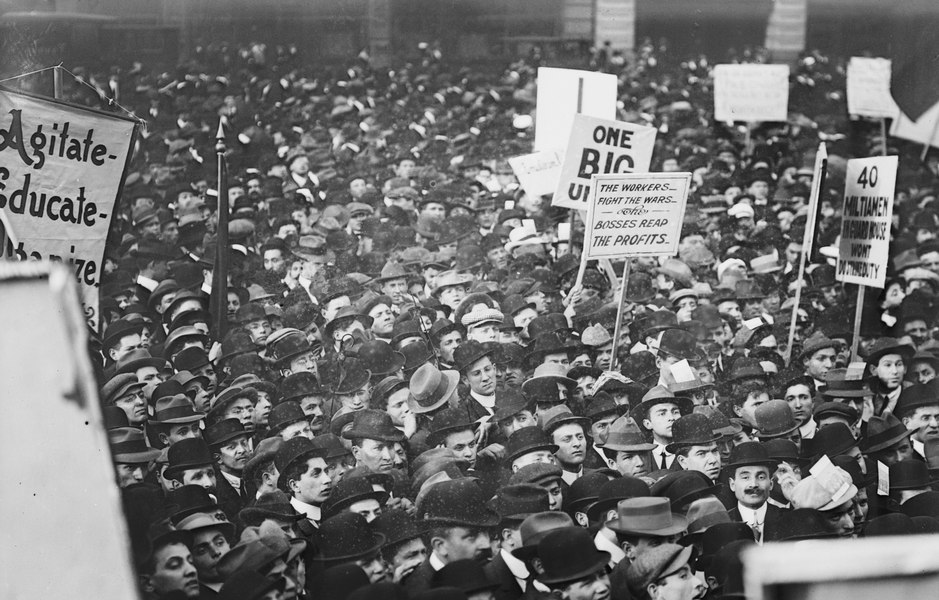
- Historically, May 1st marked significant protests and demands for better working conditions and the eight-hour workday, stemming from the harsh realities of the Industrial Revolution.
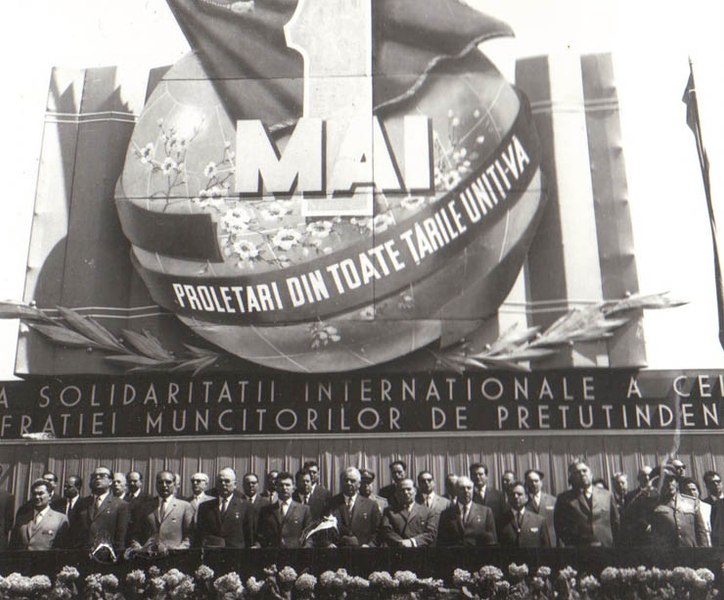
Adevărul reflects on the transformation of May 1st, International Workers' Day, from a solemn commemoration of labor rights into a widely celebrated day of leisure. While acknowledging the modern-day enjoyment of barbecues and time with family, the publication delves into the historical significance of the day. It highlights the struggles of 19th-century industrial workers, detailing their grueling 12-16 hour workdays, poor living conditions, and the widespread use of child labor. The article contrasts this harsh past with the present, noting how the original symbolism has faded for many. Adevărul's perspective is one of historical remembrance and a subtle critique of how contemporary celebrations overshadow the day's roots in the fight for workers' rights. This framing is particularly relevant in Romania, where the transition from a communist regime, which heavily emphasized labor and workers' rights (albeit in a state-controlled manner), to a market economy has reshaped the perception and observance of such holidays. The article implicitly encourages a deeper understanding of the historical context behind the modern festivities.
DistantNews Editorial
Originally published by Adevărul in Romanian. Translated, summarized, and contextualized by our editorial team with added local perspective. Read our editorial standards.
More Stories


From Our Blog

What Gets Lost (and Found) When News Is Translated

The Critical Role of Diaspora Media in Global News

What Travellers Should Know About Countries with Restricted Press

A Digital Nomad's Guide to Following Local News

How the Same Story Looks Different in Different Countries
