


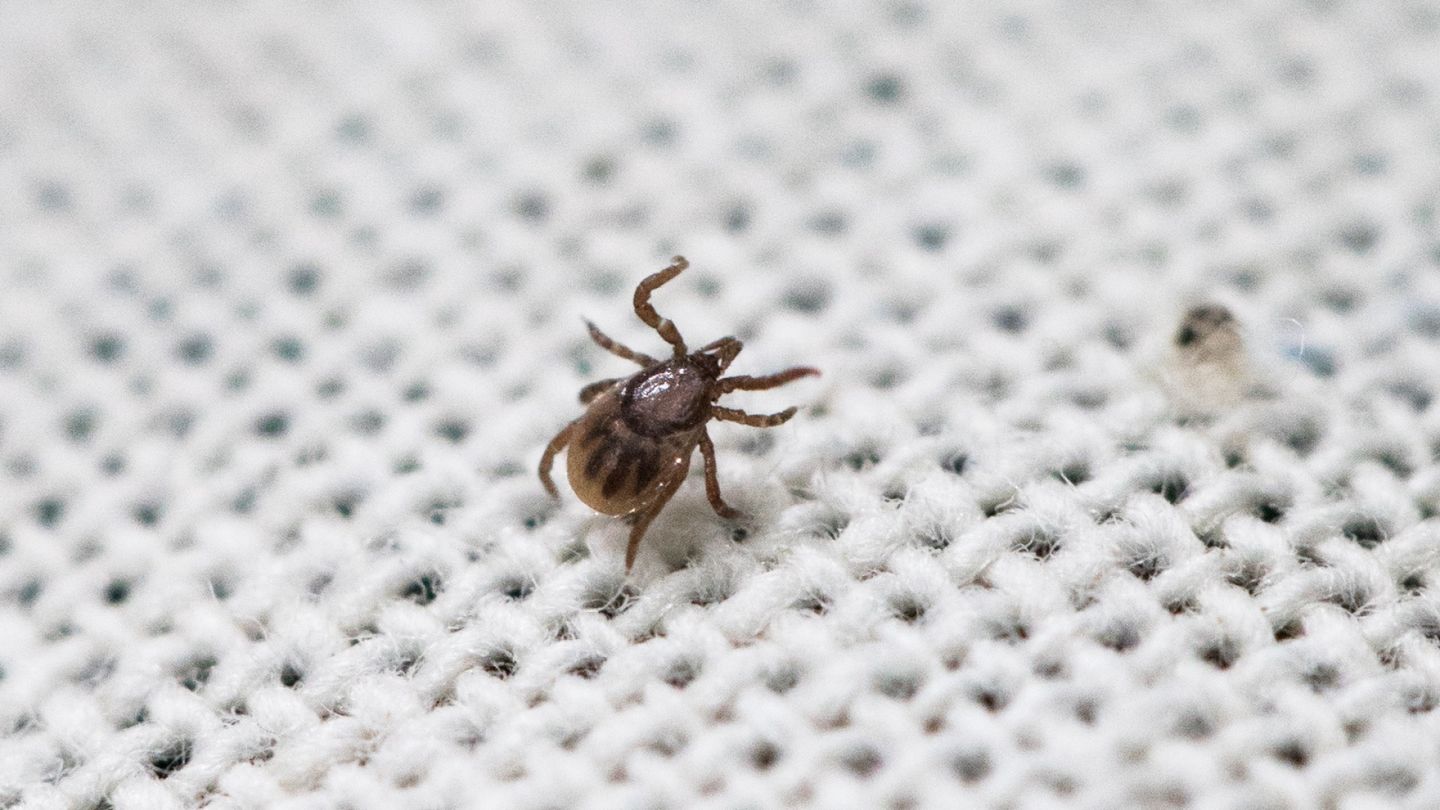
Tick-Borne Encephalitis: Mild Symptoms in Children Can Leave Lasting Scars on Brain
Translated from Finnish, summarized and contextualized by DistantNews.
TLDR
- Tick-borne encephalitis (TBE) cases in Finland have increased, with 232 reported in 2025 compared to 195 the previous year.
- While often considered milder in children, TBE can lead to long-term memory, concentration, and learning difficulties.
- Vaccination coverage for children remains low at 10-20%, despite the vaccine being available for one-year-olds.
Helsingin Sanomat reports on the growing concern surrounding tick-borne encephalitis (TBE) in Finland, particularly its potential long-term impact on children. While TBE has traditionally been viewed as a less severe illness in younger individuals compared to adults, new insights suggest this perception might be dangerously misleading.
If the disease appears milder, the risk also seems smaller.
Dr. Jukka Vakkila, a specialist in pediatric diseases and a consultant physician at Suomen Rokotepalvelu Oy, warns that mild, non-specific symptoms in children can easily go unnoticed. These symptoms, such as fatigue, irritability, clumsiness, or low-grade fever, might not immediately trigger suspicion of TBE. Consequently, cases can remain undiagnosed, leading to a failure to connect subsequent cognitive or behavioral issues with the initial infection. This diagnostic gap is particularly concerning because research indicates that TBE can leave lasting marks on children's memory, learning abilities, and executive functions, even when the acute phase appears mild.
The number of diagnosed TBE cases in Finland has steadily increased, with the National Institute for Health and Welfare (THL) reporting 232 cases in 2025, up from 195 the year before. This rise underscores the importance of preventative measures. However, vaccination coverage among children is alarmingly low, estimated at only 10-20%, despite the vaccine being available for children as young as one year old. Dr. Vakkila suggests that approximately 20-30% of all TBE cases might involve children and young people, given their higher exposure rates due to outdoor activities.
The idea can be misleading. According to him, a mild and vague acute phase does not mean that the disease cannot leave later traces in memory, learning, or schooling.
From a Finnish perspective, this issue highlights a critical public health challenge. The country's extensive forests and recreational outdoor activities mean a significant portion of the population is at risk of tick bites. The potential for long-term neurological and neuropsychiatric consequences in children, even from seemingly mild infections, necessitates a re-evaluation of TBE prevention strategies. The low vaccination rates suggest a need for greater public awareness campaigns emphasizing the risks to children and the benefits of early vaccination. Helsingin Sanomat's reporting serves as a crucial reminder that vigilance and proactive measures are essential to protect the long-term health and cognitive well-being of Finland's youngest citizens.
Cases may go unrecognized because the symptoms are often milder and more vague than in adults.
DistantNews Editorial
Originally published by Helsingin Sanomat in Finnish. Translated, summarized, and contextualized by our editorial team with added local perspective. Read our editorial standards.
More Stories


From Our Blog

What Gets Lost (and Found) When News Is Translated

The Critical Role of Diaspora Media in Global News

What Travellers Should Know About Countries with Restricted Press

A Digital Nomad's Guide to Following Local News

How the Same Story Looks Different in Different Countries
