


Time for a Permanent Fix to Waste Crisis
Translated from English, summarized and contextualized by DistantNews.
At a glance
News
Sources not specified
New plan
- Ghana's government is formalizing waste transfer stations and integrating tricycle waste collectors into the national sanitation system to address long-standing waste management challenges.
- The move aims to provide a more comprehensive and sustainable solution, moving beyond crisis management to long-term planning.
- Integrating tricycle collectors and ensuring proper infrastructure for transfer stations are key steps toward improving sanitation and public health.
Ghana's government is formalizing waste transfer stations and integrating tricycle waste collectors into the nation's sanitation system, a development welcomed as a more structured approach to waste management. For years, the country has grappled with weaknesses in planning, coordination, and enforcement, making a formalized system long overdue.
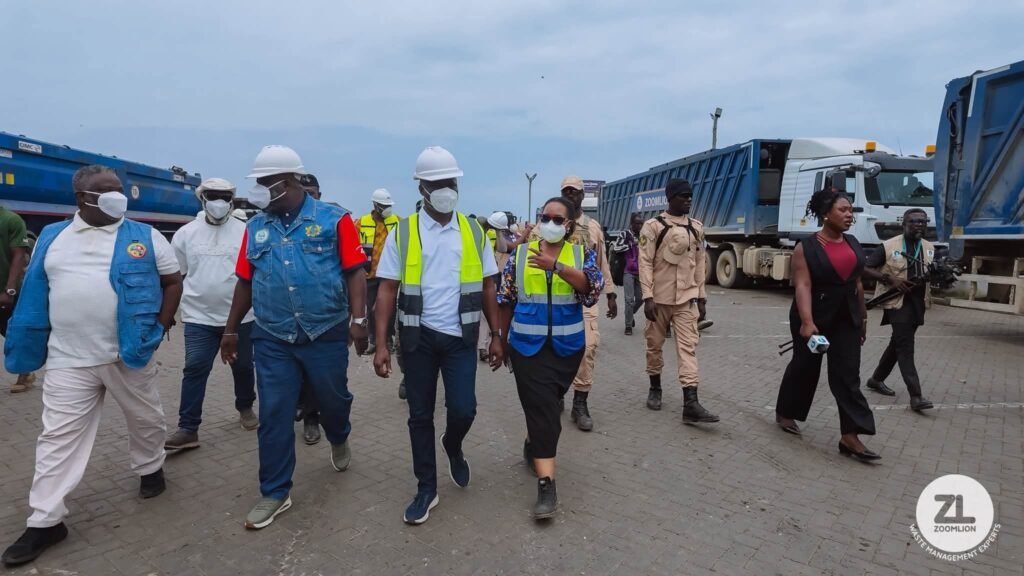
Mr. Ahmed Ibrahim, Minister of Local Government, Chieftaincy and Religious Affairs, announced the initiative, stating it would offer a more comprehensive and sustainable solution. This follows a working visit to the Zoomlion Integrated Recycling and Compost Plant (IRECOP) in Jamestown, which currently functions as a waste transfer station. The government's decision to reopen five waste transfer stations in the Greater Accra Region, Abokobi, Teshie, Achimota, Ashaiman, and Jamestown, helped manage the significant waste volumes generated after a recent National Sanitation Day exercise.
While these emergency measures are commendable, they highlight Ghana's persistent reliance on crisis management rather than proactive, long-term planning for sanitation. A nation that waits for waste to accumulate before acting risks perpetuating a cycle of reactive measures. Sanitation requires continuous national attention, not just seasonal campaigns.
The closure of the Malam transfer station due to an absent access road exemplifies this issue. Although involving the National Security and the Ghana Armed Forces' 48 Engineer Regiment to complete the road may expedite the process, it raises questions about why such basic infrastructure was not addressed earlier. The Minister's plan to integrate tricycle waste collectors into the formal system is a significant step. These operators provide essential services, especially in dense communities, but often work outside a regulated framework. Their inclusion promises improved sanitation delivery and better structure and protection for thousands of livelihoods.
The introduction of a 24-hour operation at the Jamestown transfer station is a practical intervention, particularly given its proximity to Korle Bu Teaching Hospital. However, such arrangements necessitate adequate planning, equipment, and monitoring for sustained effectiveness. The role of private sector partners, like the Jospong Group of Companies, is also crucial, complementing public sanitation efforts.
In light of Hezbollah's violations of the ceasefire agreement, the Israel Defense Forces are compelled to act. For your safety, you must evacuate your homes immediately and move north.
DistantNews Editorial
Originally published by Ghanaian Times in English. Translated, summarized, and contextualized by our editorial team with added local perspective. Read our editorial standards.
More Stories


From Our Blog

What Gets Lost (and Found) When News Is Translated

The Critical Role of Diaspora Media in Global News

What Travellers Should Know About Countries with Restricted Press

A Digital Nomad's Guide to Following Local News

How the Same Story Looks Different in Different Countries
