


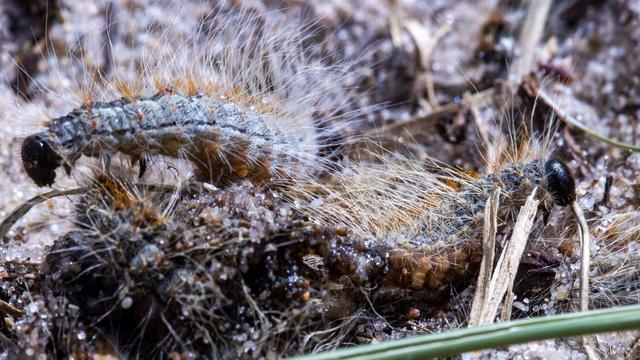
Toxic caterpillar hairs: Pine processionary caterpillars are also on the rise in Germany
Translated from German, summarized and contextualized by DistantNews.
At a glance
News
Official statement
Context piece
- Pine processionary caterpillars, similar to oak processionary caterpillars, are increasing in Brandenburg, Germany.
- These caterpillars' toxic hairs can cause allergic reactions, skin rashes, and respiratory problems in humans and pets.
- While less problematic than oak processionary caterpillars due to smaller nests and pine trees being less common in residential areas, caution is still advised in pine forests.
Brandenburg, Germany, is facing a growing concern over the pine processionary caterpillar, a relative of the more widely known oak processionary caterpillar. Environmental authorities report an increase in these pests compared to previous years, a trend attributed to dry, warm weather conditions that favor their proliferation.
Like their oak-dwelling counterparts, pine processionary caterpillars possess toxic hairs that can trigger significant health issues. Exposure can lead to allergic reactions, severe skin rashes, and respiratory distress in humans. Pets, particularly dogs, are also at risk as the hairs disperse on the ground, and sniffing can lead to inhalation and subsequent respiratory problems.
While the pine processionary caterpillar's nests are typically smaller and less conspicuous than those of the oak variety, and pine forests are often located further from residential areas, the Ministry of Environment advises continued vigilance. Hotspots have been identified in southern Brandenburg, including the Cottbus region and Fläming, as well as in the Ostprignitz-Ruppin district.
The pupation stage, where the caterpillar transforms into a moth, has begun in some regions. However, the toxic hairs remain on the trees and on the ground even after the nests are vacated. Health officials recommend thorough washing of affected skin areas with water and careful removal of hairs using adhesive tape. Clothing should be changed and washed at high temperatures, and cool compresses may offer relief.
DistantNews Editorial
Originally published by Die Zeit in German. Translated, summarized, and contextualized by our editorial team with added local perspective. Read our editorial standards.
More Stories



From Our Blog

What Gets Lost (and Found) When News Is Translated

How the Same Story Looks Different in Different Countries

The Critical Role of Diaspora Media in Global News

What Travellers Should Know About Countries with Restricted Press

A Digital Nomad's Guide to Following Local News
