

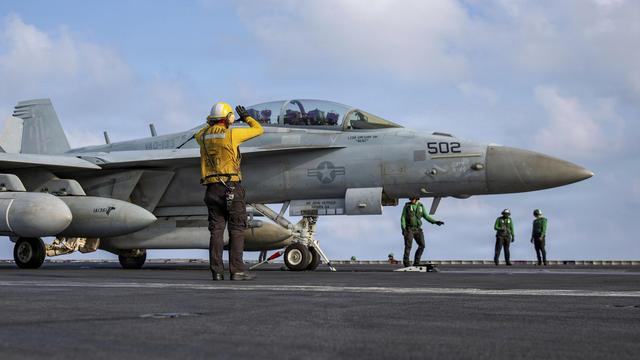

US Military: Strack-Zimmermann Emphasizes Importance of US Troops in Germany
Translated from German, summarized and contextualized by DistantNews.
TLDR
- FDP politician Marie-Agnes Strack-Zimmermann emphasizes the importance of US troops stationed in Germany for both the US and Europe.
- She noted that trust in the White House varies depending on the administration, referencing past presidents.
- The comments come as President Trump considers reducing US troop presence in Germany, a move that contrasts with a US law mandating a minimum troop level in Europe.
As a leading voice in European defense policy, FDP Member of the European Parliament Marie-Agnes Strack-Zimmermann has underscored the critical role of US military bases in Germany. She articulated that these installations serve as a vital 'hub' for the United States in Europe, benefiting both the host nation and the US itself. Strack-Zimmermann also offered a nuanced perspective on transatlantic trust, suggesting that confidence in the White House fluctuates with different administrations, drawing comparisons to the eras of Presidents Biden, Obama, and Clinton. This statement gains particular significance in light of President Trump's recent announcement to review potential troop reductions in Germany. Such a move, if enacted, would run counter to existing US legislation that mandates maintaining a substantial military presence in Europe. Germany, hosting a significant portion of the approximately 86,000 US soldiers stationed across Europe, relies on this presence not only for security but also as a cornerstone of the broader European security architecture. The Ramstein Air Base and the EUCOM headquarters in Stuttgart are prime examples of the strategic importance of these installations. The debate highlights the complex interplay between US foreign policy objectives, European security needs, and the domestic political considerations within the United States.
US troops are important for us, but also important for the United States (...) as a hub (...) especially in Germany.
DistantNews Editorial
Originally published by Die Zeit in German. Translated, summarized, and contextualized by our editorial team with added local perspective. Read our editorial standards.
More Stories
From Our Blog

What Gets Lost (and Found) When News Is Translated

How the Same Story Looks Different in Different Countries

The Critical Role of Diaspora Media in Global News

What Travellers Should Know About Countries with Restricted Press

A Digital Nomad's Guide to Following Local News
