

Trump Mulls Troop Withdrawal from Italy, Spain Amid NATO Dissatisfaction
Translated from Vietnamese, summarized and contextualized by DistantNews.
TLDR
- Donald Trump suggested the possibility of withdrawing U.S. troops from Italy and Spain, questioning their contributions to NATO.
- This statement follows similar remarks about potentially reducing forces in Germany, signaling a broader re-evaluation of U.S. military presence in Europe.
- Trump's comments reflect growing U.S. dissatisfaction with allies perceived as not adequately supporting American foreign policy objectives.
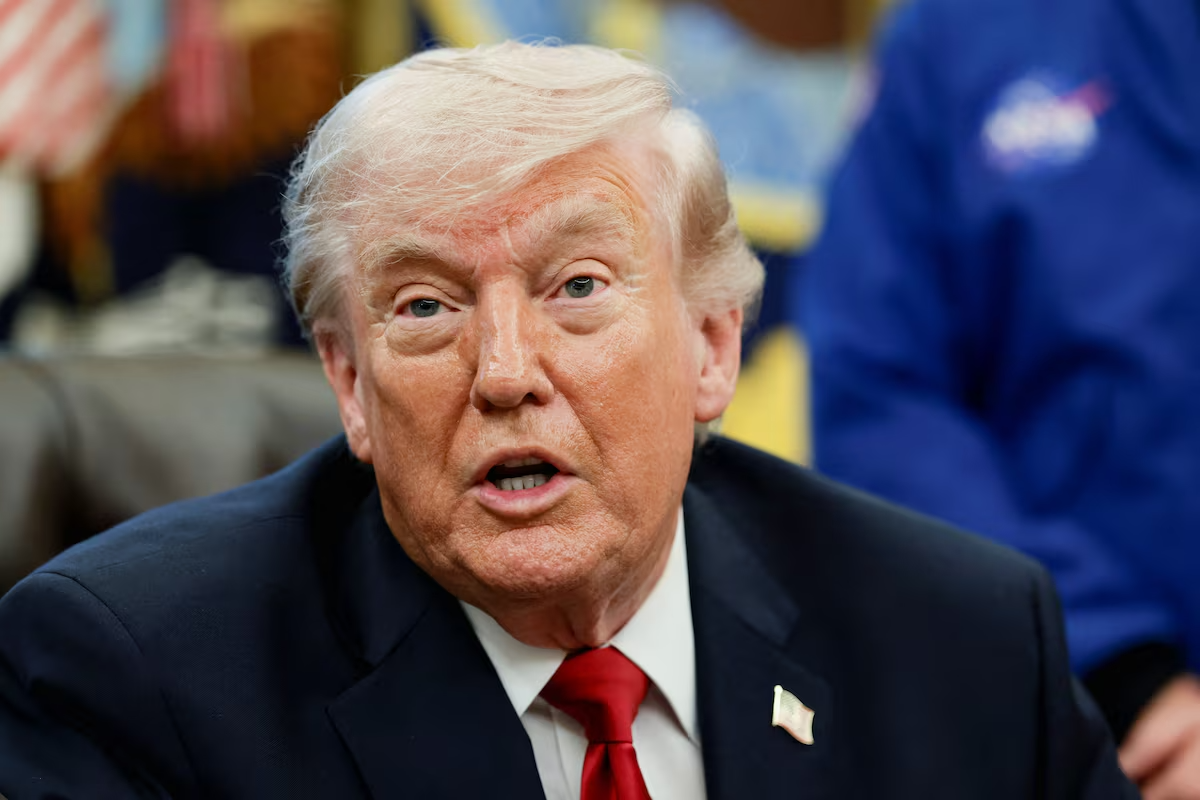
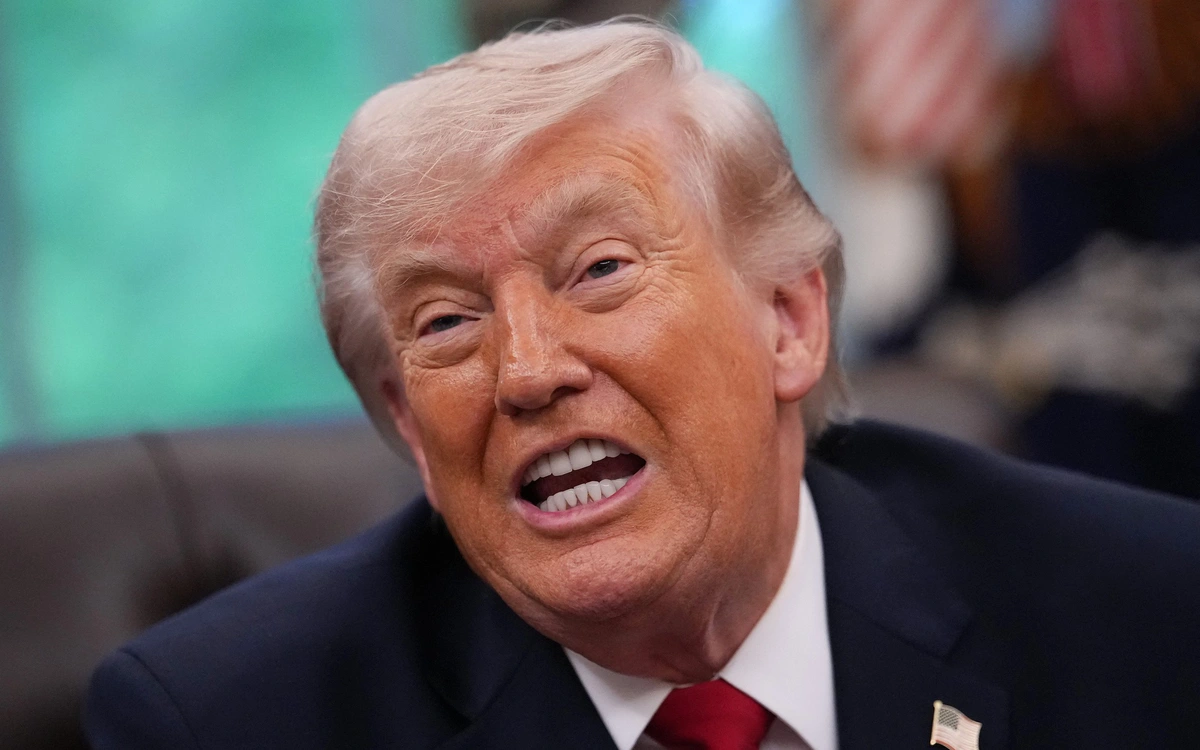
Former President Donald Trump has once again stirred the pot regarding America's commitment to its European allies, this time setting his sights on Italy and Spain. In remarks made at the White House, Trump openly mused about withdrawing U.S. troops from these Southern European nations, questioning their value and loyalty to the NATO alliance. "Italy doesn't help us much, and Spain is doing terribly, terribly bad," Trump stated, echoing sentiments he has previously expressed about other allies perceived as not pulling their weight.
This latest pronouncement comes hot on the heels of similar considerations voiced about U.S. forces stationed in Germany, where over 36,000 American soldiers are currently deployed. Trump's willingness to reconsider troop deployments in key NATO countries signals a potential shift in U.S. foreign policy, one that prioritizes perceived "fairness" in burden-sharing and alignment with American interests above traditional alliances. The underlying message to allies is clear: increased support for U.S. initiatives, particularly concerning Iran and global security, is expected, or face the potential consequences of reduced American military backing.
They don't really help us. Maybe I'll do that. Why wouldn't I? Italy doesn't help us much, and Spain is doing terribly, terribly bad.
The implications for NATO and European security are significant. Trump's rhetoric, while perhaps intended to pressure allies into greater defense spending and cooperation, risks undermining the very cohesion of the alliance. European nations, like Italy and Spain, often navigate complex geopolitical landscapes and may have differing strategic priorities. Their responses, such as Italy's Defense Minister Guido Crosetto expressing confusion over Trump's remarks and highlighting Italy's contributions to maritime security, underscore this divergence.
From a Vietnamese perspective, this development is viewed with a degree of detachment but also as a case study in international relations. While Vietnam maintains its own principles of non-alignment and self-reliance, observing the dynamics within powerful alliances like NATO provides valuable insights into global power plays. The emphasis Trump places on transactional relationships and quid pro quo contrasts sharply with the more traditional, treaty-based alliances. This approach, while potentially disruptive, also highlights the constant negotiation and re-evaluation that underpin international security.
Rome 'doesn't understand the reason' for Trump's statements, emphasizing that while Italy does not use the Strait of Hormuz, it has proposed participating in maritime security missions.
DistantNews Editorial
Originally published by Tuổi Trẻ in Vietnamese. Translated, summarized, and contextualized by our editorial team with added local perspective. Read our editorial standards.
More Stories
From Our Blog

What Gets Lost (and Found) When News Is Translated

The Critical Role of Diaspora Media in Global News

What Travellers Should Know About Countries with Restricted Press

A Digital Nomad's Guide to Following Local News

How the Same Story Looks Different in Different Countries
