

Trump's Obsession with Assassination Plots
Translated from Vietnamese, summarized and contextualized by DistantNews.
TLDR
- Former US President Donald Trump stated he was shocked but not afraid after a shooting incident at a White House press event.
- Trump suggested that he and other high-ranking officials could have been targets and blamed the Democratic Party's rhetoric for dangerous political discourse.
- Analysts suggest Trump's response, which included comparing himself to Abraham Lincoln, is a characteristic way for him to leverage crises for political gain, though public sympathy may be waning.
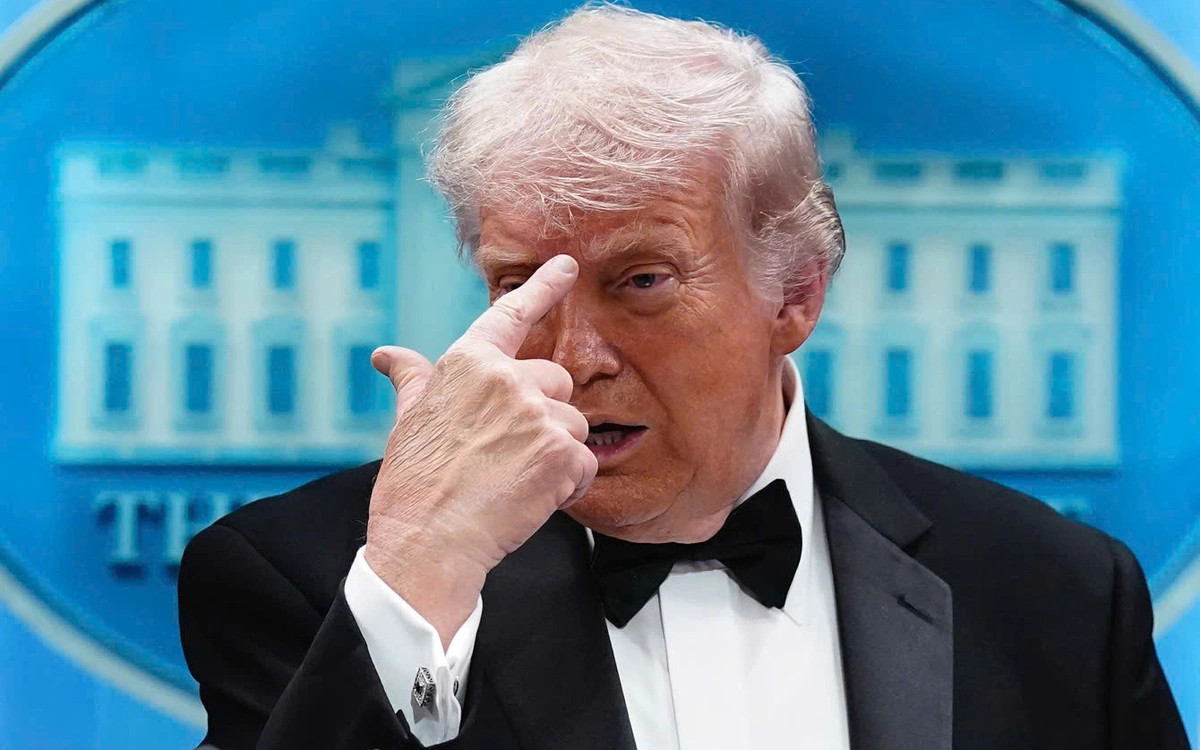
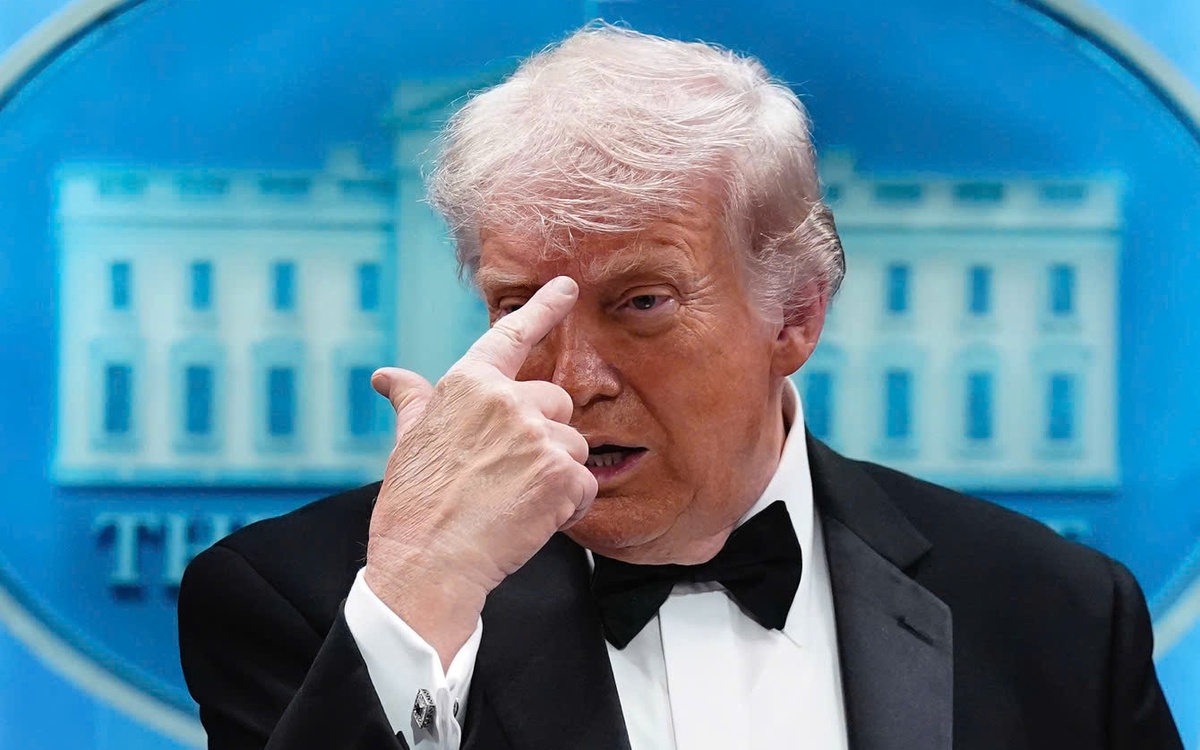
The recent shooting incident at a White House press event has once again thrust Donald Trump into the spotlight, with the former president framing the event through his characteristic lens of personal threat and political opportunity. While Trump himself claimed to be "shocked but not afraid," his immediate reaction was to leverage the situation, drawing parallels to historical assassinations and blaming political opponents for a climate of hate.
I was shocked but not afraid. I understand this life. We are living in a crazy world.
From our perspective, this incident underscores the volatile nature of American politics. Trump's ability to transform a crisis into a platform for rallying supporters and consolidating power is a well-documented strategy. However, the article notes a potential shift, with social media buzzing not only with condemnation but also with conspiracy theories, suggesting that the public's reaction might be more divided than in past instances where such events significantly boosted his popularity.
The narrative surrounding the event is complex, with Trump pointing fingers at the Democratic Party's rhetoric and dismissing any connection to international conflicts. This framing serves his political agenda, diverting attention from other issues and reinforcing his image as a target of a hostile political environment. The spread of AI-generated images and varied political commentary on platforms like X, Facebook, and TikTok highlights the fragmented and often polarized information landscape in which such events unfold.
I really think the hate speech of the Democratic Party is very dangerous. I really think it is very dangerous for the country.
What is particularly striking from our viewpoint is how Trump consistently uses such moments to reinforce his narrative of being under siege, a tactic that resonates with his base. Yet, the article hints that this narrative may be losing some of its previous potency, especially with his approval ratings below 40% and a crucial election cycle ahead. The security lapses that allowed the shooter access to the event also raise serious questions, but Trump's focus remains on the political implications and his personal resilience.
I have studied assassinations. The most influential people, they are the ones who are targeted.
DistantNews Editorial
Originally published by Tuổi Trẻ in Vietnamese. Translated, summarized, and contextualized by our editorial team with added local perspective. Read our editorial standards.
More Stories
From Our Blog

What Gets Lost (and Found) When News Is Translated

The Critical Role of Diaspora Media in Global News

What Travellers Should Know About Countries with Restricted Press

A Digital Nomad's Guide to Following Local News

How the Same Story Looks Different in Different Countries
