

Trump Welcomes UAE's OPEC Exit, Says Move Could Lower Global Fuel Prices
Translated from English, summarized and contextualized by DistantNews.
TLDR
- U.S. President Donald Trump welcomed the UAE's exit from OPEC and OPEC+, stating it could lower global fuel prices.
- The UAE, OPEC's third-largest producer, seeks greater production flexibility amid regional crises.
- Economists express concern that the move could lead to price volatility and broader economic instability.
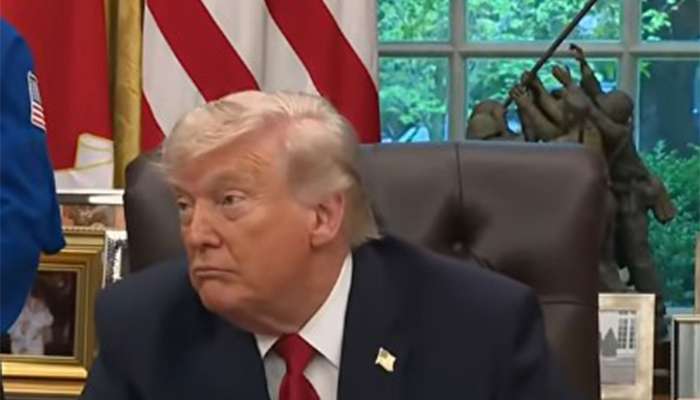
President Donald Trump has thrown his support behind the United Arab Emirates' bold decision to leave OPEC and its associated production group, OPEC+. In a statement that will undoubtedly resonate in global energy markets, Trump expressed optimism that this move could lead to a significant reduction in oil and gas prices worldwide. He lauded UAE President Sheikh Mohammed bin Zayed Al Nahyan as a "very smart" leader who is "probably maybe wants to go his own way," suggesting this independence could benefit consumers by driving down costs.
I think it's great. I know him very well, Mohammed. He is very smart. And he probably maybe wants to go his own way. That's a good thing for getting the price of gas down, getting oil down, getting everything down. They have it all. He's a great leader, actually. I'm okay. They're having some problems in OPEC
The UAE's departure marks a substantial shift in the global oil landscape. As OPEC's third-largest producer, the nation's move signals a desire for more autonomy in production decisions, particularly in light of ongoing crises and supply disruptions in the West Asia region. This aligns with the UAE's increasing push for production flexibility, a stance that may challenge the traditional coordinated supply management historically enforced by OPEC.
The near-term oil price effect is not straightforward and investors should resist simple directional conclusions
While the immediate impact on oil prices remains uncertain, with some analysts cautioning against simple conclusions, the potential for increased price volatility is a significant concern. Reports suggest that a weakened OPEC+ cohesion could erode the "cartel premium," leading to wider trading ranges for crude oil. Furthermore, economists like Jeffrey Sachs have voiced apprehension, warning that escalating geopolitical tensions coupled with rising crude prices could plunge the global economy into a severe crisis. Sachs has characterized the UAE's exit as a "strategic mistake" at a time when coordinated supply management is crucial for navigating the global transition away from fossil fuels.
The world economy will suffer a terrible crisis
DistantNews Editorial
Originally published by Times of Oman in English. Translated, summarized, and contextualized by our editorial team with added local perspective. Read our editorial standards.
More Stories

From Our Blog

What Gets Lost (and Found) When News Is Translated

The Critical Role of Diaspora Media in Global News

What Travellers Should Know About Countries with Restricted Press

A Digital Nomad's Guide to Following Local News

How the Same Story Looks Different in Different Countries
