


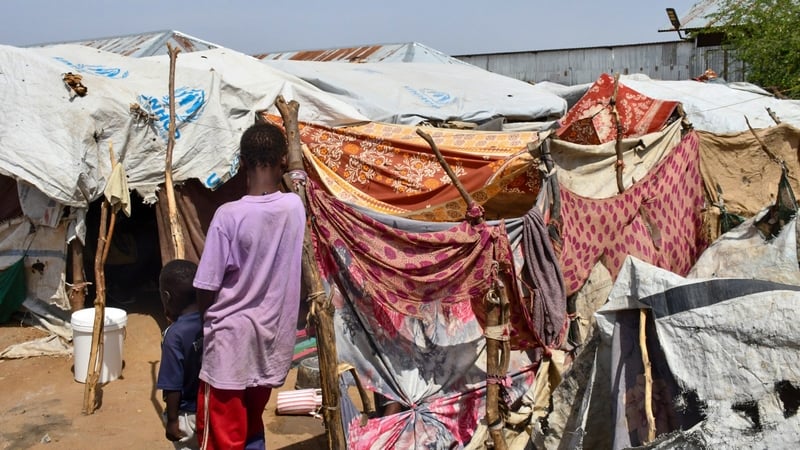
Two-Thirds of South Sudan Faces Acute Hunger Amid Resurging Conflict
Translated from English, summarized and contextualized by DistantNews.
TLDR
- Approximately 7.9 million people in South Sudan, nearly two-thirds of the population, are facing acute hunger, according to government and UN officials.
- The escalating crisis is exacerbated by a resurgence of fighting, particularly in Jonglei State, displacing hundreds of thousands and putting four counties at risk of famine.
- Despite significant oil revenues and foreign aid, the government is criticized for continuing conflict, failing to invest in public services, and obstructing humanitarian efforts.
South Sudan is once again facing a catastrophic humanitarian crisis, with alarming reports indicating that nearly two-thirds of its population—an estimated 7.9 million people—are grappling with acute hunger. This dire situation, detailed in a recent food security report compiled by the government, the United Nations, and NGOs, is unfolding against a backdrop of renewed and intense fighting, particularly in Jonglei State. The resurgence of conflict between government forces and Riek Machar's allied militias has displaced hundreds of thousands in a nation already burdened by extreme poverty and corruption.
An estimated 7.9 million people will face high levels of acute food insecurity... Additional resources are urgently required.
The scale of the crisis is staggering, with the UN warning that four counties in Jonglei and Upper Nile states are at imminent risk of famine. Projections indicate that 2.2 million children under the age of five are expected to suffer from acute malnutrition. This unfolding tragedy is particularly galling given South Sudan's substantial oil revenues and the billions of dollars in foreign assistance it has received. US embassy senior assistance coordinator Charles Vetter pointedly stated that the transitional government continues to wage conflict, displace its own people, and refuse to invest national resources in essential public services.
The transitional government continues to wage conflict throughout this country that is displacing people (and) continues to refuse to invest national resources in delivering public services.
Compounding the suffering, humanitarian organizations face significant obstacles. Mr. Vetter highlighted the "continued obstruction, interference, theft and denial of access" by government entities, which severely limits the effectiveness of aid efforts. UN acting Humanitarian and Resident Coordinator Noala Skinner described the findings as both a "warning and a roadmap," urgently calling on the government to prioritize investment in agriculture, livelihoods, and resilience. South Sudan's journey since independence in 2011 has been tragically marked by civil war, extreme poverty, and persistent insecurity, making the current hunger crisis a devastating reminder of the nation's ongoing struggles.
The continued obstruction, interference, theft and denial of access is limiting the effectiveness of anybody trying to help.
DistantNews Editorial
Originally published by RTÉ News in English. Translated, summarized, and contextualized by our editorial team with added local perspective. Read our editorial standards.
More Stories



From Our Blog

What Gets Lost (and Found) When News Is Translated

The Critical Role of Diaspora Media in Global News

What Travellers Should Know About Countries with Restricted Press

A Digital Nomad's Guide to Following Local News

How the Same Story Looks Different in Different Countries
