


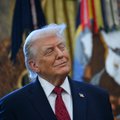
UAE's Exit from OPEC Seen as Victory for Trump
Translated from Lithuanian, summarized and contextualized by DistantNews.
TLDR
- The UAE announced its withdrawal from OPEC and OPEC+ effective May 1.
- The move was described as a strategic decision reflecting the UAE's long-term vision and evolving energy profile.
- This decision comes after the UAE criticized other Arab nations for insufficient protection against Iranian attacks.
The United Arab Emirates' decision to exit OPEC and OPEC+ marks a significant strategic shift, signaling a new direction for one of the world's key oil producers. As reported by Delfi, this move, effective May 1, is framed by the UAE as a reflection of its "long-term strategic and economic vision and changing energy profile."
This departure from the oil cartel is particularly noteworthy given the UAE's role as a major player in the global energy market. The official WAM news agency's announcement suggests a desire for greater autonomy in managing its energy resources and pursuing its own economic objectives, independent of OPEC's consensus.
Furthermore, the timing of this announcement, following the UAE's public criticism of other Arab nations for not adequately defending them against Iranian attacks, adds a layer of geopolitical complexity. While the UAE frames its exit as a strategic economic decision, the context suggests underlying tensions and a re-evaluation of regional alliances and security arrangements. This move could be interpreted as a bold assertion of national interest, potentially influencing regional dynamics and the future of OPEC itself.
Šis sprendimas atspindi JAE ilgalaikę strateginę ir ekonominę viziją ir kintantį energijos profilį
DistantNews Editorial
Originally published by Delfi in Lithuanian. Translated, summarized, and contextualized by our editorial team with added local perspective. Read our editorial standards.
More Stories


From Our Blog

What Gets Lost (and Found) When News Is Translated

The Critical Role of Diaspora Media in Global News

What Travellers Should Know About Countries with Restricted Press

A Digital Nomad's Guide to Following Local News

How the Same Story Looks Different in Different Countries
