



Ukraine halts Black Sea tanker attacks after US request: FT
Translated from Latvian, summarized and contextualized by DistantNews.
At a glance
News
Named sources
Context piece
- Ukraine has reportedly halted attacks on oil tankers in the Black Sea following a request from the U.S.
- The request, made during a July 31 phone call between U.S. envoy Amos Hochstein and Ukrainian President Volodymyr Zelenskyy, aimed to prevent market destabilization and harm to U.S. companies.
- Ukraine agreed to avoid striking Caspian Pipeline Consortium infrastructure or non-Russian vessels, provided they are not carrying Russian oil or sanctioned goods.
Ukraine has reportedly ceased targeting oil tankers in the Black Sea after a direct appeal from the United States, according to media sources. The request was conveyed during a phone conversation on July 31 between U.S. envoy Amos Hochstein and Ukrainian President Volodymyr Zelenskyy.
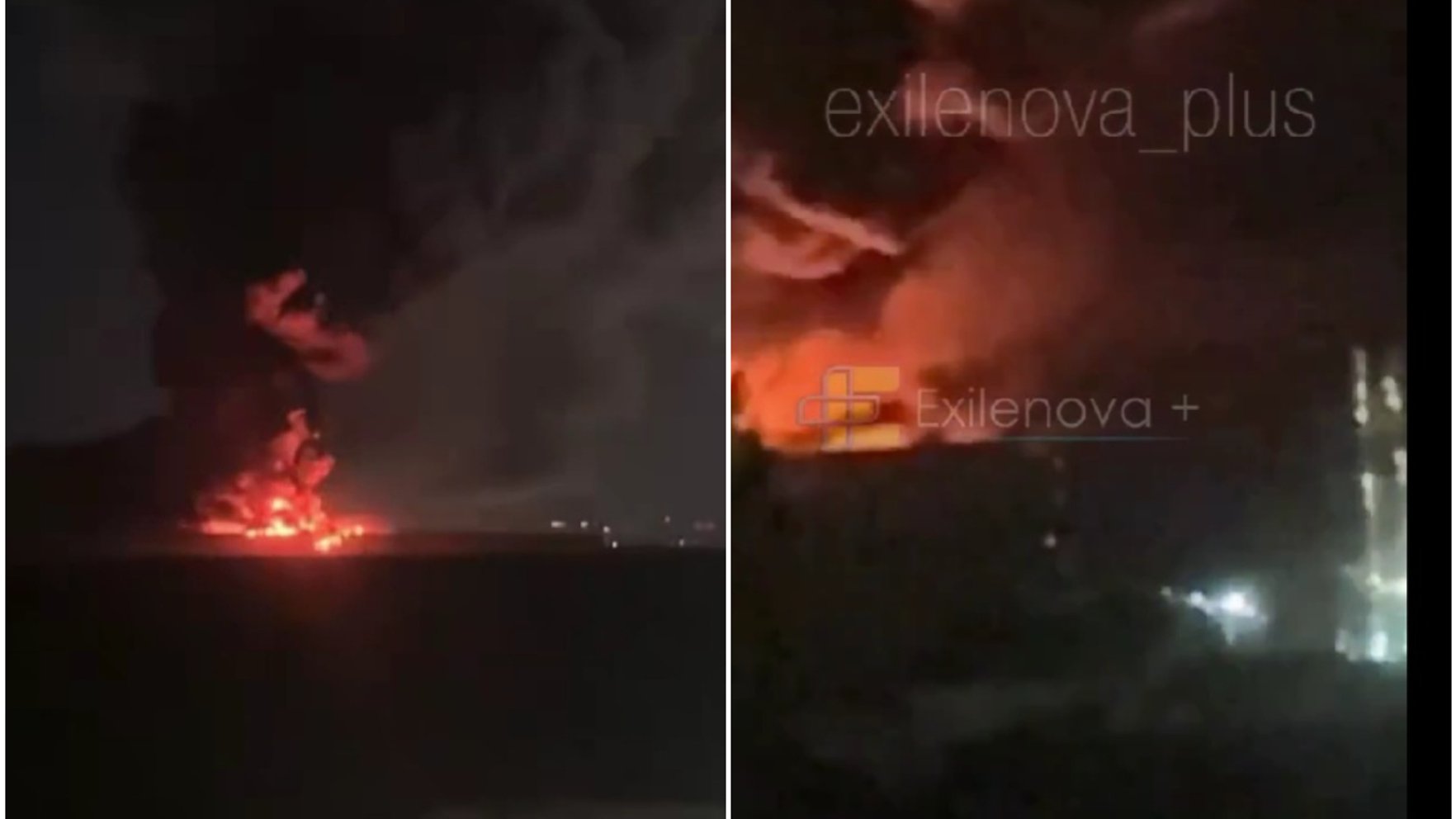
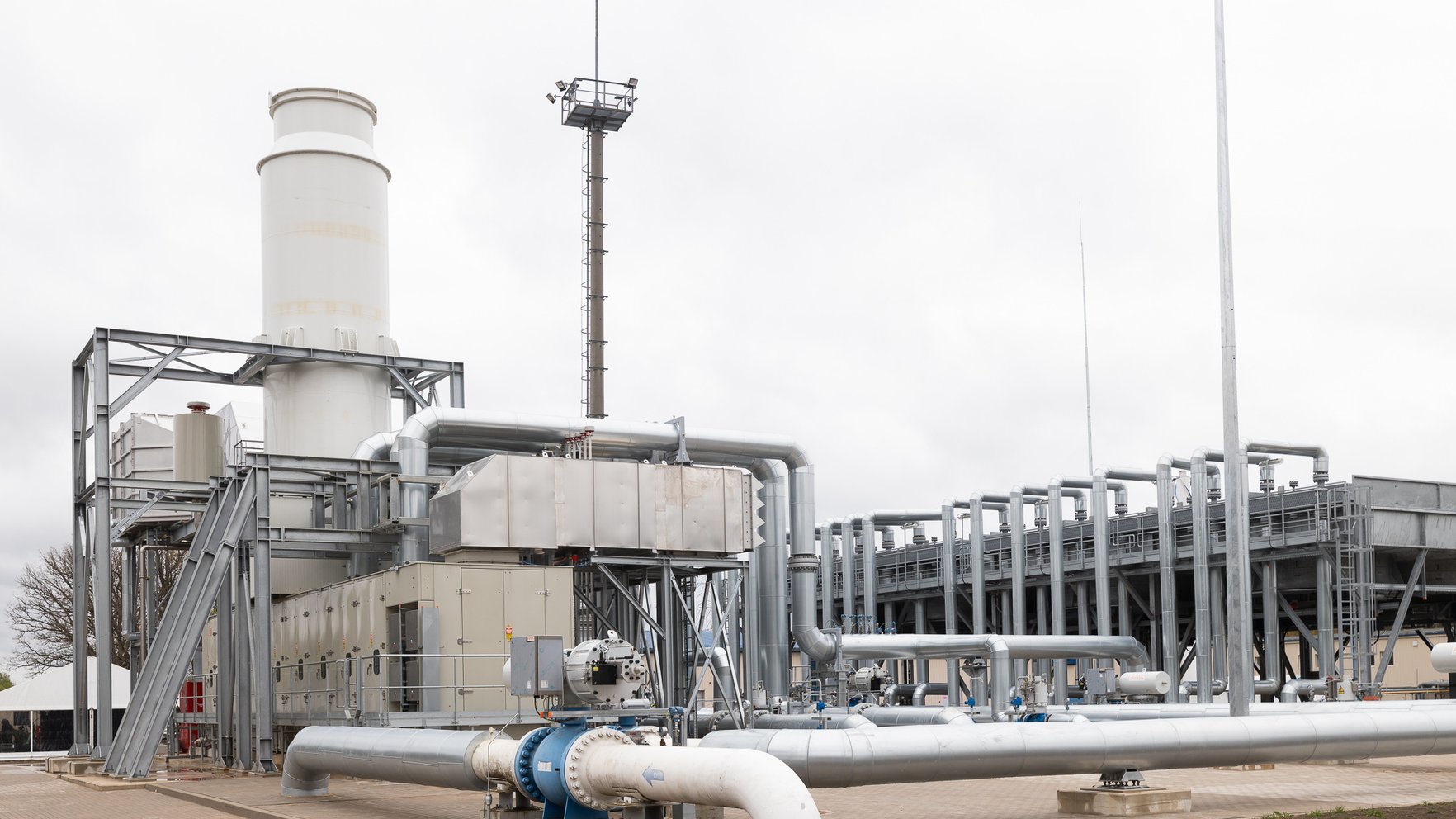
The U.S. expressed concern that Ukraine's continued attacks on tankers were destabilizing oil markets and potentially harming American businesses. Specifically, Washington was worried about strikes near the Caspian Pipeline Consortium's terminal, which handles oil transported via pipelines from Kazakhstan to Russia's Novorossiysk port.
In response to the U.S. appeal, Ukraine has agreed not to target the Caspian Pipeline Consortium's infrastructure or vessels not owned by Russia, unless those ships are subject to Ukrainian sanctions or are transporting Russian oil or other Russian cargo. "We listen very carefully to our American partners," one source familiar with the discussions told the publication, adding that Kyiv has established relevant "mechanisms" in response to the U.S. request.
Sources suggest that Kyiv's compliance was partly motivated by its desire to secure a license from the Trump administration to produce Patriot missiles and to acquire several hundred of these missiles before winter. A U.S. official confirmed that Washington had warned Ukraine against attacking non-Russian vessels and Caspian Pipeline Consortium infrastructure in the Black Sea. The U.S. views the consortium as a vital channel for supplying energy resources from Kazakhstan to European markets, offering an alternative to Russian energy.
We listen very carefully to our American partners.
DistantNews Editorial
Originally published by Delfi Latvia in Latvian. Translated, summarized, and contextualized by our editorial team with added local perspective. Read our editorial standards.
More Stories

From Our Blog

What Gets Lost (and Found) When News Is Translated

The Critical Role of Diaspora Media in Global News

What Travellers Should Know About Countries with Restricted Press

A Digital Nomad's Guide to Following Local News

How the Same Story Looks Different in Different Countries
