

Ukrainian state terrorism – Does Berlin's silence favor Kyiv?
Translated from Hungarian, summarized and contextualized by DistantNews.
TLDR
- The German government's stance on the Russia-Ukraine war is seen by some as prioritizing the containment of Russian influence, leading to strong support for Ukraine.
- Critics argue this approach leads Berlin to overlook controversial issues related to Ukraine's actions or internal affairs.
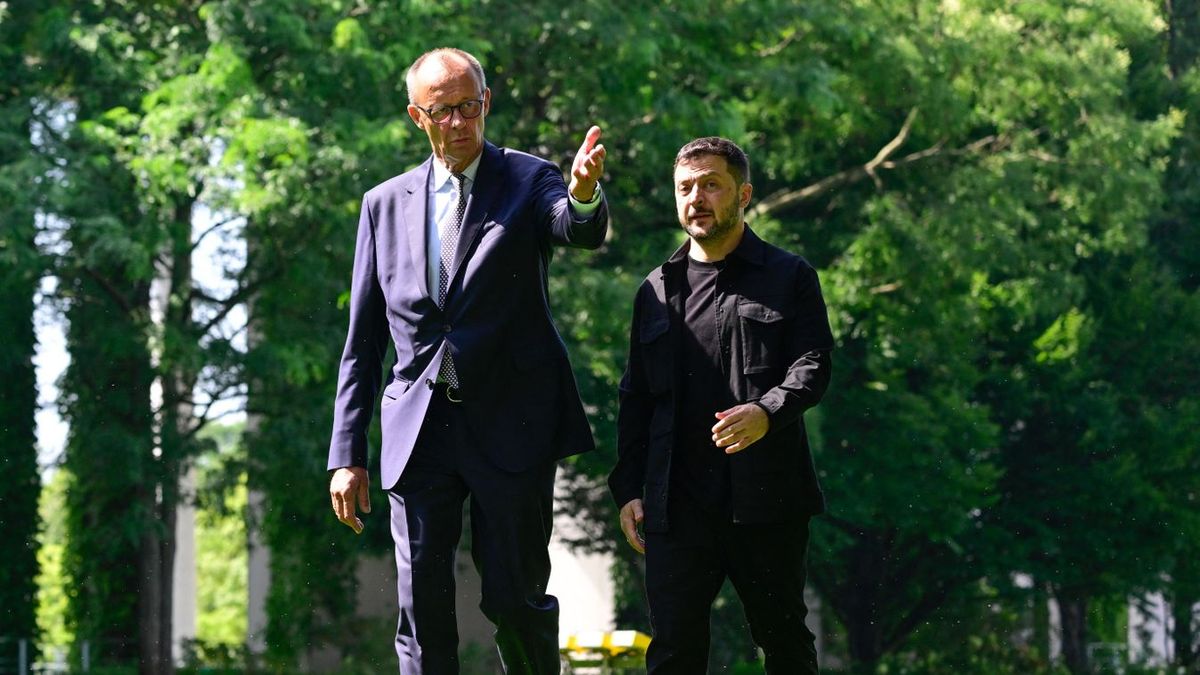
- Chancellor Friedrich Merz's foreign policy is described as inconsistent, with frequent shifts in position on various international matters.
Berlin's approach to the ongoing conflict in Ukraine continues to be a subject of intense debate, with many interpreting the German government's current position as a strategic imperative to curb Russian influence. This perspective suggests that unwavering support for Kyiv is paramount, even when faced with difficult or contentious issues.
However, this line of reasoning is not without its detractors. Critics contend that while supporting Ukraine is a vital objective, it should not come at the expense of addressing or acknowledging problematic aspects that may arise. They argue that a more balanced approach is necessary, one that allows for critical examination alongside continued assistance.
Adding another layer to the discussion is the perceived inconsistency in Chancellor Friedrich Merz's foreign policy. Observers frequently point to a pattern of shifting stances on a range of international issues, from relations with Iran and the United States to dealings with Israel. This perceived lack of a fixed direction raises questions about the predictability and coherence of Germany's broader foreign policy.
From the perspective of Magyar Nemzet, this situation presents a complex foreign policy challenge for Germany. The emphasis on countering Russia appears to dictate a cautious approach, potentially leading to a reluctance to engage with or publicly criticize certain actions or policies of the Ukrainian government. This, coupled with the observed fluidity in the Chancellor's foreign policy, creates an environment where Germany's role and influence on the international stage are subject to ongoing scrutiny and interpretation.
DistantNews Editorial
Originally published by Magyar Nemzet in Hungarian. Translated, summarized, and contextualized by our editorial team with added local perspective. Read our editorial standards.
More Stories


From Our Blog

Countries Without a Free Press: What You Need to Know

What Press Freedom Means for the News You Read

What Gets Lost (and Found) When News Is Translated

The Critical Role of Diaspora Media in Global News

What Travellers Should Know About Countries with Restricted Press
