

UN Sounds Alarm Over 'Humanitarian Crisis' as 20,000 Seafarers Stranded in Arabian Gulf Stalemate
Translated from English, summarized and contextualized by DistantNews.
TLDR
- Approximately 20,000 seafarers are stranded in the Arabian Gulf due to a naval blockade and escalating military threats, leading to a humanitarian crisis.
- The closure of the Strait of Hormuz has marooned maritime workers, who face commercial pressure from shipowners and security threats from drones and sea mines.
- Limited legal protections and logistical hurdles, including visa restrictions, make it difficult for seafarers to leave their vessels or for ships to evacuate the area.
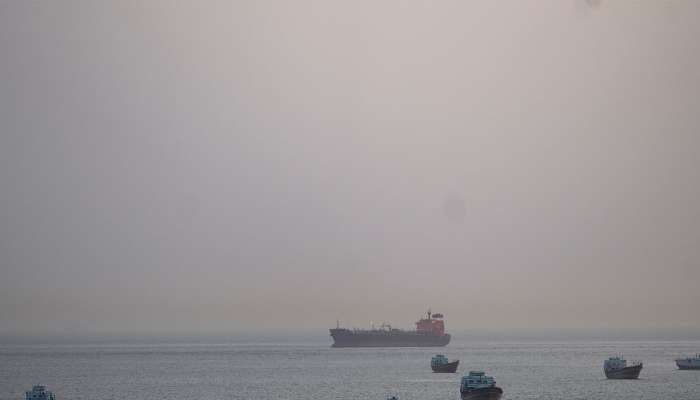
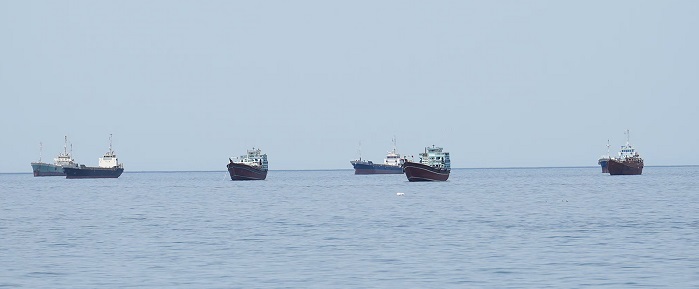
A dire humanitarian crisis is unfolding in the Arabian Gulf, with an estimated 20,000 seafarers trapped aboard vessels for nearly eight weeks. The United Nations has declared the situation "unprecedented," as the effective closure of the Strait of Hormuz, a critical global shipping lane, has left these maritime workers in a perilous geopolitical stalemate. These individuals, many from developing nations, are caught between aggressive commercial demands from shipowners and the lethal reality of escalating security threats, including drones and sea mines.
It is an unprecedented situation. We have around 20,000 seafarers in the Gulf for now close to eight weeks. It is a humanitarian crisis. We have never faced such a situation.
The paralysis in the region is profound. Iranian ports are deemed war-zone risks, while visa restrictions and logistical challenges along the southern shores of the Gulf impede the departure of crews. This standoff, involving Iran's attempts to impose navigation rules and a U.S. naval blockade targeting ships near Iranian ports, has brought traffic through the strait to a near standstill. The International Maritime Organization (IMO) highlights that "around 800 to 1,000 vessels would like to sail through the Strait of Hormuz to evacuate the area," but are unable to do so.
around 800 to 1,000 vessels would like to sail through the Strait of Hormuz to evacuate the area
The plight of crews, such as the all-Indian team aboard the sanctioned oil tanker Auroura, exemplifies the worsening conditions. Reports indicate shortages of basic supplies like food and fresh water, with crew members desperate to return home. Beyond logistical delays, the International Transport Workers' Federation (ITF) warns of "abandonment" rather than "repatriation," with some seafarers unpaid for up to a year. Compounding their distress, seafarers face intimidation from desperate shipowners, with some being verbally threatened and even falsely accused of hijacking their own vessels. This crisis underscores the vulnerability of seafarers in global trade and the urgent need for international intervention to ensure their safety and well-being.
crew is facing shortages of basic supplies
DistantNews Editorial
Originally published by Times of Oman in English. Translated, summarized, and contextualized by our editorial team with added local perspective. Read our editorial standards.
More Stories


From Our Blog

What Gets Lost (and Found) When News Is Translated

The Critical Role of Diaspora Media in Global News

What Travellers Should Know About Countries with Restricted Press

A Digital Nomad's Guide to Following Local News

How the Same Story Looks Different in Different Countries
