


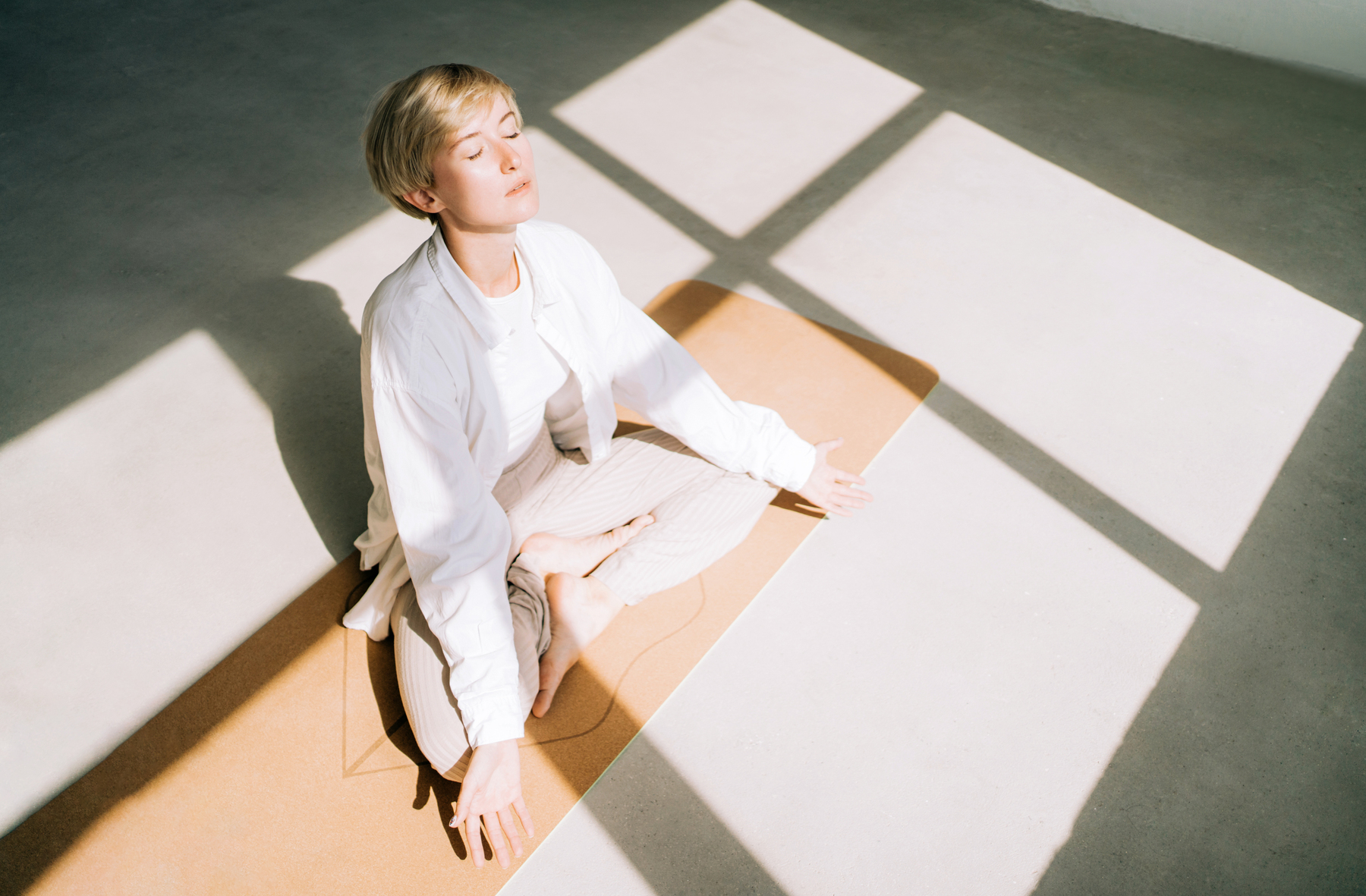
Under Pressure: How to Calm the Nervous System?
Translated from German, summarized and contextualized by DistantNews.
TLDR
- Online trends promote exercises like ear-pressing and head-tilting to activate the vagus nerve for relaxation.
- Medical professionals caution against aggressive self-massage, especially in the neck, due to sensitive structures.
- Proven methods for vagus nerve stimulation include deep abdominal breathing and prolonged exhalation, which can help manage chronic stress.
The internet is abuzz with purported quick fixes for stress, with many viral trends focusing on stimulating the vagus nerve through simple exercises. While the intention to find relief from modern life's constant pressures is understandable, "Die Presse" urges a dose of caution and a reliance on evidence-based practices.
Von starkem Druck im Halsbereich würde ich abraten – hier verlaufen empfindliche Strukturen wie die Halsschlagader
As an Austrian publication, we see a growing public interest in holistic health and stress management. However, the proliferation of unverified wellness advice, particularly on social media, necessitates a critical approach. Our medical experts, like anesthesiologist Elisabeth Gaudernak, emphasize the importance of consulting trained professionals and understanding the body's delicate systems, such as the neck's sensitive blood vessels, before attempting potentially harmful self-treatment.
The vagus nerve, a crucial component of our parasympathetic nervous system, plays a vital role in regulating our body's 'rest and digest' functions. In our fast-paced, 'säbelzahntiger-modus' (saber-toothed tiger mode) existence, this system is often overwhelmed. "Die Presse" highlights that while the internet offers a plethora of suggestions, scientifically supported methods like mindful breathing exercises remain the most reliable way to rebalance the nervous system.
Das Problem ist aber, dass wir in unserem Alltag sehr viel im Säbelzahntiger-Modus leben. Wir sind durchgetaktet, die Ruhephasen fehlen, und manche bleiben dann im Stressmodus stecken und können gar nicht mehr Ruhe finden.
Heart rate variability (HRV) monitoring is presented as a tangible way to visualize the impact of stress and the effectiveness of relaxation techniques. For many, seeing the data provides the necessary validation that chronic stress is a real physiological issue, not merely a psychological weakness. This aligns with a broader European trend towards integrating objective health metrics into personal wellness strategies.
Viele brauchen es auch schwarz auf weiß, um zu sehen, dass sie Stress haben.
DistantNews Editorial
Originally published by Die Presse in German. Translated, summarized, and contextualized by our editorial team with added local perspective. Read our editorial standards.
More Stories


From Our Blog

What Gets Lost (and Found) When News Is Translated

The Critical Role of Diaspora Media in Global News

What Travellers Should Know About Countries with Restricted Press

A Digital Nomad's Guide to Following Local News

How the Same Story Looks Different in Different Countries
