

UPM students support neglected children through health awareness program
Translated from Malay, summarized and contextualized by DistantNews.
At a glance
News
Named sources
Context piece
- University Putra Malaysia (UPM) students organized a community service program called 'Jiwa Putra@KTMB: Sang Sihat' for children at the BRDB Rotary Children’s Residence.
- The program aimed to raise awareness about physical and mental health among neglected children and foster volunteerism among students.
- Various activities, including health talks, motivational sessions, and psychological support, were conducted to benefit the children and provide students with practical experience.
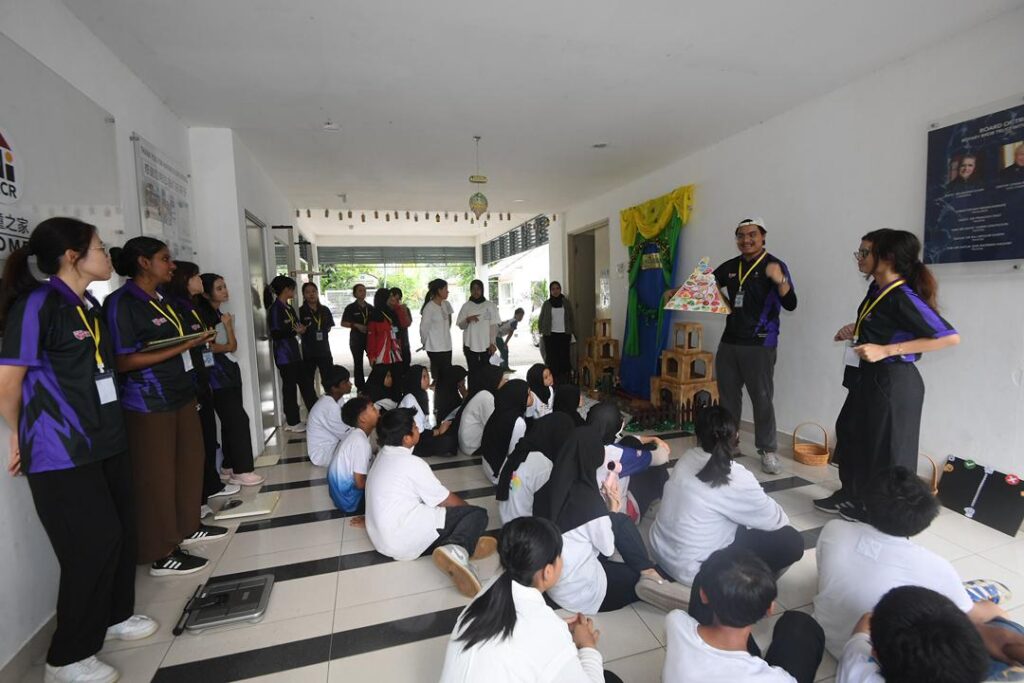
Students from Universiti Putra Malaysia (UPM) have organized a community service initiative, 'Jiwa Putra@KTMB: Sang Sihat,' aimed at supporting children residing at the BRDB Rotary Children’s Residence. The program successfully engaged 70 children, focusing on enhancing their awareness of physical and mental health while simultaneously cultivating a spirit of volunteerism, empathy, and social responsibility among the UPM students involved.
The initiative was a collaborative effort, involving the Student Representative Council (MPP) for the 2025/2026 session, Hospital Sultan Abdul Aziz Shah, the UPM Health Center, the Department of Dietetics at the Faculty of Medicine and Health Sciences (FPSK), and the BRDB Rotary Children’s Residence itself. This multi-stakeholder approach underscored the importance of community partnerships in child development and welfare.
This program demonstrates that collaboration between universities, organizations, and the community can have a meaningful impact on the development and well-being of children. They deserve equal opportunities to build a better future.
Datuk Chan Kam Fatt, Executive Chairman of BRDB Rotary Children’s Residence, emphasized the program's significance in ensuring that children continue to receive positive attention, support, and developmental opportunities from society. He stated, "This program demonstrates that collaboration between universities, organizations, and the community can have a meaningful impact on the development and well-being of children. They deserve equal opportunities to build a better future."
This program offers students the opportunity to engage directly and apply their knowledge and skills within the community. At the same time, it educates students to be more caring, empathetic, and appreciative of the importance of community well-being.
Program Director Pek Yoke Lan highlighted that the event provided a valuable platform for UPM students to gain a deeper understanding of humanitarian values and the importance of community service. "This program offers students the opportunity to engage directly and apply their knowledge and skills within the community. At the same time, it educates students to be more caring, empathetic, and appreciative of the importance of community well-being," she said. The program featured a range of activities, including health and nutrition sharing sessions, motivational talks, psychological support, and interactive games designed for the children.
Rafidah Sadarudin, Head of the Social and Community Services Department at HSAAS UPM, stressed the critical role of community support in fostering children's emotional and social development. She noted, "Children need continuous support from the community to help them build self-confidence and lead more positive lives. Programs like this also raise awareness about the importance of mental and physical health within the community." Twenty KTMB UPM students served on the organizing committee, reflecting UPM's commitment to producing holistic graduates who actively contribute to society.
Children need continuous support from the community to help them build self-confidence and lead more positive lives. Programs like this also raise awareness about the importance of mental and physical health within the community.
DistantNews Editorial
Originally published by Utusan Malaysia in Malay. Translated, summarized, and contextualized by our editorial team with added local perspective. Read our editorial standards.
More Stories



From Our Blog

What Gets Lost (and Found) When News Is Translated

The Critical Role of Diaspora Media in Global News

What Travellers Should Know About Countries with Restricted Press

A Digital Nomad's Guide to Following Local News

How the Same Story Looks Different in Different Countries
